
Argentina, the history of the Pumas
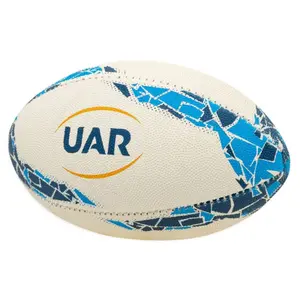
Our Argentina page is dedicated to the Pumas, the national rugby team: the origin of their nickname, the sky blue and white striped jersey featuring a jaguar, their third place finish in the 2007 World Cup, the semi-finals in 2015 and 2023, their entry into the Rugby Championship, and the key figures who have shaped Argentine rugby.
The garra of the Pumas.
From the jaguar to the puma: a misunderstanding turned legend
The nickname Pumas dates back to a tour in southern Africa in 1965: a local journalist, seeing the feline on the crest, recognises a puma when it is actually a jaguar, the yaguareté. The name caught on and has stuck with the national team, which has existed since 1910. Argentine rugby was organised as early as 1899 with the founding of the national union, currently known as the Unión Argentina de Rugby, around the clubs in Buenos Aires. The sky blue and white horizontal striped jersey reflects the colours of the national flag and is now one of the most recognisable kits in global rugby.
Other nations
Rugby from the rest of the world is also represented:
All nations are gathered on the rest of the world page.
2007, the year of bronze world
The 2007 World Cup saw Argentina join the elite: having defeated the host nation right from the opening match at the Stade de France, the Pumas finished top of their group, reached the semi-finals, and secured third place, their best world result. They reached the last four again in 2015 and 2023. This journey opened the doors to the Rugby Championship in 2012, the major annual competition in the Southern Hemisphere, and the Argentine franchise Jaguares, which competed in Super Rugby from 2016 to 2020, reached the final of the 2019 edition.
Hugo Porta, Pichot and the great figures
Hugo Porta, a brilliant fly-half from the 1970s and 1980s, is regarded as one of the greatest players in rugby history. Agustín Pichot, scrum-half and captain in the 2007 epic, later became a prominent rugby administrator world. Felipe Contepomi, an elegant fly-half and centre, later took charge of the Pumas as coach, and Juan Martín Hernández, nicknamed El Mago for his touch, marked a whole generation. Up front, the Argentine scrum, a legacy of the famous bajada, a coordinated push from the eight forwards, remains a point of pride for the country.
Good deals
Good deals can also be found in the good plans, promotions, discounts, sales, Black Friday. The new arrivals showcase the latest collections, and items shipped in 24h are prepared and sent within 24 hours. The highlights of the year follow a stable order: Black Friday at the end of autumn, the year-end holidays, the winter sales, the French Days in spring, then the summer sales and back-to-school season.
Frequently asked questions
What does the garra of the Pumas mean?
The word garra, meaning claw in Spanish, refers to the will to win and total commitment that is attributed to Argentine players. It is particularly expressed in scrums and defence, in tightly contested endings up to the final action.
Who are the Pumitas?
The Pumitas are the Argentine team for under-twenties, the stepping stone to the Pumas. It competes in the world championship for the category and helps identify future internationals, often from amateur clubs.
What is the place of rugby in Argentina?
Football dominates, but rugby has been firmly established since the late nineteenth century, around Buenos Aires, Rosario, Córdoba, and Tucumán. The clubs, long strictly amateur, remain the heart of the Pumas' development.
Where do the Pumas play when they host in Argentina?
The Pumas do not have a designated stadium: they host in Buenos Aires, but also in Mendoza, Córdoba, Salta, or Santiago del Estero, to engage with regions where rugby is popular and fill large venues.
Since when have the Pumas been professional?
For a long time, Argentine rugby remained amateur and its best players moved to Europe. The entry into the Rugby Championship in 2012, followed by the creation of the Jaguares, allowed a large portion of the internationals to be contracted with the federation.






