
Squash and indoor shoes


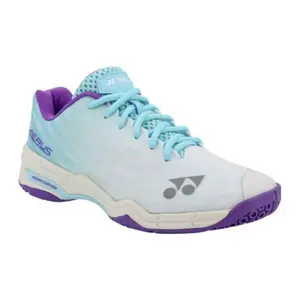


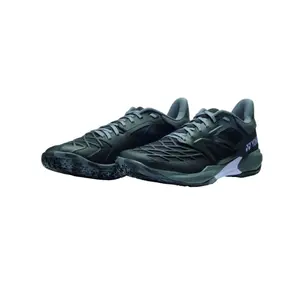
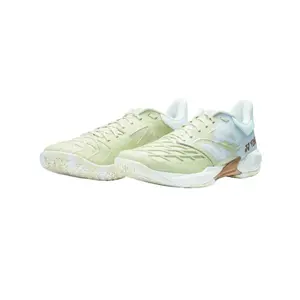
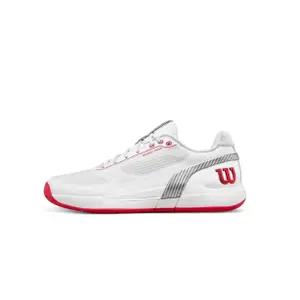
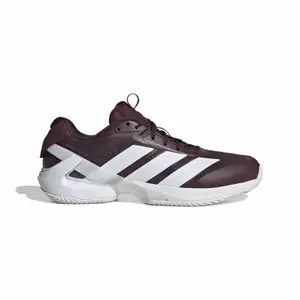


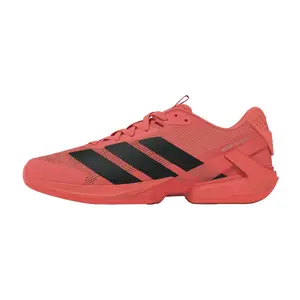
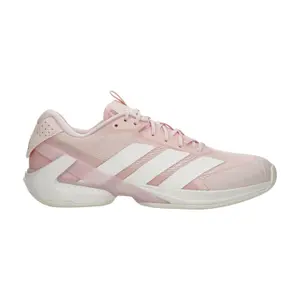

The Squash Shoes page brings together indoor shoes that meet the demands of the court: non-marking rubber that won't damage the floor or walls, a low and grippy sole, firm lateral support for lunges to the corners, and a reinforced toe that withstands the scraping of the back foot. Suitable for both club players and competitors.
Secure footing in the corners of the court.
Footwork, stops, sprints: what squash demands
The squash court measures 9.75 meters by 6.40: the player continually returns to the T, the central area, before darting into a lunge towards one of the four corners. Each rally involves bursts of speed, sudden stops, and changes of direction, often relying on one leg, with the knee bent above the foot. The shoe must provide immediate grip on the floor, a low sole that keeps the ankle close to the ground, and lateral support that prevents the foot from rolling during braking. Cushioning, at the heel and forefoot, protects the joints from repeated landings during an hour of play.
Squash on the site
Squash also includes:
- Rackets.
- Balls.
- Stringing.
- Bags.
- Accessories, grips and protective eyewear.
All the equipment is gathered on the squash page.
Non-marking rubber, reinforced toe, ventilated upper
Clubs require a non-marking rubber, often light, translucent or caramel-coloured when it is made from natural rubber: it leaves no marks on the light wooden floor or white walls. Its tread, consisting of chevrons or concentric circles under the forefoot, provides grip during pivots. The reinforced toe extends over the tops of the toes: in a deep lunge, the back foot drags on the ground and would quickly wear out a bare mesh. The upper, made of ventilated mesh with lateral reinforcements, dissipates heat in a closed court where one sweats a lot. The rigid heel counter locks the back of the foot in place during direction changes.
Trying, maintaining, and replacing your pair
You should try on squash shoes with thick socks worn at the club, preferably later in the day: you need the thickness of a thumb between the longest toe and the front, no more, otherwise your foot will slip in the lunges. The pair should be reserved for the court: outside, the rubber collects dust and loses its grip. After the match, leave them to air dry, removing the insole, and wipe the sole before playing again. A pair used two to three times a week often needs to be replaced after a few months: smooth rubber under the forefoot, sagging lateral support, or a worn toe are signs of wear.
Good deals
Good bargains can also be found in the good deals, promotions, clearance, sales, Black Friday. The new arrivals feature the latest collections, and items shipped in 24h are prepared and dispatched within 24 hours. The key events of the year follow a stable order: Black Friday at the end of autumn, the year-end holidays, the winter sales, the French Days in spring, then the summer sales and back-to-school.
Frequently asked questions
Can you play squash in running shoes?
No: the running sole, thick, narrow, and rounded, offers neither lateral stability nor grip on the floor. It exposes you to ankle sprains during lunges and often marks the floor, which clubs will not accept.
Are there squash shoes for women?
Yes, the women's versions are built on a narrower last at the heel and lower over the instep, in smaller sizes. A female player with a wide foot might also fit into a unisex model.
Should you go a size up for squash?
No, stick with your usual size: a shoe that is too big will allow the foot to slide forward during lunges, causing blisters and black nails. Only a wider fit may be justified for a wide foot.
How can you prevent blisters in squash?
A well-fitted shoe, technical socks without thick seams, and tight lacing over the instep help minimise friction. The first matches with a new pair should be short, until the upper conforms to the foot.
What squash shoe is best for wide feet?
Look for a version with a wide fit, often indicated by the label Wide, or an upper made of soft mesh that adapts to the forefoot. The foot should never extend beyond the sole during lateral support, or there is a risk of spraining an ankle.






