
Table tennis and indoor shoes


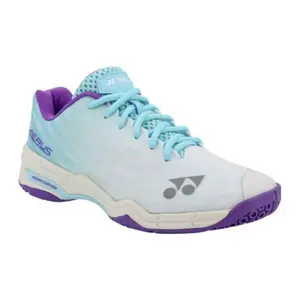


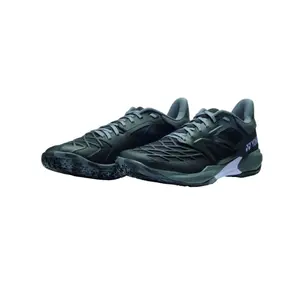
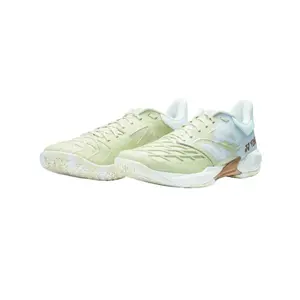
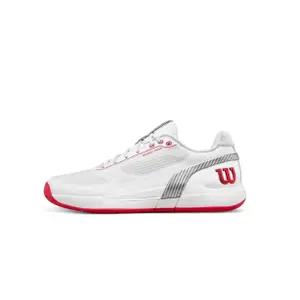
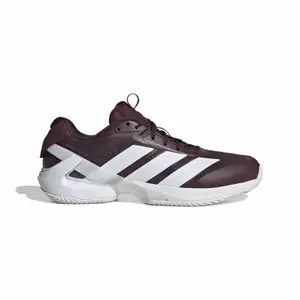


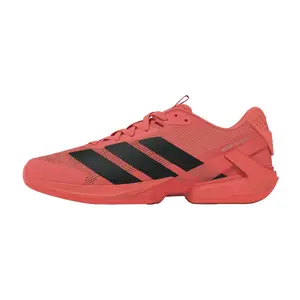
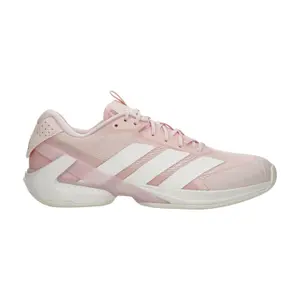

The Table Tennis Shoes page features indoor shoes designed for the player's footwork: a low and flat sole that keeps the foot close to the floor, a non-marking rubber that grips the surface of the hall, and a lightweight upper that supports the foot during sidesteps and pivots. For club training, competitions, or casual play.
Quick and reliable footwork near the table, on the floor of the hall.
Side steps, pivot, lunge: the footwork of the table tennis player
In table tennis, rallies often happen within three meters of a table that is 2.74 meters long, with quick and short movements. The player performs side steps, crossover steps to cover the forehand, pivots on the ball of the foot to get around the backhand, and small lunges towards the net to return a short ball. Each foot placement starts from the tip of the toe and requires an instant response. The shoe must keep the foot close to the ground, with no elevated heel, to feel the ground and maintain balance during weight transfers from one leg to the other.
Table tennis on the site
Table tennis also includes:
- Rackets.
- Balls.
- Accessories, covers, cleaners, and tables.
All the equipment is gathered on the table tennis page.
Sole, rubber, and upper: the construction of a shoe
The sole of a table tennis shoe is thin and flat, with minimal cushioning: if it's too thick, it raises the foot away from the ground and increases the risk of ankle twists. Its rubber, often natural, is non-marking and features herringbone or circle patterns under the forefoot, the pivot area. The synthetic flooring in competition venues is soft and slightly textured, requiring a firm grip without a suction effect. The upper, made of breathable mesh reinforced on the sides, keeps the foot stable during lateral movements while remaining lightweight, and a firm heel counter stabilizes the heel when braking at full speed.
Size, maintenance, and lifespan of a pair
You should try on your shoes at the end of the day when your foot is a bit swollen, wearing the socks you use at the club: you need half a centimetre in front of the toes to absorb the braking, and the heel should not slip. The pair should be reserved for indoor use: wearing them outside collects gravel, wears them out, and reduces their grip. Before playing, a wipe with a damp cloth on the sole removes dust from the ground. After training, let the pair air dry with the insoles removed, away from radiators that can harden the rubber. When the sole becomes smooth under the forefoot and the pivots slip, it’s time to replace them.
Bargain deals
Good deals can also be found in the bargain deals, promotions, clearance, sales, and Black Friday. The new arrivals showcase the latest collections, and the items shipped within 24 hours are prepared and dispatched in 24 hours. The year's highlights follow a stable order: Black Friday in late autumn, the year-end festivities, winter sales, spring French Days, followed by summer sales and back-to-school.
Frequently asked questions
Can you play ping-pong in running shoes?
It’s not recommended: the thick, rounded sole of a running shoe, designed for forward motion, promotes ankle twists during lateral movements. A flat indoor shoe keeps the foot stable and close to the ground.
Are table tennis shoes mandatory in clubs?
No specific model is required, but most clubs insist on clean indoor shoes with non-marking soles. A proper table tennis shoe mainly enhances foot speed and comfort during long sessions.
What shoe for a child for ping-pong?
A lightweight model, with Velcro for younger ones and then laces, featuring the same flat and grippy sole as adult shoes. You should leave half a centimetre of space in front of the toes without going too large, which would cause the foot to slide.
How to restore grip to a slippery sole?
Clean the rubber with warm water and a soft brush to remove embedded dust, then let it dry. If it remains smooth after cleaning, the rubber is worn and the pair needs to be changed.
Do you need high-top shoes for table tennis?
No, low models are preferred: they allow the ankle to pivot freely and weigh less. Support comes from the heel counter and lateral reinforcements; a player prone to sprains might add an ankle brace.






