
Tennis shoes by surface


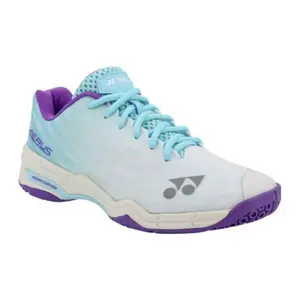


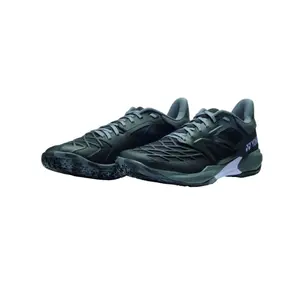
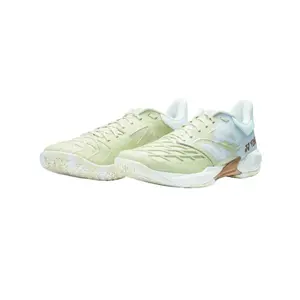
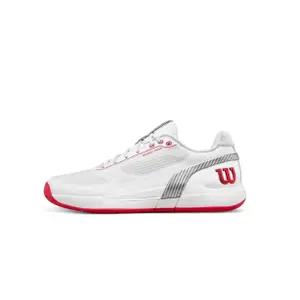
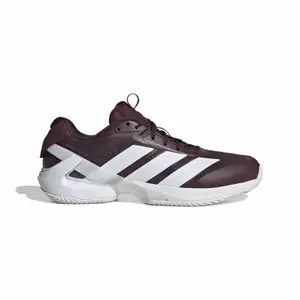


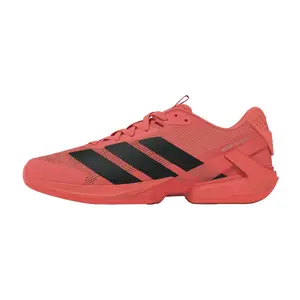
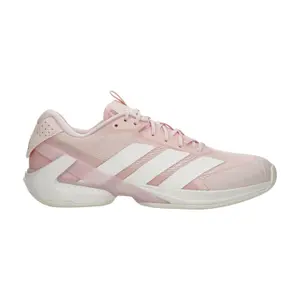

The tennis shoes page brings together court models for men, women and children, including the Head Revolt, Endure and Sprint, with soles designed for clay, hard or all surfaces. Classic lacing, BOA dial or Velcro for the little ones: every player finds support suitable for their game, level and the court they train on.
Secure footing on the court, whatever the surface.
Clay, hard or indoor: what sole
The surface dictates the choice of sole. On clay, a full chevron pattern grips the crushed brick layer and frees itself with each step, allowing you to glide towards the ball without losing your footing. On hard surfaces, whether resin or porous concrete, abrasion is at its highest: a thick, reinforced rubber under the forefoot is needed, the area that rubs during stops. For indoor courts, on carpet or synthetic surfaces, a smoother sole prevents snagging. A all-court sole combines chevrons and mixed patterns for those who frequently change courts.
Tennis on the site
Tennis also includes:
- Rackets.
- Textiles.
- Balls.
- Accessories, strings, and grips.
- Nets and posts.
All things tennis can be found on the tennis page.
Revolt, Endure, Sprint: three families Head
The Head Revolt Pro is aimed at powerful baseline players looking for stability during lateral movements. The Head Sprint focuses on lightness and agility, ideal for those who rush the net and play quickly. The Endure range bridges the two: a TPU frame that supports the foot from heel to toes, shock-absorbing foam in the heel, and a more responsive forefoot, featuring a Hybrasion+ rubber sole known for its durability. Its BOA version replaces laces with a dial that adjusts fit to the millimetre and doesn't loosen during a match.
Children's tennis shoes: size and closure
For children, tennis shoes should hold the foot without squeezing during repeated runs. Scratch models, like the Head Sprint Velcro, can be put on independently from the first mini-tennis lessons, without laces that come undone on court. Older kids switch to traditional lacing, like on the Head Sprint Pro junior, which provides a more precise fit for movement. Measure the foot at the end of the day, standing, and leave around half a centimetre in front of the big toe: young children often go up a size each year. A non-marking sole is required in most indoor venues.
Good deals
Great deals can also be found in the good deals, promotions, clearance, sales, Black Friday. The new arrivals showcase the latest collections, and items shipped within 24 hours are prepared and dispatched in 24 hours. The highlights of the year follow a consistent pattern: Black Friday at the end of autumn, end-of-year festivities, winter sales, spring French Days, then summer sales and back-to-school.
Frequently asked questions
Women's or men's tennis shoes: what's the difference?
Women's models have a narrower heel shape and a reduced volume, with cushioning tailored for a lighter average weight. A woman with a wider foot can definitely wear a men's model in her usual size.
How long does a pair of tennis shoes last?
It all depends on the surface and frequency of play: on hard courts, a player training several times a week can wear out a sole in a few months. When the rubber on the forefoot becomes smooth or the cushioning collapses, it’s time to replace the pair.
Can you play tennis in running shoes?
This is not recommended: running shoes are designed for forward movement, with a high heel and limited lateral support. On court, side movements and braking expose you to ankle sprains.
How to properly try on a tennis shoe?
You should try them on at the end of the day, with the socks you’ll wear to play, and mimic some side steps and stops. The heel should not lift and the foot should not slide forward during braking.
How to care for your tennis shoes?
After a session on clay, bang the soles together and brush off the dirt before it dries. Remove the insole to air out the shoe and avoid the washing machine, which can unglue the rubber and deform the heel counter.






