
Athletics and Training Hurdles
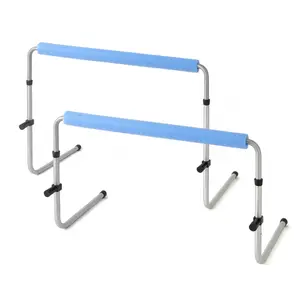
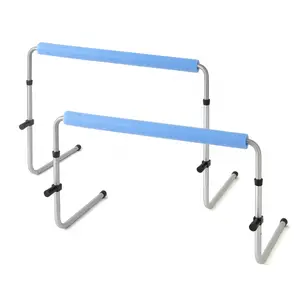
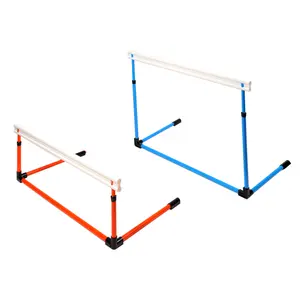
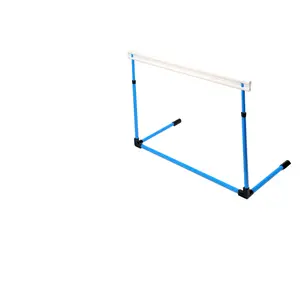
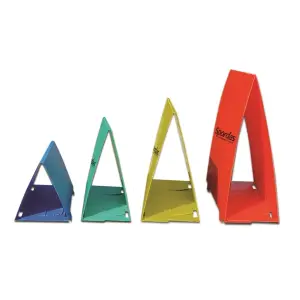
The Hurdles page brings together hurdle race equipment: adjustable height competition hurdles, collapsible training hurdles, and mini-hurdles for education, schools, and athlete warm-ups.
From the 110 metre hurdles to educational tools for younger ones.
The regulatory heights
Hurdle races are contested over ten hurdles, at heights that vary according to the event. The 110 metre hurdles for men are run with hurdles at 1.067 metres, while the 100 metre hurdles for women have hurdles at 0.838 metres. In the 400 metre hurdles, the hurdles measure 0.914 metres for men and 0.762 metres for women. Youth categories race over lower hurdles and shorter distances: a competition hurdle is therefore adjustable to several heights.
Athletics on the site
Athletics also includes:
- Shoes, sprint and hurdle spikes.
- Clothing.
- Throws.
- Measuring tape.
- Club equipment.
All the equipment is gathered on the athletics page.
Training hurdles
In training, falling or flexible-bar hurdles topple with the slightest contact: the athlete can practice their clearance without the fear of falling. Mini-hurdles, which are very low, are used for stride drills, warm-ups, and learning the rhythm between hurdles, in clubs as well as at school. They are used well beyond hurdle races, by sprinters and in many team sports, to work on foot placement frequency.
Properly equipping a club
For a club, adjustable hurdles are selected to cover all categories, from the youngest to seniors, and they are easy to stack for storage. The adjustable ballast of the competition hurdle determines the force needed to topple it: it can be adjusted according to the height. Athletes clear hurdles with sprint spikes for grip on the track.
Good deals
Good bargains can also be found in the good deals, promotions, clearance, sales, Black Friday. The new arrivals showcase the latest collections, and items shipped in 24h are prepared and sent out within 24 hours. The key times of the year follow a stable order: Black Friday at the end of autumn, the end-of-year holidays, winter sales, French Days in spring, then summer sales and back to school.
Frequently asked questions
How many hurdles are there in a hurdle race?
Hurdle races are contested over ten hurdles, in both 110 metre hurdles, 100 metre hurdles, and 400 metre hurdles. Their height and spacing vary according to the event and the category.
Why does a hurdle fall when touched?
The competition hurdle is weighted to tip forward when an athlete hits it, which reduces the risk of falling. Training hurdles that tip work in the same way but with less weight.
What are mini-hurdles used for?
Mini-hurdles are used for running drills: they help with frequency, foot placement, and leg cycling. They are used for warm-ups, at school, and in athletics clubs.
What height of hurdle is suitable for a child?
Younger categories race over hurdles that are lower than adults, with heights increasing with age. Adjustable hurdles allow tracking the progress of children in a club or class.
How do you clear a hurdle correctly?
Approach the hurdle with your leg extended, bringing the bent lead leg to the side, with your torso leaning forward. Try to get as close to the bar as possible to land quickly and continue the race.






