
Men's ski fleeces


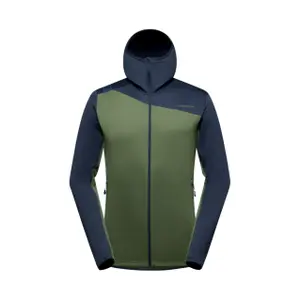
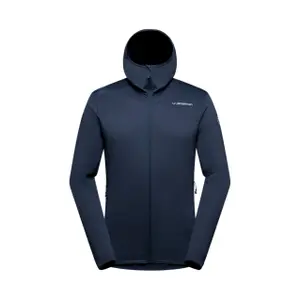
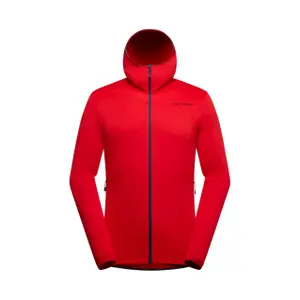
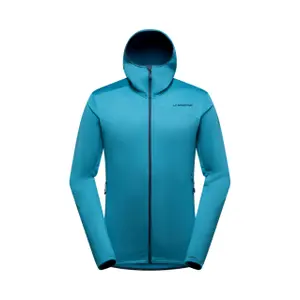
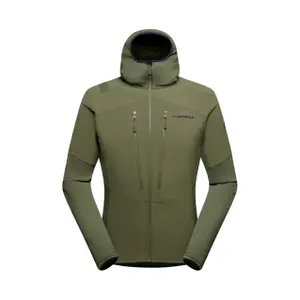
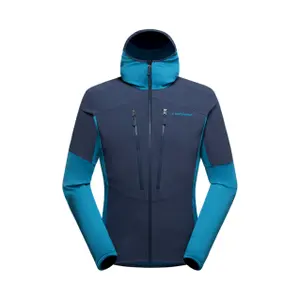
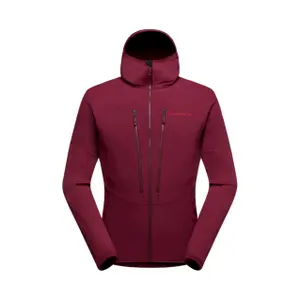
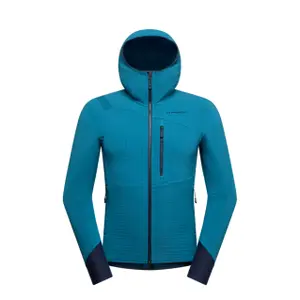


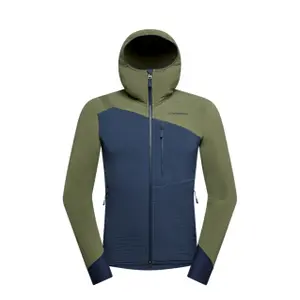
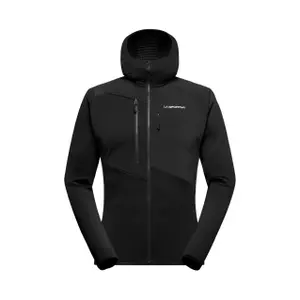
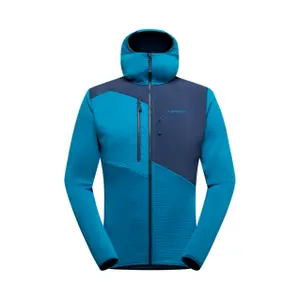
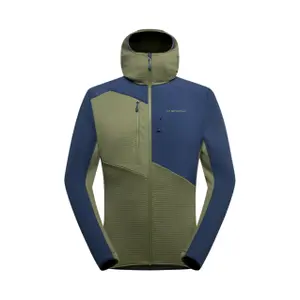


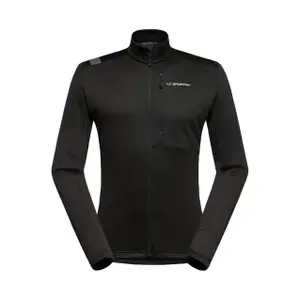


The page men's ski fleeces brings together the skier's mid-layer: zip-up fleeces Peak Mountain, half-zip Spyder Speed and Bandit, hooded fleece Karpos Ambrizzola and long-haired sherpa model. These pieces retain heat under the ski jacket without blocking moisture, and can be worn alone in the spring sun or after skiing.
The mid-layer, which keeps you warm without weighing you down.
Why fleece remains the mid-layer for skiing
Fleece keeps you warm because its brushed fibres trap air while allowing the body's sweat to escape. When skiing, it is placed between the base layer, which wicks moisture away from the skin, and the jacket, which blocks wind and snow. This role as a mid-layer suits it: it dries quickly, remains lightweight, and retains its insulating properties even when slightly damp, unlike down.
The synthetic fleece fabric was born in the United States in the late 1970s, made from brushed polyester, as an alternative to wool used by mountaineers. Lighter for the same warmth and quicker to dry, it quickly became popular in mountain wardrobes over a few winters.
Zip, half-zip, hood or sherpa: adjusting your warmth
The type of opening determines how you regulate temperature. The fully zipped fleece, like the Peak Mountain Cevira, Cemaillon, Cayak or Capino, opens wide on a sunny ascent and can be removed without taking off your helmet. The half-zip, like the Spyder Speed or the Spyder Bandit semi-zipped, fits closer to the body, avoiding a long zip that presses under the jacket; you can open the collar to cool down.
The Karpos Ambrizzola adds a hood that protects the neck and head during breaks and after skiing. The sherpa version of the Peak Mountain Croco, with long hair like sheepskin, is the warmest and softest: it is reserved for freezing days and returning to the chalet.
Spyder and Karpos: two brands born from competition
Spyder was founded in 1978 in Boulder, Colorado, when David Jacobs, a former member of the Canadian national ski team turned coach, began selling racing sweaters by mail to young competitors. The name comes from a racing pant whose protectors, from the knee to the hip, resembled spider legs; the spelling with a "y" is a nod to the Porsche Spyder. The Bandit, available in zipped and semi-zipped versions, carries on this legacy.
Karpos, founded in 1976 in the heart of the Dolomites, belongs to the Italian group Manifattura Valcismon and has specialised in ski mountaineering: its fleeces are designed for the effort of ascent, with breathable fabrics and fitted cuts.
Men's ski clothing
Men's clothing is complemented by ski jackets, ski pants, down jackets, suits, base layers, on the men's page.
Washing and drying fleece without making it bobble
A fleece pills when its fibres rub together and tangle: all care aims to limit this friction. Wash it inside out, zip closed so that the zip doesn’t catch on the fabric, at thirty degrees on a delicate cycle, with similar types rather than with bath towels or coarse fabrics. Fabric softener should be avoided: it coats the fibres and reduces their ability to let moisture escape.
Drying is done in the open air, flat or on a hanger, away from a radiator: a synthetic fleece dries in a few hours. For the sherpa, a gentle brush once dry revives the volume of the long fibres.
Frequently asked questions
Which fleece should I choose for ski touring?
When touring, you sweat a lot on the way up: a thin breathable fleece, zipped for ventilation, is better than a thick model. Brands from ski mountaineering, like Karpos, favour close-fitting cuts that won’t hinder arm movement.
Fleece or lightweight down jacket under a ski jacket?
The fleece breathes better and handles moisture, ideal when alternating between effort and breaks. The lightweight down jacket insulates more at the same weight but struggles with sweat: save it for very cold days mostly spent on ski lifts.
What size fleece should I take to wear under a jacket?
Your usual size, fitted without being tight: a fleece that is too loose forms folds and pockets of cold air under the jacket. With arms raised, the sleeves should stay at the wrist to avoid exposing skin between the glove and the jacket.
Is the sherpa fleece suitable for skiing?
The sherpa, very warm and soft, is suitable for freezing days under a loose jacket or for après-ski. Thicker than a standard fleece, it breathes a bit less: on the slopes, it’s worn particularly in very cold weather and with low exertion.
Does a fleece protect against the wind?
No, the fleece knit lets air through, making it breathable. Alone, it is suitable for calm and sunny weather; as soon as the wind picks up or snow falls, it should be covered with a ski jacket.






