
Winter sports textiles


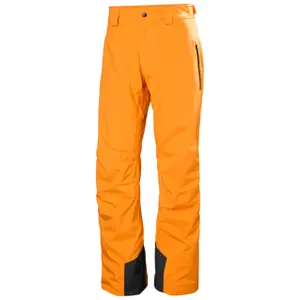

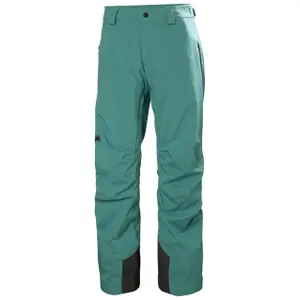


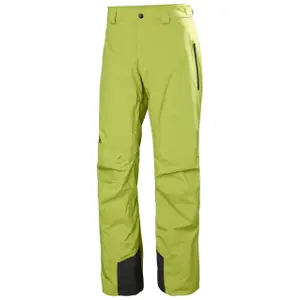

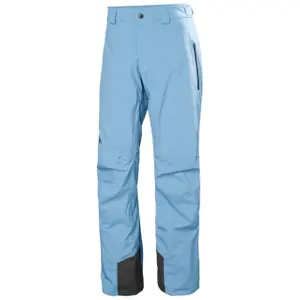
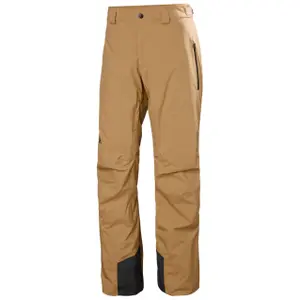
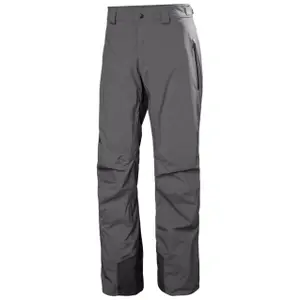


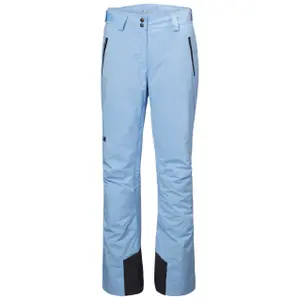

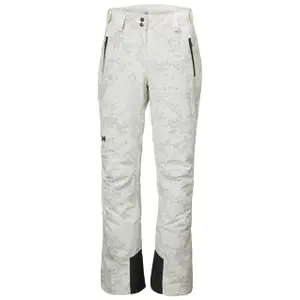
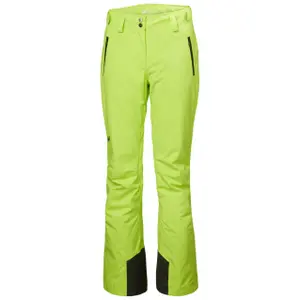


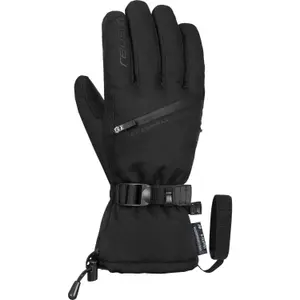


The Textiles page for winter sports brings together ski jackets and trousers, salopettes, down jackets, fleeces, base layers, gloves and hats, from Helly Hansen, Rab, Patagonia, Spyder, CMP, Protest, Karpos, La Sportiva or Dynafit. It has everything you need to dress for a week at the resort or for ski touring, for both adults and kids.
Dressing for the snow means staying dry and warm without sweating.
Jacket and ski trousers: membrane, insulation, and skiing details
A ski jacket combines a waterproof and breathable membrane, insulation, and skiing-specific features: an internal snow skirt that blocks snow if you fall, a lift pass pocket on the sleeve, and a hood that’s large enough to fit over a helmet. Helly Hansen, founded in 1877 in Moss, Norway, known for its oilskin jackets, makes the Sogn, while Spyder produces the Ambush for kids.
On the lower body, the ski trousers, like the Protest Joss, have internal gaiters that seal around the ski boot, while the salopette, like the Spyder Bormio, extends up to the chest and protects the lower back.
Down jackets and shells for ski touring and alpinism
In ski touring and alpinism, we layer up instead of wearing an insulated jacket, which is too warm for the ascent. The down jacket, like the Rab Mythic or the La Sportiva Lumina, offers the best balance of warmth and weight and is used during breaks and at the summit; the synthtic insulation of the Patagonia Nano Puff or the Rab Cirrus Flex retains its insulating properties even when wet. Rab was founded in 1981 in Sheffield by Scottish climber Rab Carrington.
During strenuous activity, a non-insulated waterproof shell, such as the Patagonia M10 Storm or the Rab Firewall Alpine, cuts the wind and snow without causing overheating.
Fleeces and base layers: insulating without sweating
The base layer, worn next to the skin, wicks away sweat to keep the body dry: made from merino wool, it limits odours for several days, while synthetic it dries faster. Over this, the fleece insulates by trapping air in its looped fibres while remaining breathable: the Rab Tecton for women or the Karpos Ambrizzola, with a hood and full zip, can be worn under the jacket on the way down and on its own during an ascent in good weather.
For life in the resort, the windproof knitted jumper from SOS maintains the look of a mountain jumper while providing better protection from gusts.
For the whole family
The selection is organized by audience:
- Men, jackets, trousers, and layers.
- Women, feminine cuts and salopettes.
- Children, junior ski jackets and trousers.
The gear is completed with shoes, skis, snowboards, goggles, accessories, poles, snowshoes, on the winter sports page.
Gloves, hats, and ski outfits for kids
The extremities get cold first: waterproof ski gloves with long cuffs that slide over or under the sleeve of the jacket, along with a hat for chairlifts and life in the resort complete the outfit. Mittens, where the fingers warm up together, are suitable for chilly skiers and younger ones.
For children, who often fall and play in the snow, a long jacket with a snow skirt and a salopette is preferable, like the Protest Deline jacket for girls or the hooded CMP jacket. Elastic cuffs and bright colours help to spot the child on the slopes.
Frequently Asked Questions
What does the waterproof rating of a ski jacket mean?
Expressed in millimetres of water column, it indicates the pressure the fabric can withstand before letting water through. A jacket rated at ten thousand millimetres or more performs well against wet snow and showers in the resort.
What does the breathability of a ski jacket measure?
It indicates the amount of water vapour that the fabric allows to escape, often in grams per square metre over twenty-four hours. The higher it is, the less sweat condenses inside during exertion.
How do you wash a ski jacket?
In a washing machine at thirty degrees, with zips closed, using a detergent for technical textiles and no fabric softener, as it clogs the pores of the membrane. A gentle drying or a re-waterproofing product then reactivates the water-repellent treatment.
Can a down jacket replace a ski jacket?
For a day on the slopes, a jacket with a membrane, snow skirt, and lift pass pocket is more suitable. The down jacket, being more delicate against abrasion, is suitable for dry and cold weather or worn under a shell.
How can you tell if a ski jacket is warm?
Look at the type and amount of insulation: a jacket padded with synthetic wadding is suitable for piste skiing, while an uninsulated shell requires a warm layer underneath. The weight of the insulation, often noted on the product sheet, gives a good indication.






