
Winter sports accessories
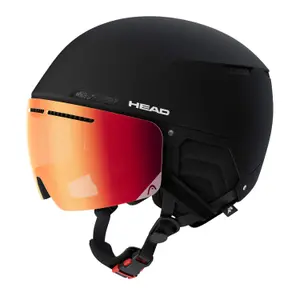
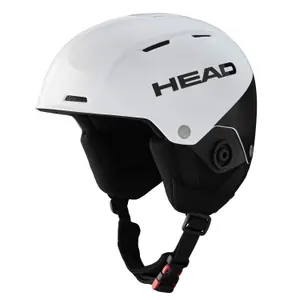
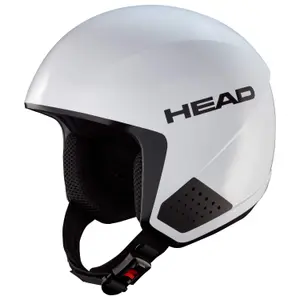
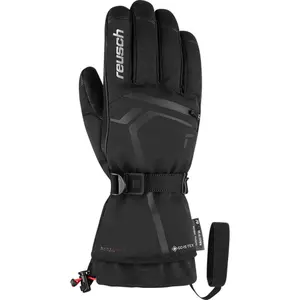
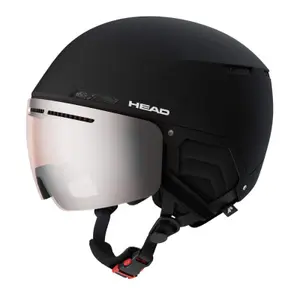
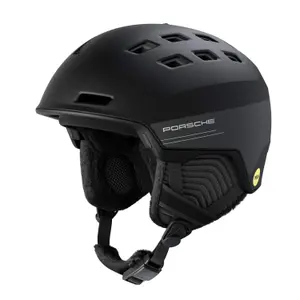
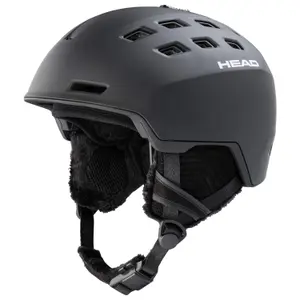
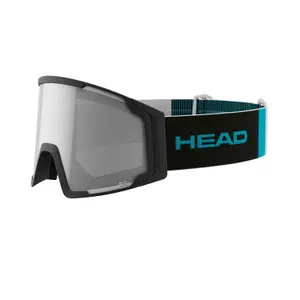
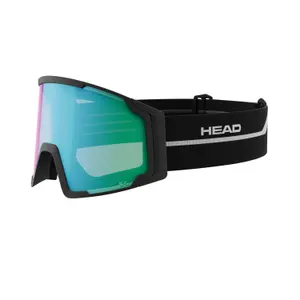
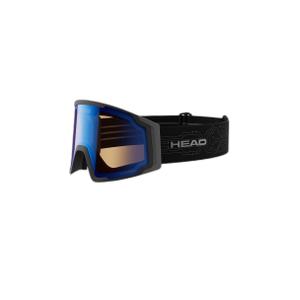
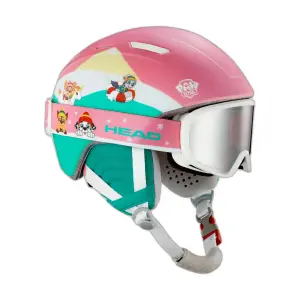
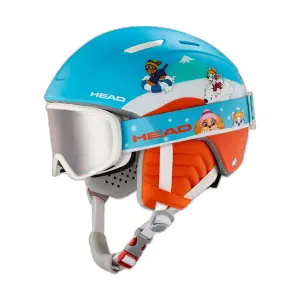
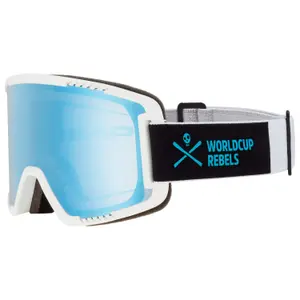
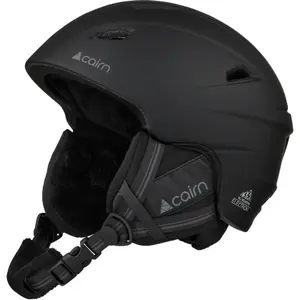
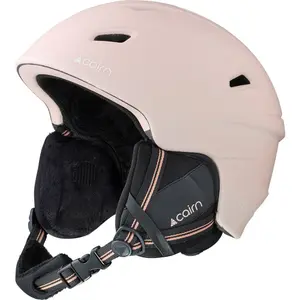
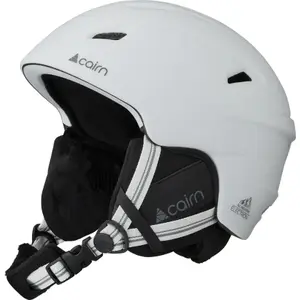
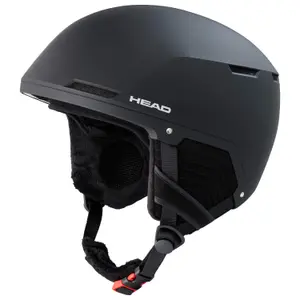
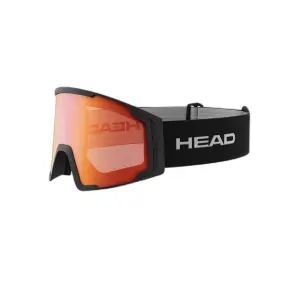
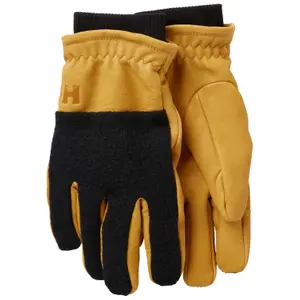
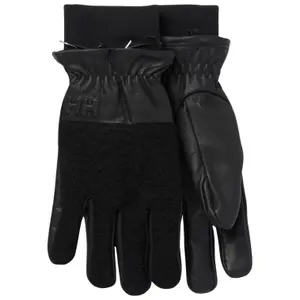
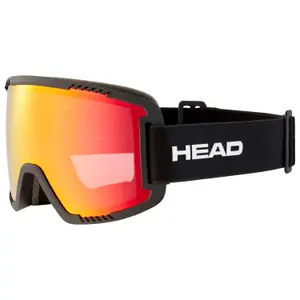
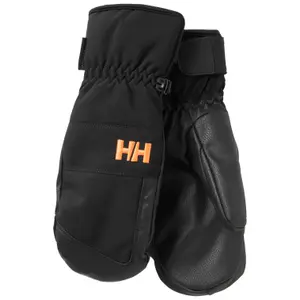
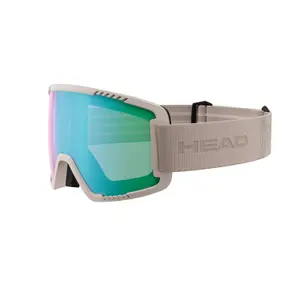
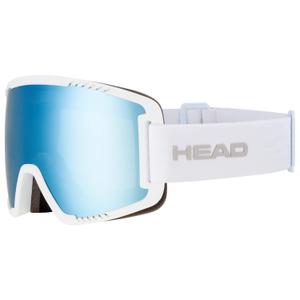
The ski accessories page brings together the gear that protects and warms you on the slopes: certified helmets, goggles, waterproof gloves and mittens, technical socks, hats, neck tubes, balaclavas, and back protectors, from Reusch, Head, POC, Cairn, Casco, or Vola. Occasional skiers, freeriders, and children can find everything they need to gear up from head to toe before putting on their skis.
Keep your head, hands, and feet warm and protected.
EN 1077 helmet and MIPS system: how it protects
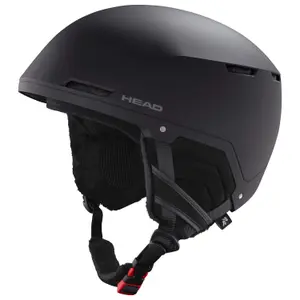
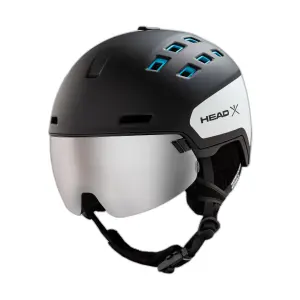
An ski helmet sold in Europe meets the EN 1077 standard, which distinguishes two classes: class A covers more of the head, while class B leaves more room for the ears, protected by soft pads. The shell absorbs shock by compressing its foam, meaning you need to replace the helmet after a severe impact. The MIPS system, developed in Sweden from 1996 by a neurosurgeon and a researcher from the Royal Institute of Technology, adds an inner layer that allows a slight slip during an oblique impact, like on the POC Levator. The Head Compact Evo or Cairn Android can be adjusted with a dial to fit around your head.
Gloves, mittens or lobster: warmth and dexterity
A mitten keeps the fingers together in one compartment, where they share warmth: it's the choice for cold hands and frosty days, like the Reusch World Champ or Marisa. The glove with five fingers, like the Reusch Outset or the Morris Gore-Tex, retains dexterity for buckling a boot or opening a pocket. The lobster model combines the thumb with two compartments, one for the index and middle fingers, and the other for the ring and little fingers: a compromise between the two. Reusch, founded in 1934 in Metzingen, Germany, launched its first ski gloves in 1972. Its R-Tex XT membranes, like Gore-Tex, block water while allowing perspiration vapor to escape.
Socks, back protectors and heating: other protections
In the ski boot, a single pair of socks that are thin and tall is enough: a thick sock compresses the foot in the rigid shell, disrupts circulation and eventually makes the toes cold. Ski models, like those from Monnet, rise high on the shin to prevent the tongue from rubbing against the skin. The back protector Cairn Proride uses D3O, a soft material at rest that stiffens upon impact; it protects the spine while freeriding, in the snowpark or at high speed, and many back protectors are certified to the EN 1621-2 standard. For very cold feet, Lenz batteries power heated socks that can be adjusted by intensity depending on the chill.
The selection
Accessories are organised by type:
Gear is completed with goggles, clothing, skis, snowboards, shoes, poles, on the winter sports page.
Ski goggles: lens category and compatibility
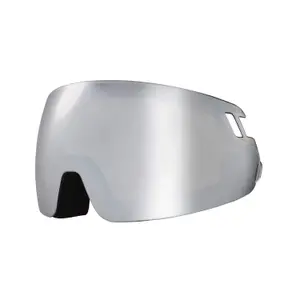
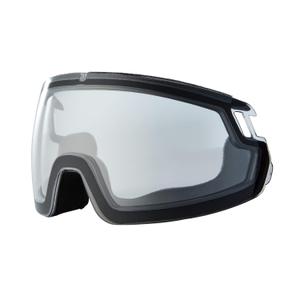
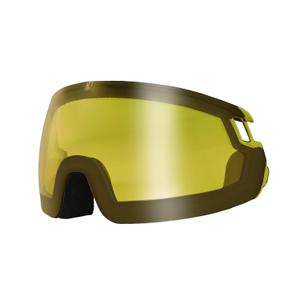
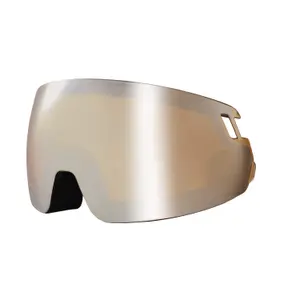
The ski goggles are chosen first based on brightness. The EN ISO 18527-1 standard classifies lenses from category S0, almost clear, to category S4, very dark: a S2 covers variable conditions, a S3 for bright sunlight. Goggles with a replaceable lens, like the Casco FX-80 and its magnetic system or the Head Cinema, which sell the lens separately, allow you to change the glass according to the weather. The POC Fovea Mid, in medium size, fits smaller faces. Finally, the goggles and helmet should fit snugly with no gap at the forehead; otherwise, cold air can get in, causing fogging inside the lens.
Frequently asked questions
How do I choose the size of a ski helmet?
Measure the head circumference above the eyebrows and ears with a tape measure, then refer to the brand's guide. When well adjusted, the helmet shouldn't move when you shake your head and shouldn't create any pressure points.
Is a ski helmet mandatory for a child?
No law requires it on French slopes, but it's strongly recommended from the first day. Choose a child model that meets the EN 1077 standard, adjustable with a dial, like the Cairn Android in junior size, and replace it as their head grows.
How do I dry ski gloves after a day out?
Turn the cuff inside out and lay them out to air in a temperate room, fingers facing upwards, away from the radiator which hardens the leather and damages the membrane. An electric glove dryer on low temperature speeds up drying for the next day.
How do I prevent fogging in ski goggles?
Never rub the inside of the lens, as the anti-fog treatment is fragile: dab it with the provided pouch. Keep the goggles on your face or over the helmet rather than on a sweaty forehead, and let them dry open in the evening.
Neck warmer or balaclava in extreme cold?
The fleece or merino wool neck warmer rides up over the nose in strong winds and can be lowered when climbing. The balaclava covers the whole head under the helmet, ideal in very cold conditions or on chairlifts exposed to the wind.






