
Snowboard: boots and snowboarding clothes
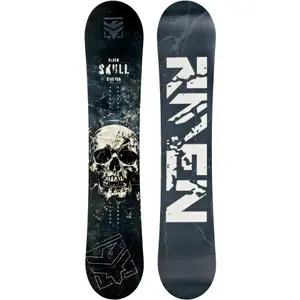
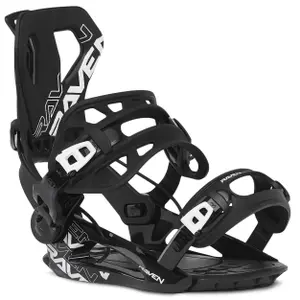
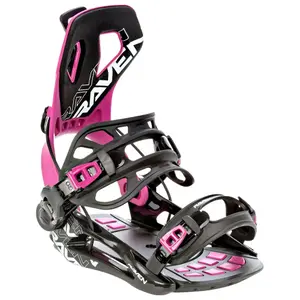
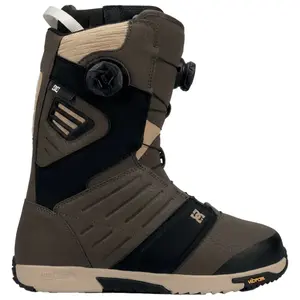
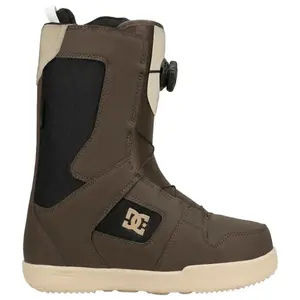
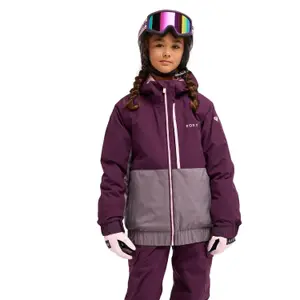
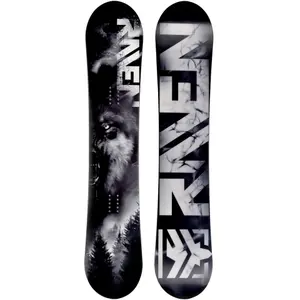
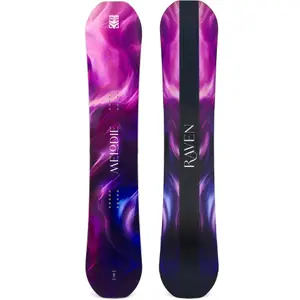
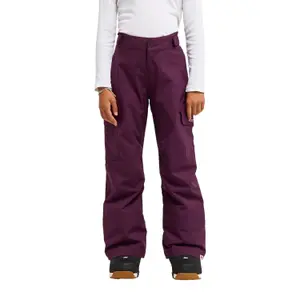
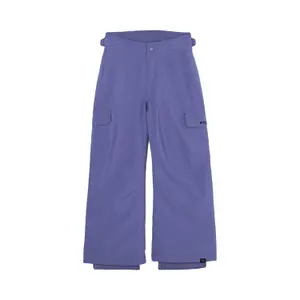
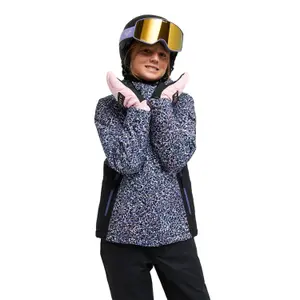


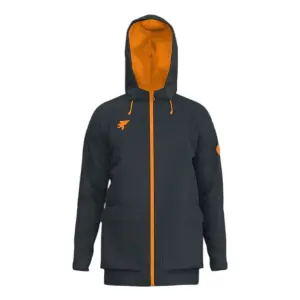
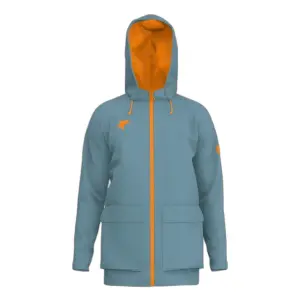
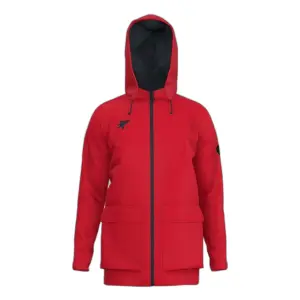


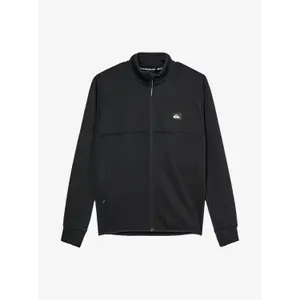
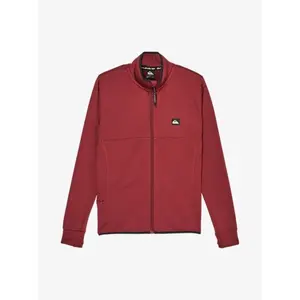


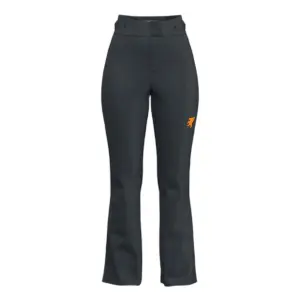
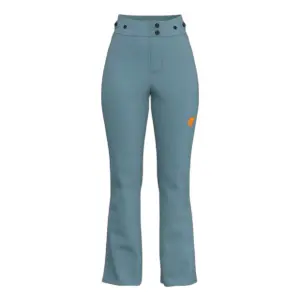
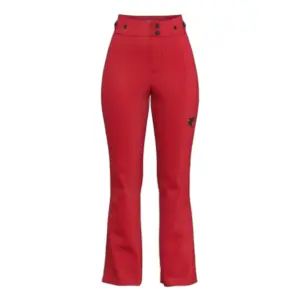
The snowboard page brings together boots, jackets, trousers, salopettes and fleeces for riding from the slopes to the snowpark, from DC Shoes, Roxy, Quiksilver and Colourwear. Flex of the boots, lacing system, waterproofing of the fabric and cuts designed for women and girls: everything that matters to stay warm, dry and secure on the board.
Well-equipped and dry, to carve turns and enjoy sessions in the snowpark.
Snowboard Boots: Flex and Lacing
The boot transfers every pressure to the board: its flex, often rated from one to ten, is chosen based on the style of riding. Softer boots forgive mistakes and make tricks in the snowpark easier; stiffer boots respond quicker for carving at high speeds or tackling off-piste. DC Shoes, founded in 1994 in California by Damon Way, Ken Block, and Clayton Blehm, offers its Phase, Control, and Judge boots, and several models feature the BOA lacing system, which adjusts tension in a few turns even with gloves on. The liner compresses slightly during the first outings.
Waterproofing and Breathability of Snowboard Fabric
The snowboarder often sits in the snow to put on their bindings: the trousers must be very waterproof. Waterproofing is measured in millimetres of water column; the DC Brigade trousers, advertised at thirty thousand millimetres, are among the most protective. Breathability, measured in grams of vapour released per square metre per day, prevents getting wet from the inside due to sweat. The bib goes up to the torso and keeps snow out during falls, and the long-cut snowboard jackets cover the lower back.
Roxy, Quiksilver and Colourwear: Cuts and Layering
Roxy, a women's line launched by Quiksilver in 1990, designs its jackets and trousers for the body shapes of women and girls; its heart logo brings together two Quiksilver logos. The quilted Roxy Snowyhill Puffy jacket keeps you warm in dry cold, while the Snowflare and Crystal Clear for girls focus on protection and freedom of movement. The Swedish brand Colourwear prefers loose, colourful cuts inspired by skate culture. Under the jacket, a fleece, like the Quiksilver Ocean View hoodie, serves as a mid-layer and can be worn alone at lunchtime.
Winter Gear
The gear is completed with masks and goggles, ski clothing, accessories, shoes, skis, poles, snowshoes, on the winter sports page.
Board, Stance and Binding Adjustments
The board is chosen based on its length, which generally reaches between the chin and the nose when standing upright, and the rider's weight: shorter for freestyle, longer for speed and powder. The profile also matters: the classic camber offers grip and pop, while the rocker makes turns and flotation easier. The distance between the bindings, the stance, is set roughly to shoulder width, and the angles are chosen based on the style: both angled forward for carving, open like a duck for freestyle and sliding in both directions.
Frequently Asked Questions
How many days does it take to learn snowboarding?
The first two or three days are often the hardest, with lots of falls while mastering the slide. Most beginners then manage their first turns within the first week, especially with some guided lessons.
How do you know if your snowboard boots are the right size?
Standing, your toes should just touch the end of the liner, then move back slightly when your knees are bent in a riding position. The heel should not lift when you lean forward: if it moves, the boot is either too big or badly tightened.
How to care for a waterproof snowboard jacket?
Wash it infrequently, at thirty degrees with a special detergent for technical fabrics, without softener or bleach. A spray or wash-in water repellent reactivates the protection when water stops beading on the surface.
How can you tell if you're regular or goofy?
Let someone gently push you from behind: the foot that moves forward to catch you is usually your front foot. Left foot forward, you're regular; right foot forward, goofy. Sliding in socks on a wooden floor gives the same indication.
What layer should you wear under a snowboard jacket?
A breathable base layer close to the body, then a fleece as a mid-layer, and the jacket over it: this three-layer system can be adjusted by removing the fleece when it's warm. Avoid cotton, which retains moisture and cools you off on the chairlift.






