
Snowshoes
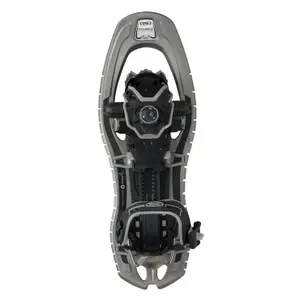
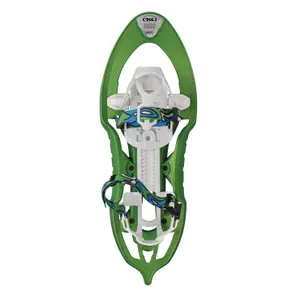

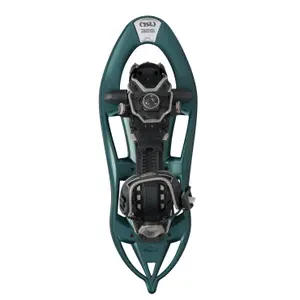

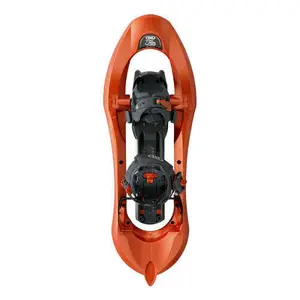
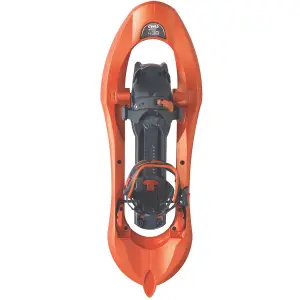
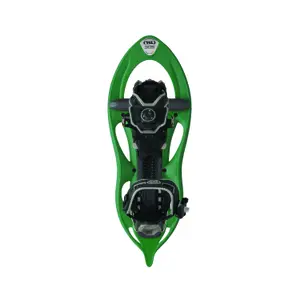
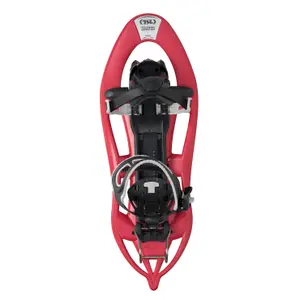
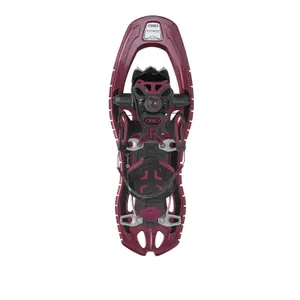
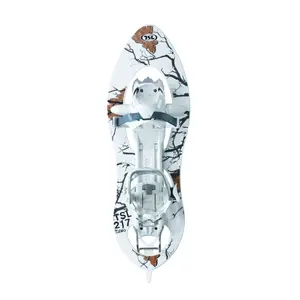
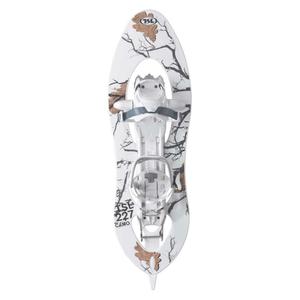
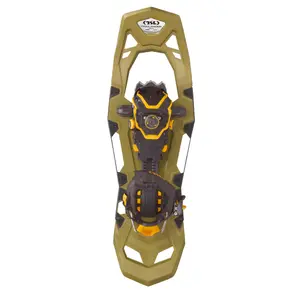
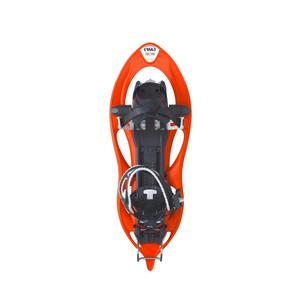
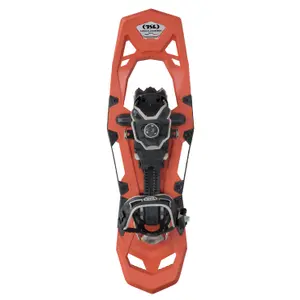
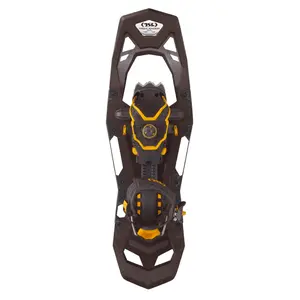
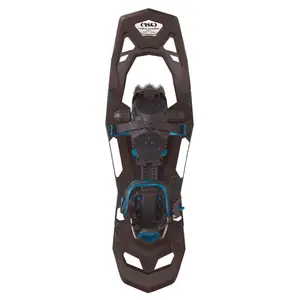

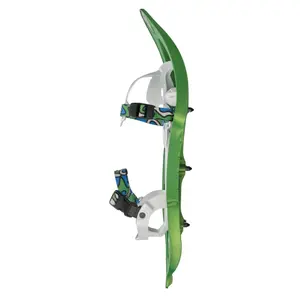
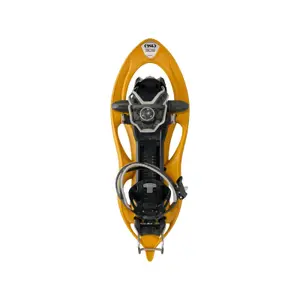
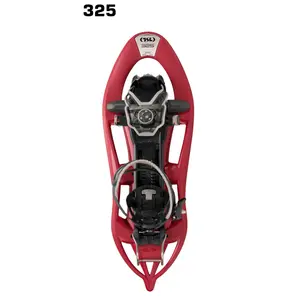
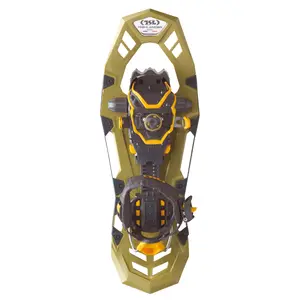
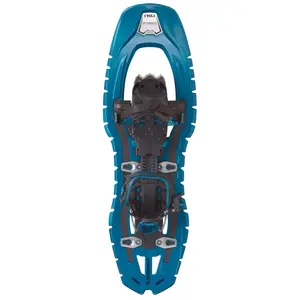
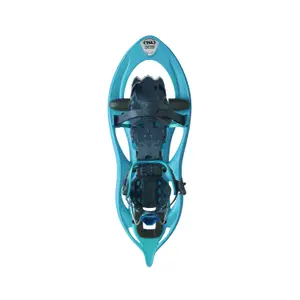
The snowshoes page brings together models from TSL, a manufacturer based at the foot of the Aravis since 1981, for both forest walks and winter hiking in the mountains. From versatile snowshoes with adjustable bindings to compact models that are halfway between a snowshoe and a crampon, everyone can find equipment suited to their weight, snow conditions, and terrain.
The snowshoe distributes weight over the snow so you don't sink in: it's an accessible sport, provided you have the right gear.
TSL, the plastic snowshoe born in the Aravis
TSL was created in 1981 in Thônes, Haute-Savoie, at the foot of the Aravis mountains. The brand started with a simple idea: to replace the wooden frame and cord of traditional snowshoes with a moulded plastic structure that is lighter, maintenance-free and equipped with spikes. Its first model made snowshoeing accessible to hikers and families, far beyond just mountain enthusiasts. TSL is one of the few manufacturers still producing in its historic factory at the foot of the Aravis, allowing it to offer spare parts to extend the life of its snowshoes.
Original, Highlander or Smart: three approaches
The Original range is TSL's versatile hiking snowshoe: it has a rigid frame with a curved shape, six interchangeable lateral spikes, a front claw and a climbing lift that can be activated by hand or with the tip of a pole. The Highlander Adjust steps up a level with a BOA tightening system, a memory lateral adjustment that fits all shoe widths and a lift that locks in place with a pole stroke, ideal for long hikes and steep slopes. The Smart, lightweight and minimalist, serves a unique purpose: a compromise between snowshoe and crampon, for packed snow trails where a large surface area isn’t necessary.
What surface based on weight and snow
The floatation of a snowshoe depends on its surface area and the load it carries: the weight of the walker, but also that of the bag, which can quickly reach several kilos over the day. Each model specifies a usage range, for example, fifty to one hundred and twenty kilos for the classic hiking snowshoe from TSL. In deep powder snow, a larger surface area prevents sinking up to the knees. On hard snow, in forests or on groomed trails, a compact snowshoe is more maneuverable, grips better on slopes and is less tiring on the hips, as it requires less foot spacing.
Shoes and clothing
Snowshoes are worn with tall, waterproof hiking shoes or winter boots, and gaiters to keep snow out. Clothing is layered, as the effort of snowshoeing can quickly lead to sweating. The rest of the gear can be found on the shoes, textile, accessories, poles, glasses pages for winter sports, and skiing and snowboarding in the ski and snowboard pages.
Preparing for a snowshoe outing
A snowshoe outing should be prepared like a winter hike. The avalanche risk forecast, published by Météo-France for each massif, should be checked the day before: it rates the danger on a scale from one to five. The marked trails in ski resorts and Nordic sites are the best starting point. Outside these trails, the trio of detector, shovel and probe is essential, along with training in their use and companions who know how to use them. It's also wise to plan extra time since winter days are short and progress in fresh snow is much slower than on foot in summer.
Frequently asked questions
What shoes should you wear with TSL snowshoes?
The bindings of TSL hiking snowshoes fit a wide range of shoe sizes, from thirty-nine to fifty in the Original range. Tall, waterproof hiking shoes hold better in the binding than soft, low models.
Are snowshoes suitable for children?
Yes, with shorter and lighter junior snowshoes designed for their weight and stride length. On a marked and gently sloping trail, the activity can be enjoyed by families from the age of five or six, with short outings planned.
Do you need poles for snowshoeing?
Yes, two poles fitted with snow baskets ensure balance, help you get up after a fall and relieve the legs when climbing. On TSL snowshoes, they also help lift the climbing lift without bending down.
Snowshoes or crampons: what to choose for winter hiking?
It all depends on the snow. In powder or fresh snow, only the snowshoe prevents sinking. On a packed or frozen trail, its large surface becomes unnecessary and grip takes precedence: you should then choose a compact model or crampons.
How to maintain snowshoes?
Rinse them with clear water after each outing to remove salt and snow, then let them dry at room temperature. Check the condition of the straps, spikes and climbing lift before winter: a worn part can be replaced without changing the pair.






