
Alpine and trekking ski poles

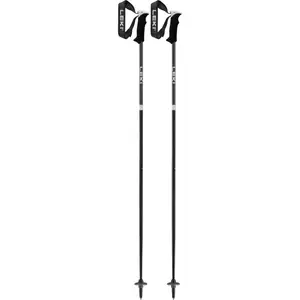
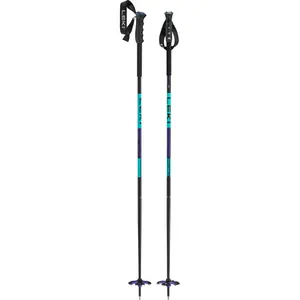
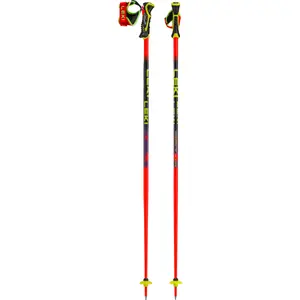
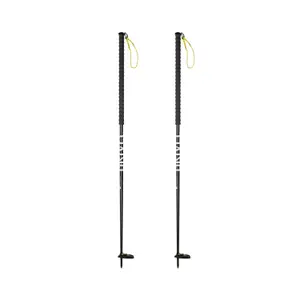
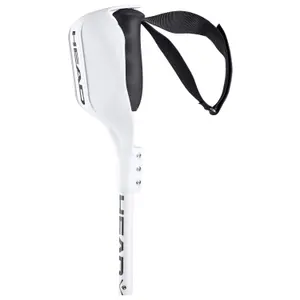
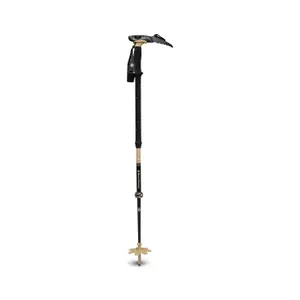
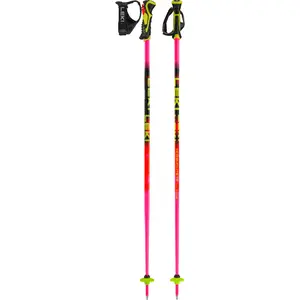

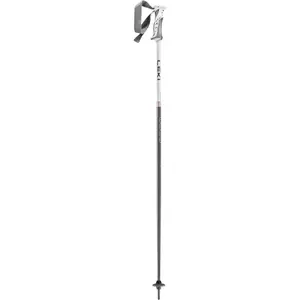
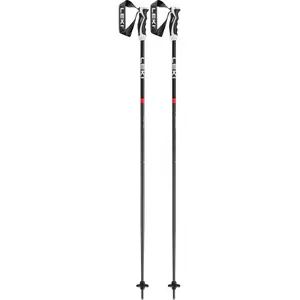
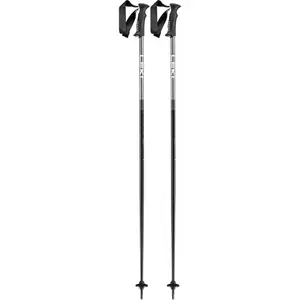
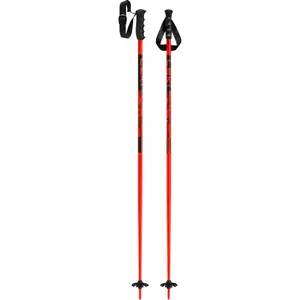


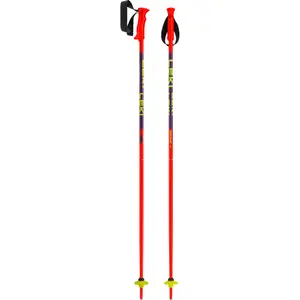
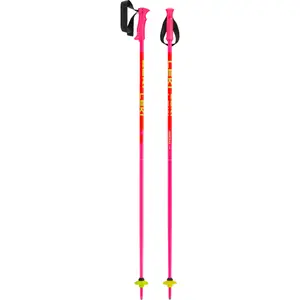


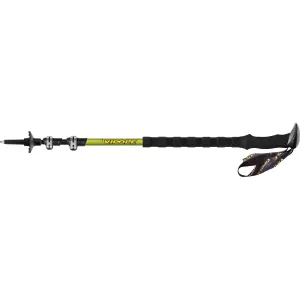
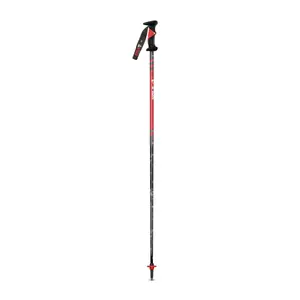
Our selection of ski poles covers pistes, mountains, and children's beginners: Atomic AMT carbon pole for alpine skiing, aluminium hiking and freeride poles Head Crux, Viking Mission, and Grivel Anarchist, and junior poles Kerma and Gabel. Choose from single-piece models that are lightweight and sturdy, according to your size and activity.
The rhythm and support, turn after turn.
Planting, uphill, balance: what are the poles for
In alpine skiing, the planting of the pole signals the turn: the tip touches the snow on the inside at the moment when the skis change edges, which sets the rhythm and keeps the upper body facing the slope. The poles are also used to push on flat ground, to get back up after a fall, and to maintain balance in bumpy sections.
In backcountry skiing, their role changes: on the way up, they relieve the legs with each step, stabilise the conversions on steep slopes, and allow you to lift the climbing aids with the tip of the pole without bending down. In freeride, they help you push out in deep snow, hence the large baskets on mountain models.
The rest of the equipment
Winter sports also include:
All winter sports are gathered on the winter sports page.
What length of ski pole to choose
The classic method is used both in-store and at home: flip the pole upside down, with the handle on the ground, and hold it just below the basket. The elbow should form a right angle, with the forearm parallel to the ground. If not, multiply your height by about zero point seven: a skier who is one meter eighty would take a pole of one hundred twenty-five centimetres. If it's too long, the pole pushes the torso back; if it's too short, it forces you to bend forward.
For touring and freeride, the measurement stays the same. The extended foam grips of Head Crux, Viking Mission, or Grivel Anarchist allow you to hold the pole lower during traverses. These monobloc models are not adjustable: the length is chosen at the time of purchase.
Aluminium 7075 or carbon, baskets and junior models
The mountain poles in the selection are made of aluminium 7075, a very rigid alloy from aerospace: the Head Crux, with its tungsten carbide tip and powder basket, the Viking Mission, whose basket tilts according to the slope, and the Grivel Anarchist, designed for freeride and steep skiing, with a strap that releases if the pole is pulled upwards. The carbon of the Atomic AMT, which is lighter, is aimed at the piste, featuring a cork grip and a sixty millimetre basket.
For children, junior poles Kerma and Gabel, short and light, accompany the first turns once balance is achieved.
Good deals
Good deals can also be found in the good deals, promotions, clearance, sales, Black Friday. The new arrivals showcase the latest collections, and items shipped in 24h are prepared and dispatched within 24 hours. The highlights of the year follow a stable order: Black Friday at the end of autumn, the year-end holidays, the winter sales, the French Days in spring, then the summer sales and back-to-school.
Frequently asked questions
How to hold your poles with the strap?
Slip your hand into the strap from underneath, then close your fingers around the handle by pinching the strap: the push comes through the strap without tensing your hand. Off-piste or in the woods, many skiers remove it to avoid being pulled if the pole gets stuck.
Why are some ski poles curved?
Curved poles are reserved for downhill and super-G: they hug the body in a speed-seeking position and reduce wind resistance. For skiing on piste or in the mountains, a straight pole remains more versatile and easier to plant.
Can the same poles be used for alpine skiing and touring?
Yes for beginners, but a touring pole offers an extended grip for traverses and a wide basket for powder. On groomed pistes, an alpine pole with a small basket is lighter and more precise for planting.
Why choose a tungsten carbide tip?
This very hard material wears out much more slowly than steel and bites into hard snow, ice, or rock. This is an advantage in touring, where the pole rests on various surfaces, as is the case with the Head Crux.
When can a child ski with poles?
Instructors generally introduce them when the child is making turns independently and maintaining balance without assistance. Before this stage, poles get in the way more than they help: it’s better to keep hands free to learn the snowplough.






