
Ski: how to choose and maintain your skis
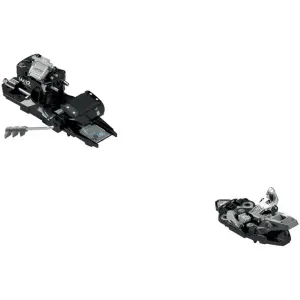
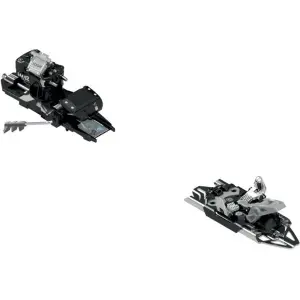
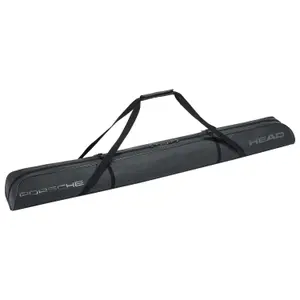
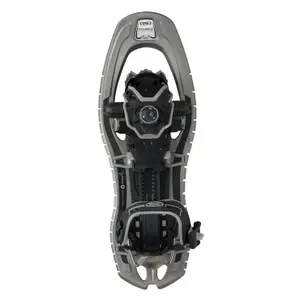
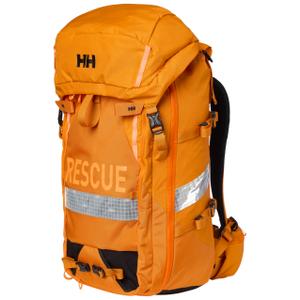

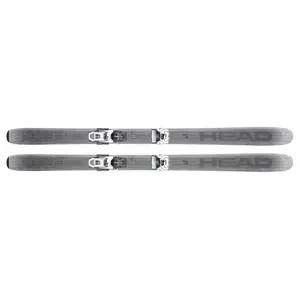

The ski page brings together skis, bindings and maintenance equipment to keep your glide fast and edges sharp: wax Vola, irons, brushes, files, diamond stones, vices and repair candles, alongside skis Head and covers Rossignol. A selection to choose your pair based on your practice, then prepare it yourself between two trips to the slopes.
Well-maintained skis glide better and hold better on ice.
Width underfoot and length: choosing your pair of skis
The width underfoot, measured under the boot, primarily guides the choice: a narrow ski, under eighty millimetres, transitions quickly from edge to edge on groomed pistes; between eighty-five and ninety-five, it becomes versatile, like the Head Kore, designed for moving from the piste to fresh snow; wider, it floats well in powder. The length generally falls between the chin and forehead for an average skier: a shorter ski turns easily; a longer one remains stable at high speed. The rocker, or raised tip, makes entering a turn and floating easier.
Waxing with an iron: step-by-step method
The wax fills the pores of the polyethylene base and protects it from oxidation, making it glide better. After cleaning, melt the wax block on the hot iron, spread it with slow passes without stopping, then leave it to cool for at least half an hour. Remove the excess with a plastic scraper, from the tip to the tail, before brushing: bronze to open the structure, nylon for polishing. A universal wax, like those from Vola, a company founded in Colmar in 1935 and based in Passy, covers all snow types; the Vola MX-E, with an eco-friendly formula, is for skiers getting their skis ready for racing.
Sharpening the edges and repairing the base
Dull edges slip on hard snow: they are sharpened, with the ski clamped in vices, first using a file mounted on an angle guide, then with diamond stones. At Vola, the 400-grit stone shapes the edge, and the 1000-grit stone polishes the cutting edge. The most common side angle is around eighty-eight degrees, with a tighter angle reserved for ice racing. A gouge in the base is filled with a candle made of polyethylene: drip the melted material into the hollow, then scrape it flush once cooled.
Transport and equipment
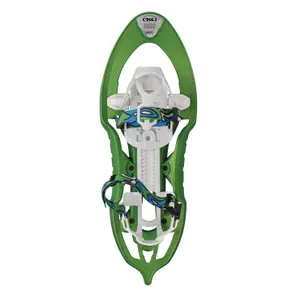
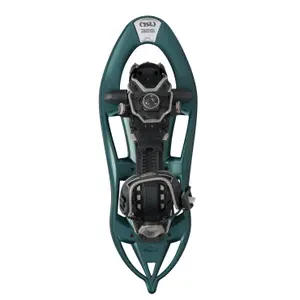
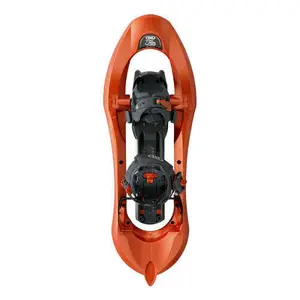
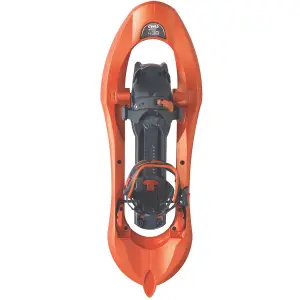
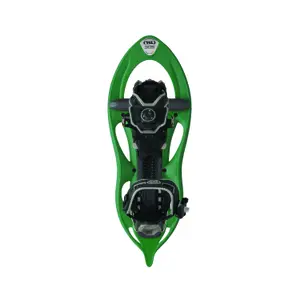
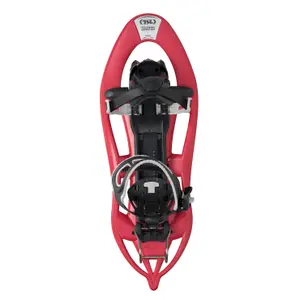
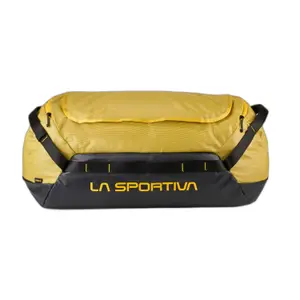
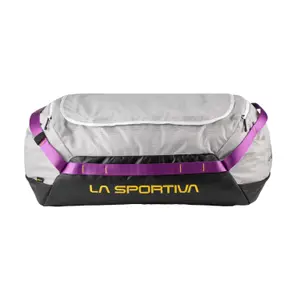
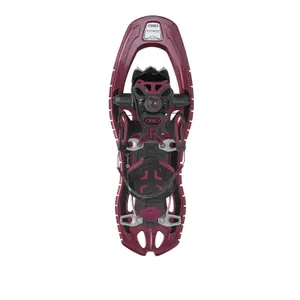
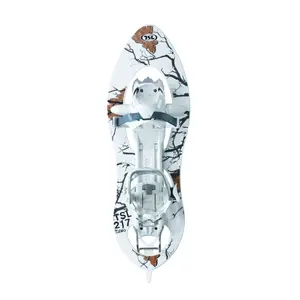
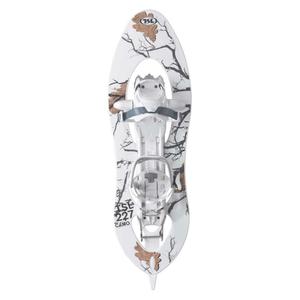
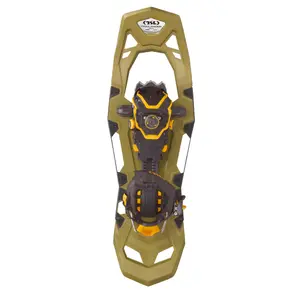
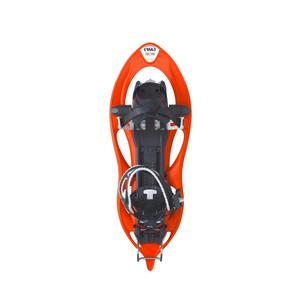
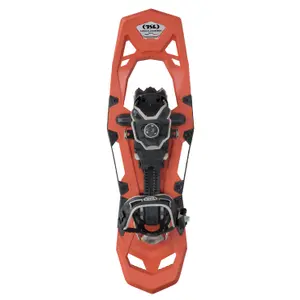
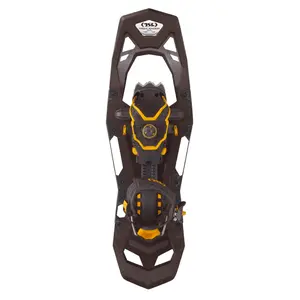
A bag, like those from Head, or a bag for multiple pairs, such as the Rossignol Hero, protects the skis and edges during transport. The equipment is completed with boots, poles, glasses, clothing, accessories, snowboards, snowshoes, on the winter sports page.
Bindings: adjusting the release value
The binding connects the boot to the ski and must release in the event of a fall to protect the knees. Its release value, often referred to as DIN, is calculated based on weight, height, age, boot sole length, and skier level, according to ISO 11088 standards. This adjustment is entrusted to a workshop equipped with a testing bench and is checked with each change of boots. The brand Look, founded in 1951 in Nevers by Jean Beyl, was a pioneer in safety bindings; Rossignol, Dynastar, and Head are also key references in the field.
Frequently asked questions
What ski should a beginner choose?
A short, flexible, and fairly narrow ski, around seventy to eighty millimetres underfoot, turns easily at low speed and forgives mistakes. A slight rocker in the tip helps initiate turns; a model that is too stiff or too long can quickly tire the legs.
Can you wax skis without an iron?
Yes, a liquid or paste wax can be applied cold with a sponge and works as an interim solution between hot wax jobs. It lasts less long, for a few days of skiing, because it does not penetrate the base as deeply as melted wax applied with an iron.
How should you store skis in the summer?
Clean the base, then apply a thick layer of wax without scraping it off: it protects against oxidation until winter. Store the skis in their bag, in a dry place and protected from large temperature fluctuations.
What’s the difference between an all mountain ski and a piste ski?
The piste ski, narrower and often stiffer, emphasises grip and responsiveness on groomed snow. The all mountain ski, wider at the waist, maintains good performance on the piste while performing better in fresh snow: it's the versatile choice for enjoying the whole resort.
Should you get your skis sharpened in a shop or do it yourself?
Basic maintenance, such as stone grinding and waxing, can be done easily at home with an angle guide and vices. A complete sharpening after a shock, or a base grind with a machine, is best left to a professional workshop.






