
Winter sports shoes


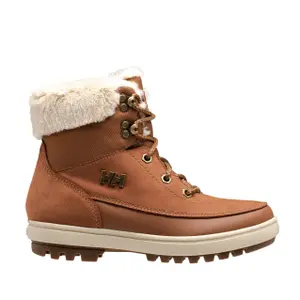


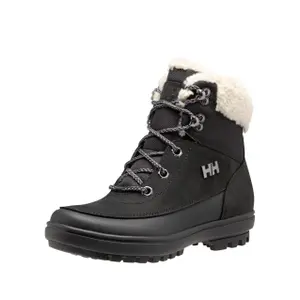


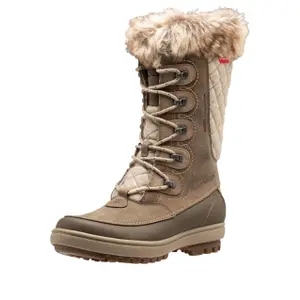


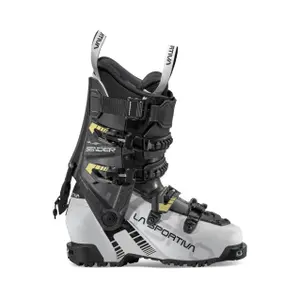
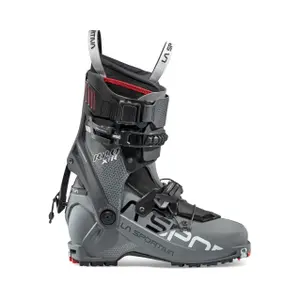
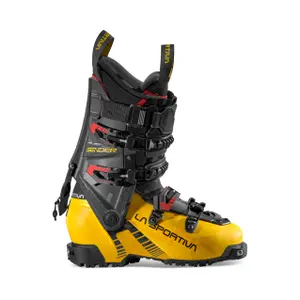


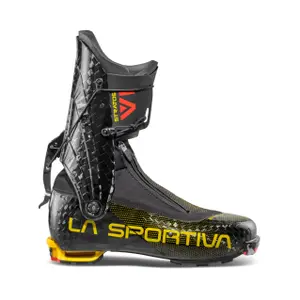

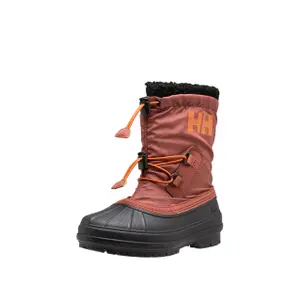
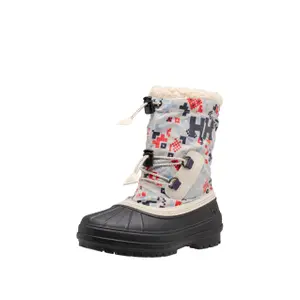
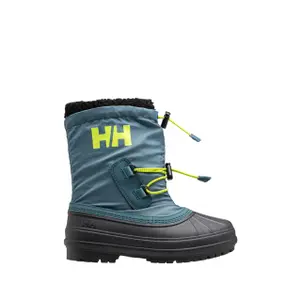
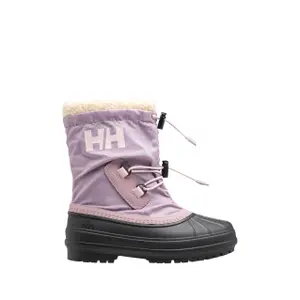


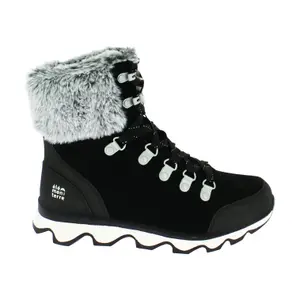


The shoes page for winter sports features alpine and hiking ski boots, snowboard boots, après-ski footwear, and snow boots from Head, La Sportiva, Moon Boot, Kimberfeel, Élémenterre, Reima, and Helly Hansen. On the slopes, climbing to a summit, or in the streets of the resort, each activity has its own shoe, with its own stiffness and insulation.
On the slopes and around the chalet, every shoe has its role.
Flex Index, Width and Mondopoint Size
Alpine ski boots are first chosen based on their flex index, which indicates their resistance to forward bending: around 60 to 80 for a beginner, who needs flexibility to bend, up to 130 and beyond for an expert or competitive skier. The Raptor range from Head, designed for racing, is at the top of this scale. Next comes the width of the boot, measured in millimeters at the front of the foot: less than a hundred millimeters for racing models, more for comfortable boots. The size is expressed in Mondopoint, which means the length of the foot in centimeters.
Backcountry Skiing and Snowboard Boots
A backcountry ski boot must function well both for walking and skiing. The very light La Sportiva Kilo exemplifies this type of boot: a lever releases the cuff for walking mode to gain motion in ascents, then locks it for descent, and inserts at the front and back clip into the bindings. Its treaded sole grips on rocky paths. The snowboard boots from Head use a BOA system: a dial tightens a fine steel cable and distributes the pressure over the whole foot, adjustable without removing your gloves. Softer than ski boots, they allow ankle flexion to control the board.
Moon Boot and Après-Ski for the Resort
The Moon Boot was inspired by an image: on July 20, 1969, Giancarlo Zanatta, head of the Italian manufacturer Tecnica, watches Neil Armstrong step onto the Moon and takes inspiration from the astronauts' boots. The model was released in 1970, featuring a quilted nylon upper and a thick sole. The Icon version continues this design, while the Low offers a lower variation. Other après-ski boots from Kimberfeel, Élémenterre, Whistler, or Helly Hansen focus on an insulating lining, waterproof upper, and a treaded sole that grips on packed snow and icy sidewalks in the resort.
Maintenance and Accessories
Ski boots should dry with the shell open and liner removed if possible, away from any source of direct heat that could deform the shell. Après-ski boots should be brushed and dried at room temperature. Ski maintenance products, like Vola sole repair guns, and boot dryers complete the gear. The pages ski boots, après-ski, shoe accessories detail each category, while snowshoes, textiles, skis, snowboards, goggles, accessories, and ski poles round off the page on winter sports.
Après-Ski and Snow Boots for Children
For a child, the après-ski must primarily be easy to put on by themselves, with gloves on: wide opening, Velcro or quick lacing, heel loop. The Reima Laplander, designed by a Finnish brand specializing in children's clothing, is an example with its waterproof upper and warm lining. The sole should remain flexible for walking and playing in the snow, and treaded for grip on icy paths. For size, keep about a centimetre of space at the end of the foot for thick socks and blood circulation: a boot that's too tight will chill the foot, while one that's too big will let it slide and rub.
Frequently Asked Questions
How do I know if a ski boot is the right size?
With the boot buckled and standing, the toes should barely touch the front; bending the knees will push the heel back and settle it at the back. A boot that feels comfortable during the fitting is often too big, as the liner will pack down after a few days of skiing.
Can you walk in alpine ski boots?
Only a few steps: the rigid shell and smooth sole make walking difficult and slippery. GripWalk soles, which are thicker and treaded, improve grip, provided that compatible bindings are used.
What size of Moon Boot should I choose?
Moon Boots are often offered in half sizes, with a soft upper that adapts to the foot. If your size falls at the top of a range, the next size up allows more room for a warm sock.
Après-ski or hiking boot for the resort?
Après-ski boots provide more insulation and protect from deep snow thanks to their high cuff, perfect for waiting and strolling in resort. For long walks on snowy trails, a lighter, more supportive boot will be less tiring.
Is the BOA tightening system on snowboard boots reliable?
Yes, the coated steel cable and the dial perform well in cold and snow. The tightening remains even throughout the day, and a simple tug on the dial releases the cable for easy removal at the end of the day.






