
Ski goggles and masks


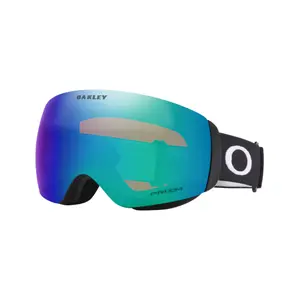
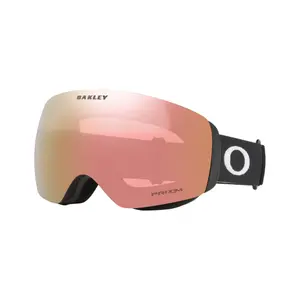
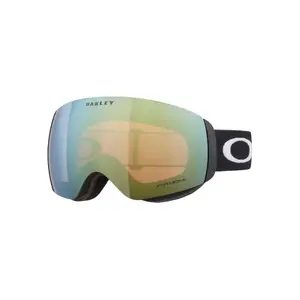
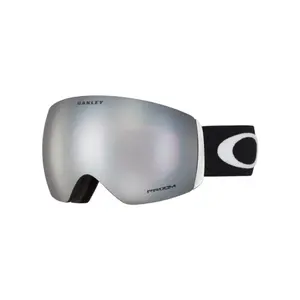
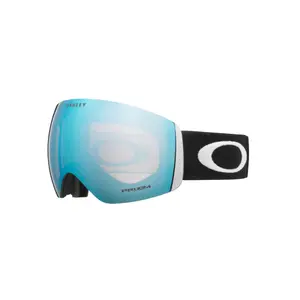
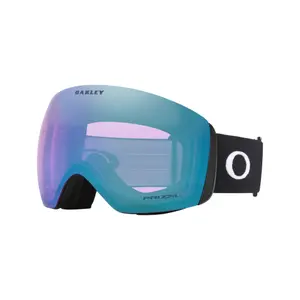
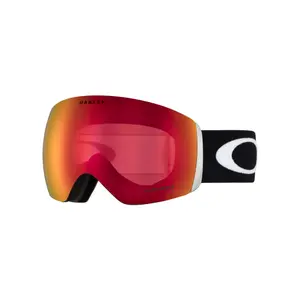
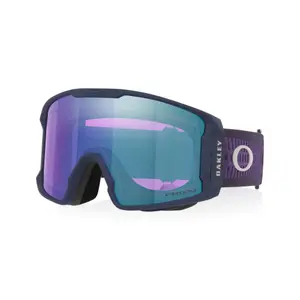
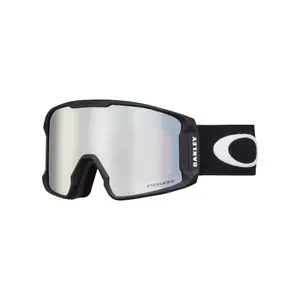
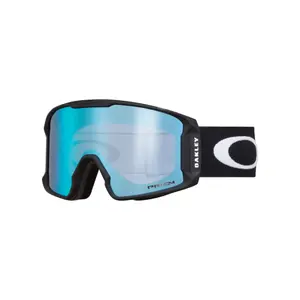
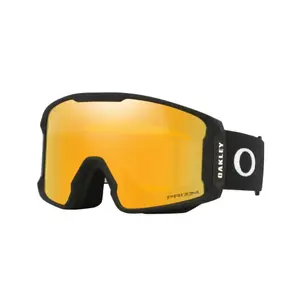
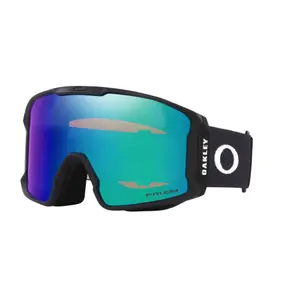
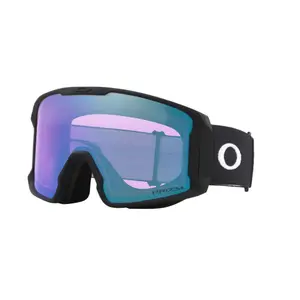
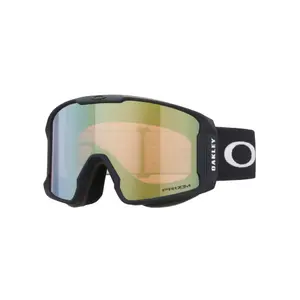
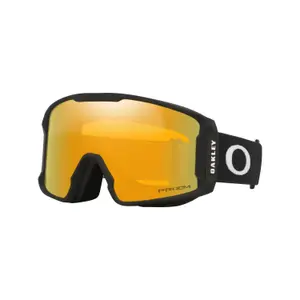
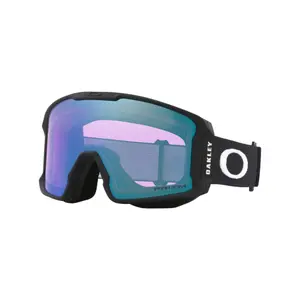
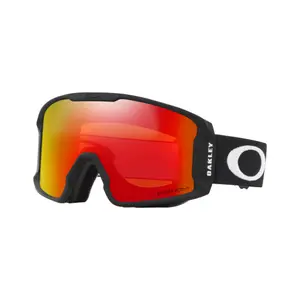
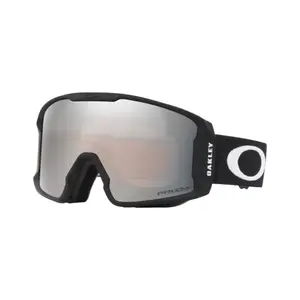
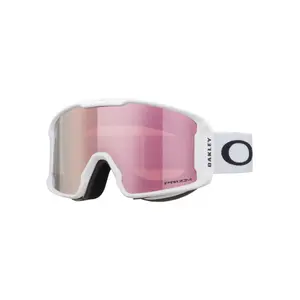
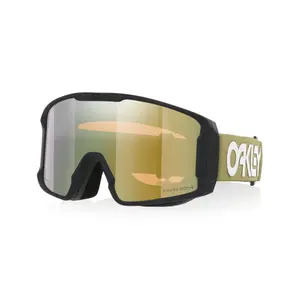
The ski goggles and masks page brings together masks, replacement lenses and goggles from POC, Head, Cairn, Casco, Rossignol, Roxy, Aphex, Red Bull Spect, Pit Viper or DLX. Casual skiers, freeriders and children can find a mask suited to the light, their face and their helmet, from bright sunlight on the glacier to the fog of whiteout days.
Seeing the snow clearly means skiing safer and with less fatigue.
Categories zero to four: what lens for what light
The category of a lens indicates how much light it filters. Categories one and two, often tinted yellow, orange, or pink, let through more light and enhance contrasts in cloudy weather, fog, or white-out conditions, when bumps disappear. The category three, which absorbs eighty-two to ninety-two hundredths of light, is for bright sunny conditions. The category four, even darker, is reserved for high mountains and glaciers; it is not suitable for driving. Protection against ultraviolet rays, it does not depend on the tint: a clear lens can filter as much as a dark one.
Photochromic, magnetic or polarised: lens technologies
A photochromic lens darkens when light increases and lightens when it decreases: the POC Fovea Photochromic or the Casco Magnet Link Vautron thus cover categories one to three with a single lens. The Casco combines this variable tint with a polarised lens, which reduces harsh glare from the snow, and a magnetic attachment that allows for a quick lens change in a matter of seconds. Replacement lenses, like those from Red Bull Spect, and Head Cinema lenses allow you to adapt the same mask to the day's weather instead of buying a second one. A dark lens for sunny weather and a clear one for bad weather make for the most versatile pair.
OTG masks, Mid format and children’s models
The OTG masks, for over the glasses, like the Cairn Genius OTG, offer an interior volume and cut-out foams that allow prescription glasses to fit without pressing on the temples. The Mid versions from POC, like the Fovea Mid or the Retina Mid, replicate the adult models in a narrower format, suitable for slim faces and teenagers. For younger children, the children’s masks from Cairn, like the Rush or the Neoface, adjust to a smaller head size. In all cases, the mask should be tried on with the helmet: it should fit snugly without leaving a gap at the forehead, where cold air can get in, and should not be pushed down on the nose.
Winter equipment
Complete your gear with accessories, ski clothing, skis, snowboards, boots, poles, snowshoes, on the winter sports page.
Avoiding fog and caring for your lens
Fogging occurs due to the temperature difference between the warm air from your face and the cold lens. Double lens masks trap an insulating layer of air between two lenses, greatly reducing condensation, aided by an anti-fog treatment applied to the inside. This treatment is delicate: never wipe the inside with a glove or tissue, let it dry in the air, and then dab it with the microfibre pouch provided. Avoid pulling the mask up on your forehead during breaks, where the heat from your head can cause it to fog up; it's better to keep it on your eyes. Stored in its pouch, the lens won't get damaged from contact with edges, keys, or a zip in your bag.
Frequently asked questions
Mask or sunglasses for skiing?
The mask covers the entire eye area, stays in place during a fall, and protects against wind and snow. Wrap-around sunglasses are reserved for mild spring days or hikes, where you sweat more.
What glasses for cross-country skiing?
Cross-country skiing makes you sweat a lot: lightweight, wrap-around sports glasses that are well-ventilated fog up less than a mask. A category three lens is suitable for sunny weather, while a clear or photochromic lens works for grey days.
At what age should a child wear a ski mask?
From their first slides: children's eyes are more sensitive to ultraviolet rays, which are intensified at altitude by reflection on the snow. A well-fitted junior mask also protects against branches and falls.
How long does a ski mask last?
A mask stored properly in its pouch can last several winters. It should be replaced when the lens is scratched to the point of hindering vision, when the foam peels off, or when the elastic no longer holds the mask on the helmet.
Is a photochromic mask sufficient for all conditions?
It covers most days in the resort, from overcast conditions to bright sunshine. For glaciers or extremely high altitudes, where the light is harsh, a category four lens is still necessary.






