
Women's ski baselayers


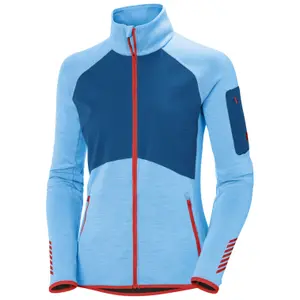

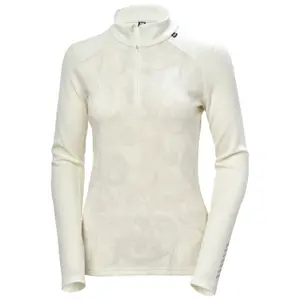

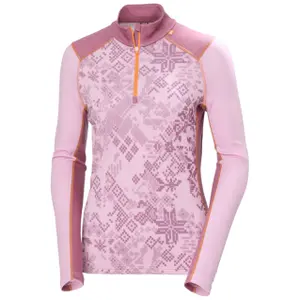
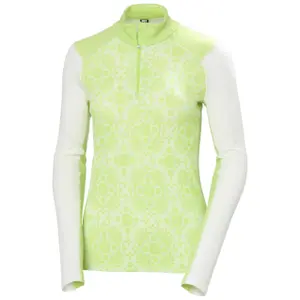

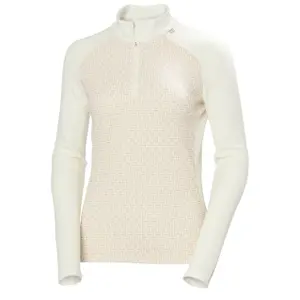
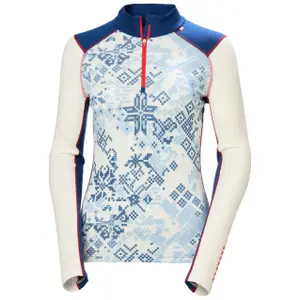
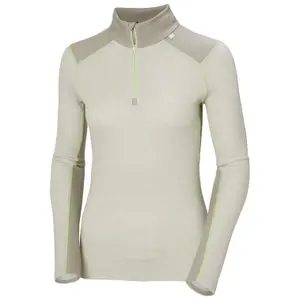


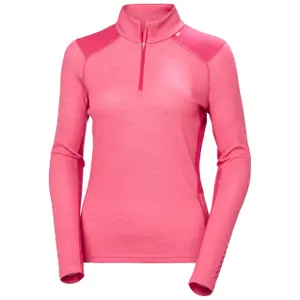
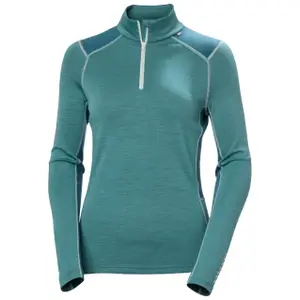


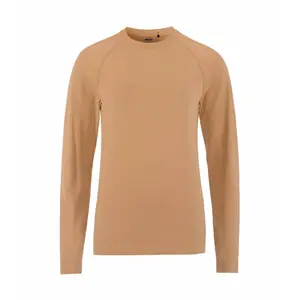

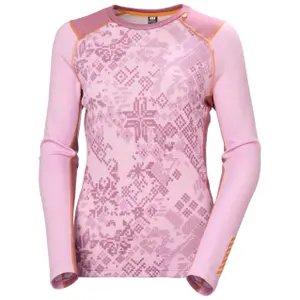
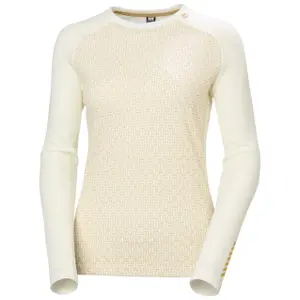
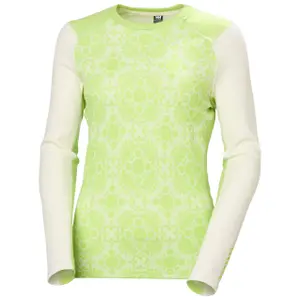
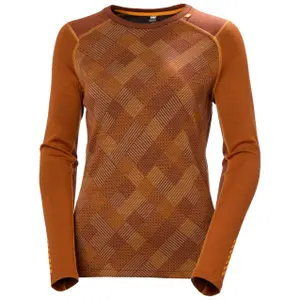


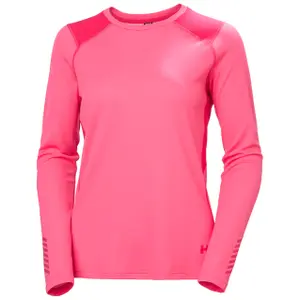
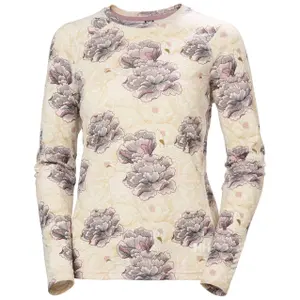
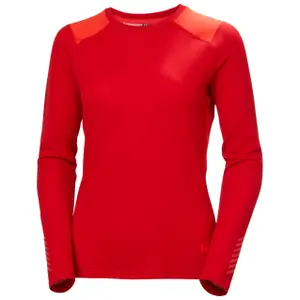

The women's ski baselayers page brings together the layer worn directly against the skin: merino wool base layers Kari Traa Rose, synthetic tops Craft and X-Bionic Symbio, first skin t-shirts Peak Mountain, long-sleeve tops La Sportiva, Head or Whistler. Cuts designed for the female form, that keep the skin dry from the first turn to the last lift.
The layer that touches the skin, the one that determines whether we feel hot or cold on the slopes.
Keeping dry skin: the mission of the base layer
A ski base layer is primarily used to wick away sweat, before keeping you warm. On the slopes, you alternate between intense effort and long minutes sitting still on the chairlift: if moisture stays on your skin, it cools the body with every stop. The baselayer captures this moisture and transfers it to the fleece and jacket, through capillarity for synthetic fibres, and by absorption within the fibre for wool.
To work properly, it must be in contact with the skin all over: we choose a snug fit, with sleeves that cover the wrists. Models with flat seams prevent irritation under the straps of ski pants and the straps of your backpack.
Kari Traa Rose: the merino wool designed by a champion
The Kari Traa Rose range, made from merino wool with Norwegian-inspired patterns, carries the signature of the brand founded in 2002 by Kari Traa, a mogul skier from Voss and Olympic champion in Salt Lake City the same year. During her career, she knitted her own hats, due to the lack of clothing designed for female athletes: her brand was built around this idea.
The merino has two advantages for skiing: it continues to insulate even when wet and naturally limits odours, allowing you to wear the same top for several days. The Rose comes in a round neck version and a half-zip version, which is easier to ventilate during an uphill climb.
Technical synthetic: Craft, X-Bionic and Peak Mountain
Synthetic fibres dry faster than wool and can withstand frequent washing better: they are suitable for female skiers who sweat a lot or practice ski touring. Craft, a Swedish brand founded in 1977 in Borås, works with lightweight knits like the one in its Active Comfort shirt. X-Bionic, established in Switzerland in 1998, is known for its textured knitted structures, which use sweat to cool the body during exertion and protect it from the cold at rest; the Symbio takes this principle further.
The first skin t-shirts Peak Mountain Ana and Anoy, as well as the Whistler Candee from the Danish brand, provide a simple and effective base for days on the slopes.
Women's ski clothing
Women's clothing is complemented by fleece, ski jackets, ski trousers, down jackets, suits, on the women's page.
Long sleeves, half-zip and leggings: putting together your outfit
The long-sleeve shirt remains the foundation, whatever the weather: under the jacket, it protects the arms from friction and maintains a consistent warmth. The La Sportiva Tour, from the Italian company established in 1928 in the Val di Fiemme, targets ski tourers; the Head Aster and the Whistler Blume are suitable for days on the slopes. The half-zip collar opens during climbs and closes when on the chairlift.
For the legs, pair it with leggings made from the same material; three-quarter length, stopping above the boot, avoids any bulk in the shoe. A slightly longer torso stays tucked into the trousers when bending over to fasten your boots.
Frequently asked questions
Merino or synthetic for a week of skiing?
For several consecutive days, merino is the winner: it limits odours and can be worn for two or three days without washing. Synthetic, which dries faster, should be washed every night and is better suited for intense effort days.
What size should I choose for a women's ski base layer?
If in doubt, go for the most snug size: the base layer should fit the body closely without compressing. Women's brands like Kari Traa offer torso and sleeve lengths suited to female body shapes.
Can I wear a cotton t-shirt under a ski jacket?
This should be avoided: cotton absorbs sweat and holds it against the skin, which cools down with every stop. A technical base layer, even a thin one, remains more comfortable all day long.
How many layers to wear in extreme cold on the slopes?
Three layers are generally enough: a base layer, a fleece or light down jacket, then the jacket. In extreme cold, it's better to choose a thicker merino base layer rather than adding layers that restrict movement.
How to prevent a merino base layer from shrinking?
Wash it at a maximum of thirty degrees, on a wool programme, using suitable detergent and a gentle spin. Dry flat, never in a tumble dryer or on a radiator, as heat felts the wool and reduces the size of the garment.






