
Clearance adidas at discounted prices



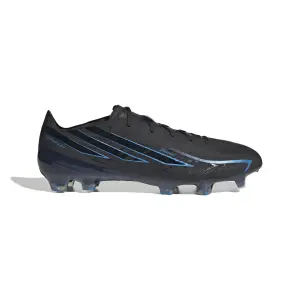
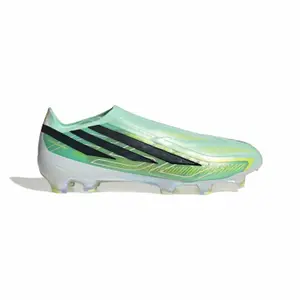
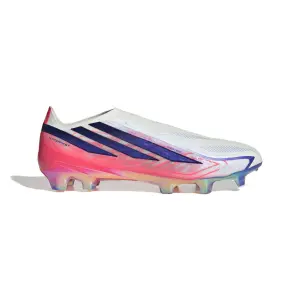
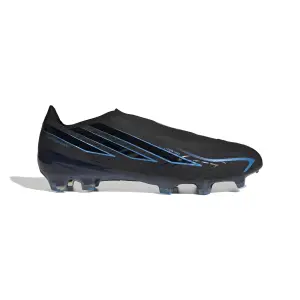

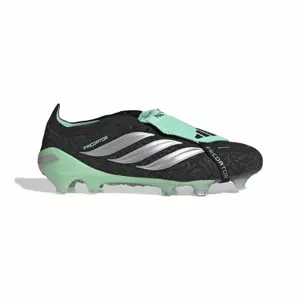
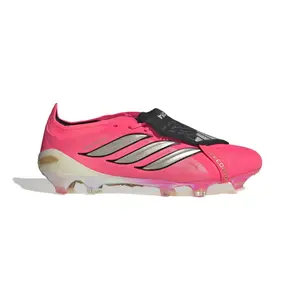

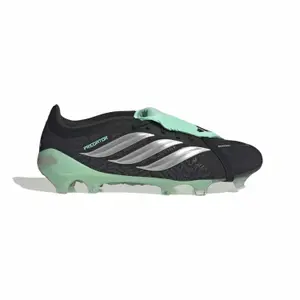
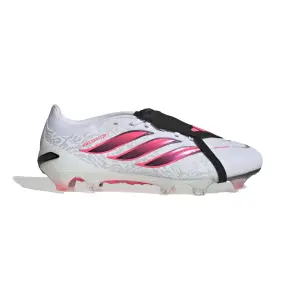
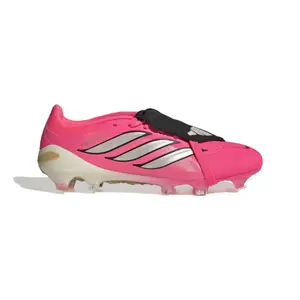


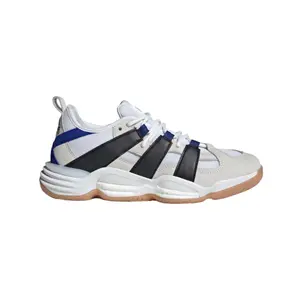
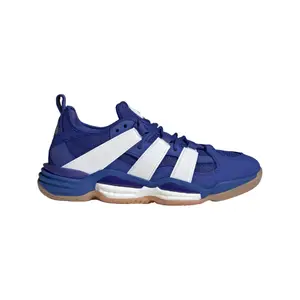



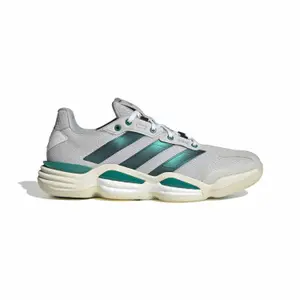
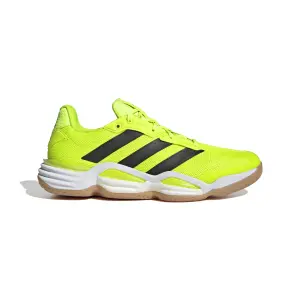
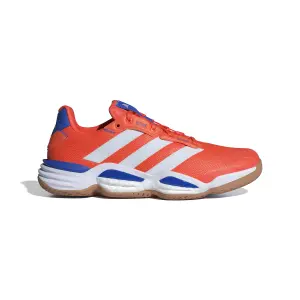
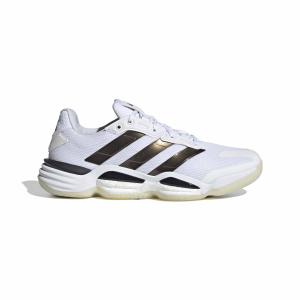
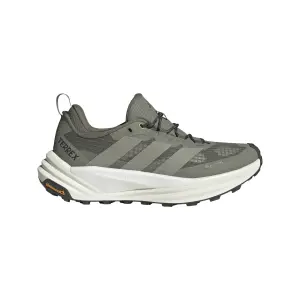
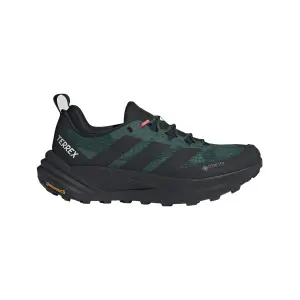
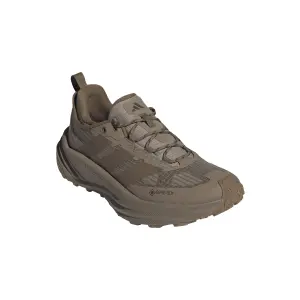
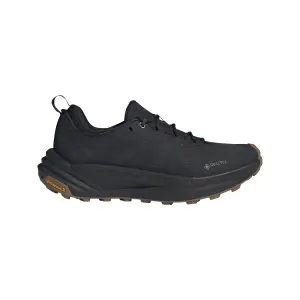



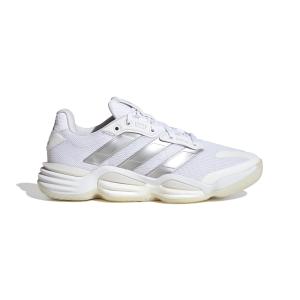





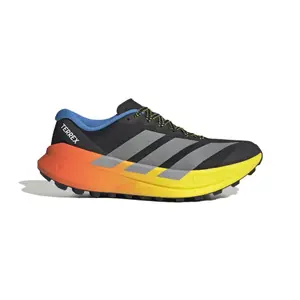
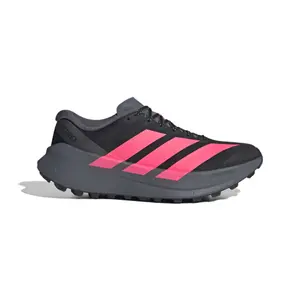


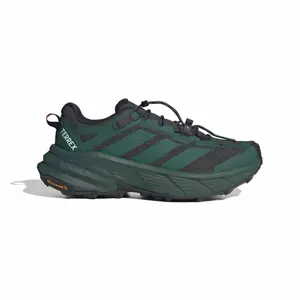

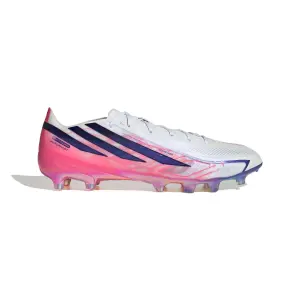
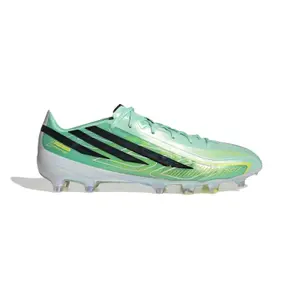




The adidas clearance brings together the end of range items from the brand with the three stripes: football boots, running and casual shoes, jerseys and training apparel, offered at reduced prices all year round. These are new items from previous collections or older colourways, which will not be restocked once the sizes are sold out.
A previous generation or an old colourway, for a softer price.
The three stripes, from running shoes to jerseys
Founded in 1949 in Bavaria by Adi Dassler, adidas has built its reputation on technical innovation: screw-in studs for football from the 1950s, lightweight shoes for athletics, and later jerseys and textiles. The three stripes, originally stitched onto the sides of shoes to secure the foot, can now be found on jacket sleeves as well as shorts. This continuity explains why a discontinued adidas item remains appealing: the technology of a shoe or jersey changes little from one colourway to another, and the same cuts and range names are found from year to year.
Predator, Adizero, Originals: the ranges you’ll find in clearance
In football, the Predator, designed in 1994 by former player Craig Johnston with a rubber upper to strike the ball better, and the F50, made for speed, regularly return in new colourways, leaving the old ones in clearance. In running, the Adizero range includes lightweight training fast and competition models, while the more cushioned models are aimed at daily runs. Club and national team jerseys change every year, with those from the previous year going into clearance. The Originals line finally brings together archive sneakers with the trefoil.
Check size and surface before ordering
The first instinct is to measure your foot in centimetres and compare the result to the size guide adidas, rather than relying on your usual shoe size: archive models like the Samba fit snugly, while newer running shoes offer more volume. For football shoes, the sole must match the surface: FG for natural grass, AG for synthetic, IN for indoor, TF for firm ground. For a jersey, the authentic fit, worn by players, is closer to the body than the supporter version, which is looser.
What changes between an old model and a new one
The difference between a clearance item and the model that replaces it is often minimal. When only the colourway changes, the shoe or garment is strictly identical: same shape, same materials, same sole. When the brand releases a new version of a range, changes mainly involve the upper, which is lighter, or the foam in the sole: the previous version remains perfectly suitable for training and amateur competition. For a club jersey, only the design changes from year to year. The clearance items from other manufacturers are listed on the brands page of the clearance.
Outfitting a team or a family in adidas
For a club or a sports school, the clearance items adidas allow to outfit an entire group. The Tiro range, created for football training, includes tapered trousers with zip ankles, jackets, and sweatshirts, often carried over from year to year with simple colour changes. The team jerseys can easily be printed with a number and a name. The key is to check, before ordering, that all the desired sizes are available in the same model and colourway, as the stock will not be replenished.
Frequently asked questions
Are the adidas items in clearance brand new?
Yes, these are brand new items, never worn, from discontinued ranges or old colourways. They show no defects: only the remaining sizes and colours are limited, as the brand no longer makes them.
Why are very large and very small sizes still available?
Average sizes sell out first, so the clearance often mainly features sizes at the ends of the range. Those with narrow or very long feet often find more choices than in standard sizes.
Is last season's jersey worth it?
Yes, for wearing your club's colours daily or for training: its material and finishes are the same as when it was released. Older jerseys can even become sought-after pieces for collectors over time.
How to choose your adidas clothing size without trying it on?
Measure your chest and waist circumference, then refer to the brand's size guide. You can also measure a well-fitting garment flat and compare it with the dimensions of the chosen model.
Do archive adidas sneakers also go on clearance?
Yes, older colourways of the Samba, Stan Smith, Superstar, or Gazelle also end up in clearance. These are models that are strictly identical to the current versions, with the colour being the only change.






