
The clearance Nike at discounted prices


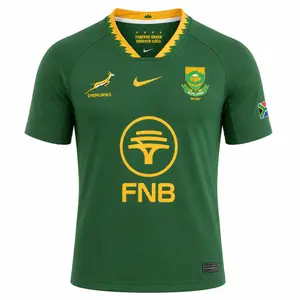
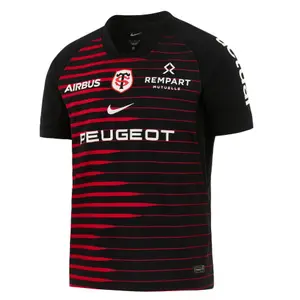
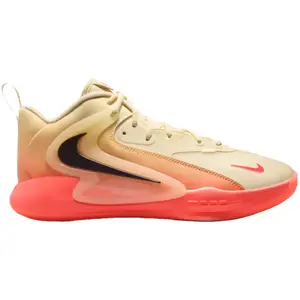


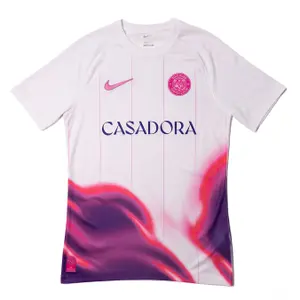
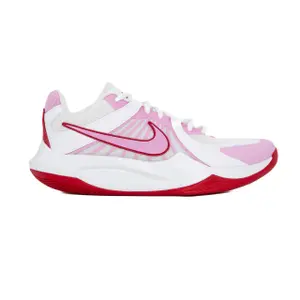
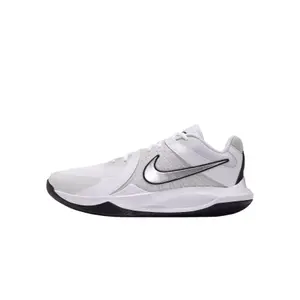
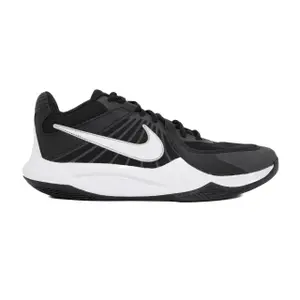
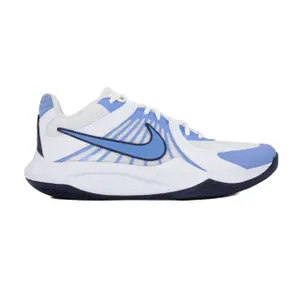
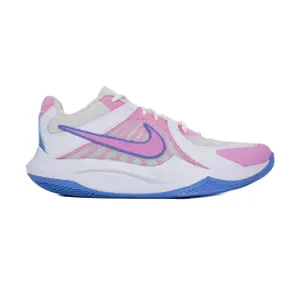
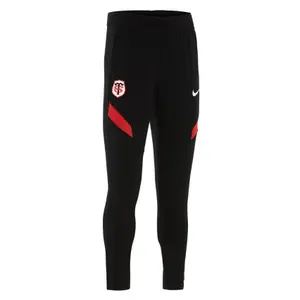


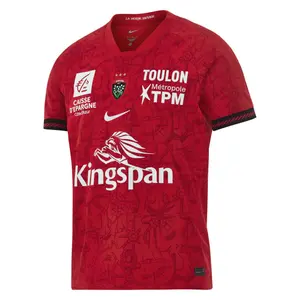
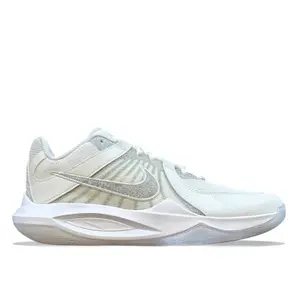
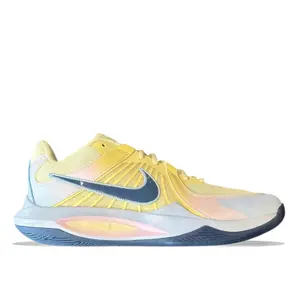
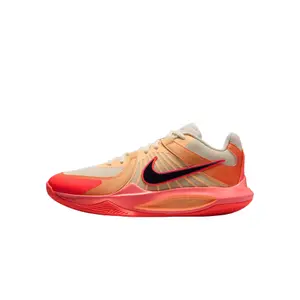


The clearance sale of Nike brings together last season's items from the Swoosh brand: running shoes, football boots, and casual shoes, jerseys, and sportswear. Outdated colours and previous generations of key models, which maintain the design that built their reputation and are selected based on usage, shoe size, and terrain.
A model from the previous generation often remains very similar to the new one, but at a friendlier price.
From Blue Ribbon Sports to the Swoosh: the beginnings of Nike
Nike was born in 1964 under the name Blue Ribbon Sports, created by Phil Knight, a former middle-distance runner from the University of Oregon, and his coach Bill Bowerman. The company initially imported Japanese shoes, then adopted the name of the Greek goddess of victory and the Swoosh in 1971, designed by Carolyn Davidson, who was then a graphics student in Portland. Bowerman, obsessed with lightweight design, poured a sole in the family waffle iron: the waffle sole equipped the Waffle Trainer, released in 1974.
The next innovation came in 1979 with Air cushioning, a pocket of pressurized gas housed in the sole, made visible in 1987 on the first Air Max designed by Tinker Hatfield.
Pegasus, Vomero, Air Force One: models that transcend generations
The end-of-line Nike often pertains to models that are regularly updated. The Pegasus, launched in 1983, is the brand's versatile training shoe: balanced cushioning, natural stride, it suits daily jogging as well as preparing for a half-marathon. The Vomero focuses on thicker cushioning for long runs and runners looking for softness.
In the city, the Air Force One, released in 1982 as the first basketball shoe featuring Air cushioning, and the Dunk, which was introduced in 1985 for college teams, are constantly reissued in new colours. A replaced colour does not change the shoe: the construction, sole, and fit remain identical.
Choosing your Nike running shoes based on your activity
For beginners or those running three times a week, a versatile and cushioned shoe like the Pegasus is more than enough. Long runs and heavier runners benefit from more generous cushioning, like that of the Vomero or the Invincible, whose ZoomX foam, very light, returns a good amount of energy. For competition, models with a carbon plate, such as the Vaporfly or the Alphafly, combine this foam with a rigid plate, at the cost of less stability and a shorter lifespan.
Wide feet find more comfort in the extended versions offered on some models or in a soft mesh upper that stretches without compressing the front of the foot.
End-of-line: what you need to know before buying
An end-of-line Nike is an item whose production stops or whose colour is replaced: it will not be restocked, and the most common sizes disappear first. A previous generation of running shoe remains very close to the next, with changes often relating to the upper or a few millimeters of foam, and a club jersey from a past season retains the same construction as the new one. Checking your foot length in centimeters using the Nike guide rather than relying on an old pair avoids unpleasant surprises.
End-of-line items from other manufacturers are sorted by brand on the brands page of the clearance sale.
Maintaining your Nike to make them last
A well-maintained pair retains its cushioning and appearance for longer. Running shoes should be cleaned by hand, with lukewarm water and mild soap, and then air-dried, stuffed with newspaper: washing machines and tumble dryers degrade the foams and glue. Switching between two pairs allows the foam time to regain its volume between runs.
The leather of a white Air Force One is cleaned with a soft brush and a cleaning foam, and the sole regains its whiteness with a rubber eraser. The Dri-FIT textile, made of polyester, washes at thirty degrees without fabric softener, which clogs the mesh and reduces its ability to wick away sweat.
Frequently asked questions
Which country does Nike come from?
Nike is an American brand, founded in 1964 in Oregon, where its headquarters still are, in Beaverton, near Portland. Its shoes are now made by partner factories, mainly in Asia.
Which Nike for a first marathon?
Focus on comfort: a very cushioned and stable shoe that you will have worn during your long training runs. Competition models with plates are reserved for experienced runners and should never be revealed on race day.
Which Nike shoe for Hyrox?
Hyrox alternates running and strength stations, like sled pushes or lunges: a stable and grippy shoe is preferred over a plate model. A versatile training shoe with a low, wide sole is more suitable than a very high and soft model.
What is Nike Tech Fleece?
It’s a technical fleece launched by Nike in 2013, which traps a thin layer of air between two jersey surfaces to keep warm without bulk. It mainly features zip-up sweatshirts and fitted joggers, which have become staple pieces of urban sportswear.
Do Nike shoes fit small?
They often fit a bit snugly, especially running and football models with a fitted upper: many customers take a half-size up. Measure your foot in centimeters at the end of the day and compare with the brand’s size guide.






