
Sac sleeping bags on clearance


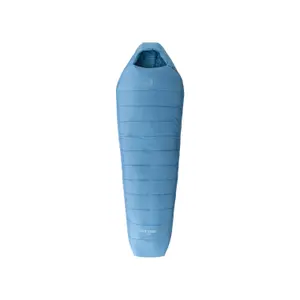


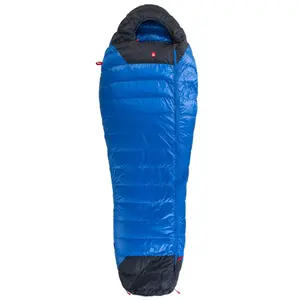
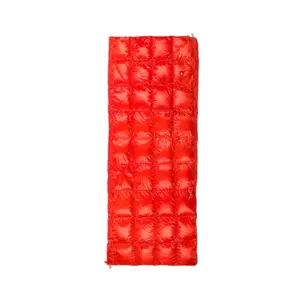
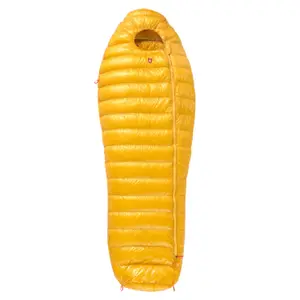
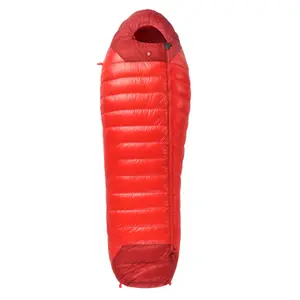
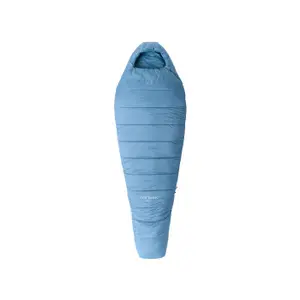


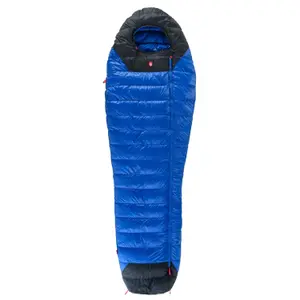


The clearance sleeping bag combines end-of-line bags for all nights outdoors: down mummy bags Nordisk and Pajak for cold and mountain conditions, synthetic bags Regatta, Trespass and Whistler for family camping, blanket bags and children's models. Comfort temperature, filling and shape: each bag is chosen according to the season and the weight one is willing to carry.
Sleep well under the tent, at a softer price.
Reading Comfort and Limit Temperatures
Since 2016, the ISO 23537 standard, which replaced EN 13537, regulates the labeling of sleeping bags for adults. The comfort temperature indicates the threshold at which one sleeps without feeling cold, in a relaxed position; it is calculated for a reference woman, who is more sensitive to the cold. The limit temperature, calculated for a reference man, corresponds to a night spent curled up to retain heat. Therefore, one chooses their bag based on the comfort temperature for the coldest expected nights, keeping a margin of a few degrees if they tend to feel cold, and not forgetting that humidity and wind can make it feel even colder.
Other End of Line Items
Camping clearance also includes:
All end of line items are gathered on the camping page.
Down or Synthetic: Weight, Warmth and Humidity
Down, light feathers taken from the plumage of geese or ducks, offers the best warmth-to-weight ratio and compresses to a very small volume: it is the filling used in mountain and trekking bags, such as those from Nordisk, a Danish company specializing in down since 1901, or Pajak. Its limit: when wet, it collapses and loses its warmth. Synthetic, made from hollow polyester fibers, remains insulating even when wet, dries quickly, and is easy to wash: it's the choice for family camping and wet terrains, like the Regatta Montegra or the Trespass Envelop. However, it weighs more for the same temperature.
Mummy, Blanket and Left or Right Opening
The mummy shape, narrow at the feet and with an adjustable hood, reduces the volume of air to heat: it's the warmest for the same weight, like the Nordisk Bjarni, Knuth or Walløe. The blanket shape, rectangular, allows leg movement and often opens completely to serve as a duvet, like the Pajak Quest Blanket: ideal in summer, under the family tent or in a camper. The opening on the left or right, specified on the Pajak Core, allows two compatible bags to be joined into one double bag, provided they have zippers of the same type and length, one on the left and one on the right.
The children's bag is shorter and warmer
A children's bag, like the Regatta Tilva, is shorter than an adult bag: the child leaves less empty space to heat up and sleeps better warm. An adult bag that’s too big can bunch up at the feet, but the air inside remains cold all night. For a chilly child, leave a margin of several degrees on the stated temperature. In terms of maintenance, air out the bag every morning, dry it completely after the trip, and store it decompressed, in a cotton sack or hung up, never packed into its compression sack, which would crush the filling and make it lose its loft.
Frequently Asked Questions
What sleeping bag for camping in summer?
A lightweight blanket bag, with a comfort temperature around ten to fifteen degrees, is sufficient for summer nights. It opens up like a duvet when it's hot and closes when the chill sets in during the early morning.
What sleeping bag for sleeping in a camper?
A rectangular synthetic sleeping bag, machine washable, is the most practical: you can move freely in it and it stores easily. Two bags with inverted openings can even be zipped together for two people to sleep.
How to wash a down sleeping bag?
Wash it rarely, at thirty degrees, with a special down detergent, in a large drum machine. Then dry it thoroughly on low heat in the tumble dryer, with tennis balls to restore its loft.
What sleeping bag for camping in winter?
Choose a mummy bag with a comfort temperature below zero, with an adjustable hood and collar at the shoulders. Down offers the best warmth for its weight, provided it’s protected from moisture.
How much does a sleeping bag for hiking weigh?
For trekking, you often aim for a down bag weighing less than one kilo for nights around zero degrees. An equivalent synthetic model is significantly heavier, but more tolerant to moisture.






