
Clearance Beanies


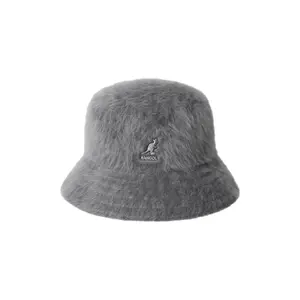


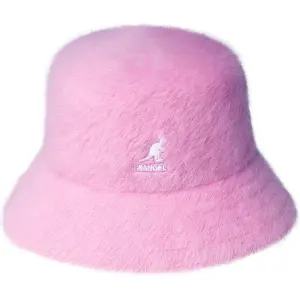


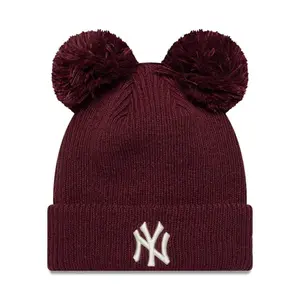
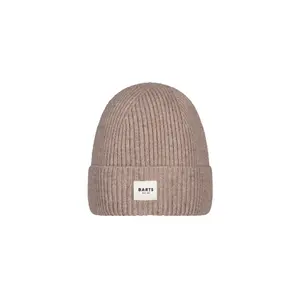
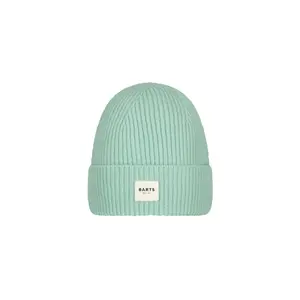
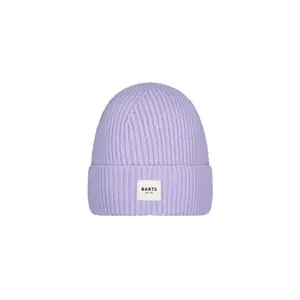
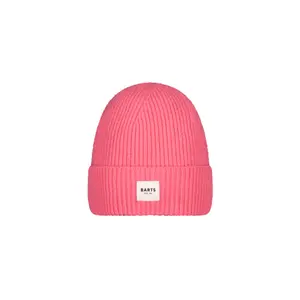
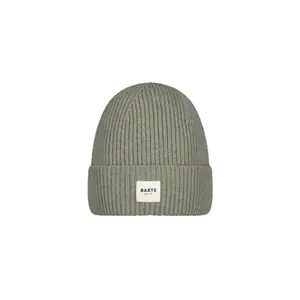
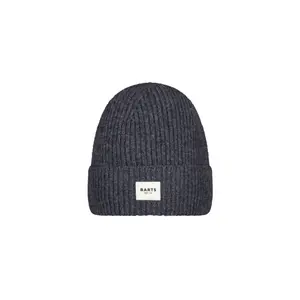

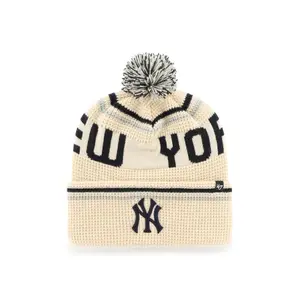
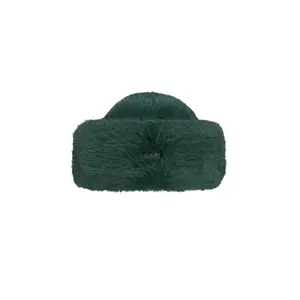
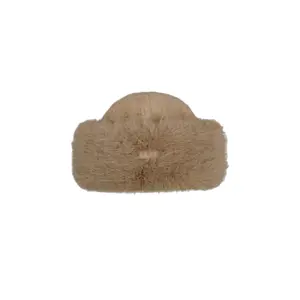
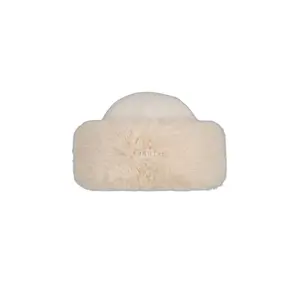
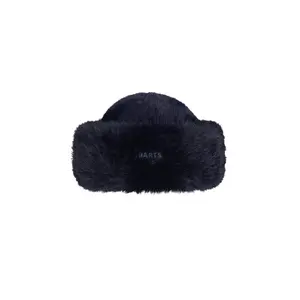
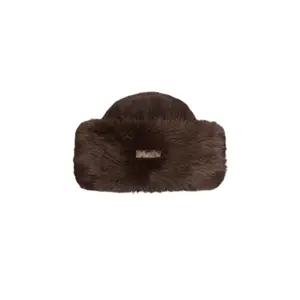


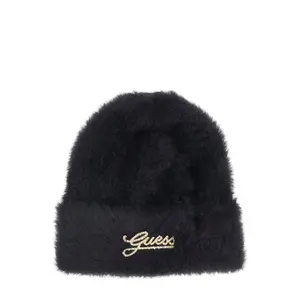
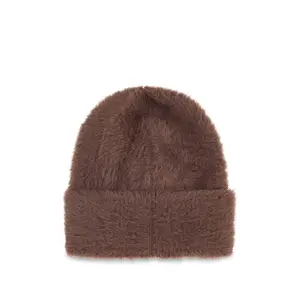


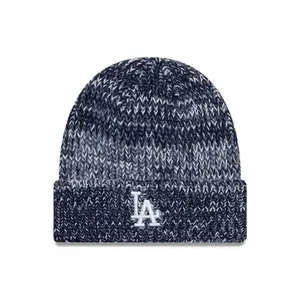
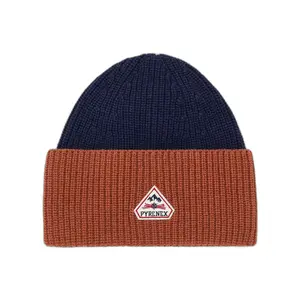


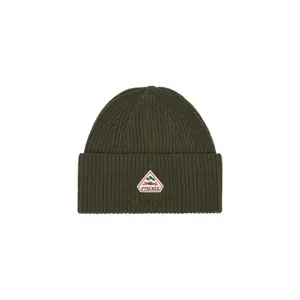
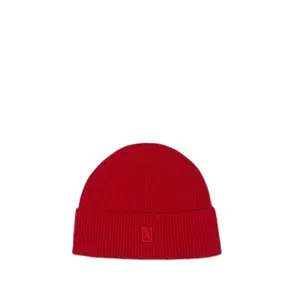
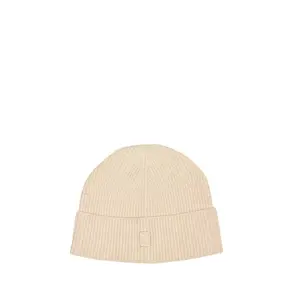
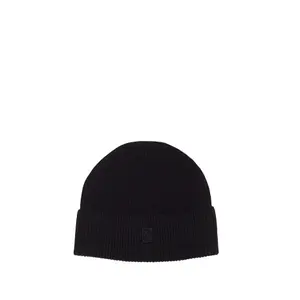
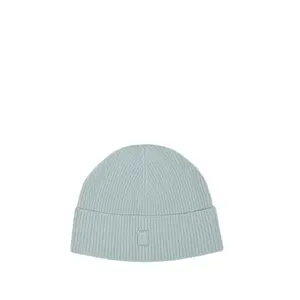
The clearance hats includes last season's hats: Barts Kinabalu, Feodore, Eclipse and Akeya, Lyle & Scott in merino, Colorful Standard with a turn-up, Moss Copenhagen Mojo, Selfhood Fluffy and Rib Block, KAVU Trawler, New Era Dodgers, Dickies Summerdale, and children's hats Didriksons Aspen and Biggles and Reima. Short, turn-up or chunky knit, for adults and children.
Keep your head warm, last season's stock.
Revers, fisherman, chunky knit: the silhouettes
The silhouette of a beanie depends on its height and knit. The reversible beanie, like the Colorful Standard with a simple fold, folds over the ears and can be adjusted whether you want it high or covering. The fisherman, like the KAVU Trawler, whose name recalls trawlers, stops above the ears: inherited from the workwear of sailors and dockers, it sits high on the head. The chunky knit beanie, like the New Era Los Angeles Dodgers Chunky or the Barts Kinabalu, falls slightly at the back and adds volume. Round faces prefer a slightly taller model that elongates, while slender faces prefer a looser beanie.
The other end-of-line items
The clearance of accessories also includes:
- Caps.
All end-of-line items are gathered on the accessories page.
Merino, cotton, fleece: the scratching issue
A beanie itches when the wool fibers are thick: their ends poke the forehead, which is more sensitive than the scalp. Merino wool, with much finer fibers, is soft, warm, and regulates moisture; Lyle & Scott, a Scottish brand founded in Hawick in 1874, pairs it with cotton in one of its beanies. Pure cotton, which is cooler, is suitable for mid-season. Synthetic fibers like acrylic, which are easy to care for, hold their shape well. For reactive skin, a fleece lining on the inner band eliminates any contact with wool, as seen in many Barts beanies.
The pompom, from sailor's hat to winter beanie
The pompom has a history. On the bâchi, the hat worn by sailors of the French Navy, a legend says it originated in 1858 during Empress Eugénie's visit to Brest, but it was initially two-coloured and only became fully red in 1870; more prosaically, the tuft concealed the yarn tail sticking out at the top of the knit. Today, it adds height and a playful touch. The Barts, a Dutch brand that started in 1986 on the beaches of Saint-Tropez before focusing on winter accessories, offers many models with wool or faux fur pompoms, for both adults and children.
Children's beanies: covering the ears and staying in place
For children, a beanie must first cover the ears, which are the first to suffer from the cold, and stay in place during play. The Didriksons Biggles, with flaps that come down over the ears, and the Aspen, from the Swedish brand known for its rainwear, meet this requirement. The Reima Pilkutus, from the Finnish outdoor clothing brand for children, is designed for long days outdoors. For toddlers, a model that attaches under the chin won't fall off, as long as long cords are avoided. The Barts Akeya dresses girls in soft knit. Children's beanies are often washed: it's best to choose a knit that can go in the wash.
Frequently asked questions
How do you measure your head size for a beanie?
Wrap a measuring tape around your forehead and ears, at the widest part of your head. Most adult beanies are one-size-fits-all; for a child, the size corresponds to their head size or age range.
How can you prevent a beanie from pilling?
Pilling occurs from repeated friction. Wash the beanie inside out, by hand or on a wool cycle, and remove the pills with a lint shaver; tightly knit fabrics and long fibers, like merino, hold up better.
Does a beanie damage hair?
A rough knit can rub and electrify hair. A beanie lined with satin or fleece, or made of merino, minimizes friction; also avoid wearing it over wet hair, which dries poorly and breaks more easily.
What beanie is best for skiing or hiking?
A beanie made of merino or technical fiber, fitted and without a large pompom, can fit under a hood and wicks away sweat during activity. Thick chunky knits are better reserved for city wear.
How do you wash a pompom beanie made of faux fur?
Detach the pompom if it's attached with a snap button, then wash the beanie by hand in cold water. The pompom can be cleaned separately with a damp cloth and shaken once dry to regain its fluffiness.






