
Discount tennis shoes


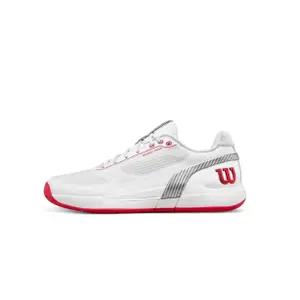
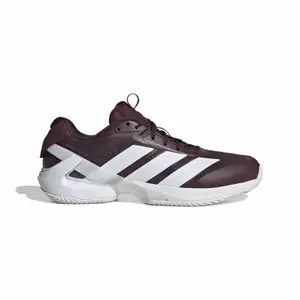


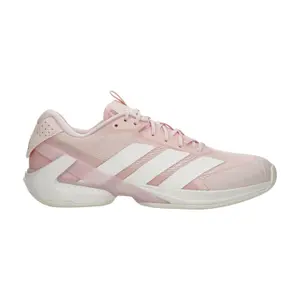

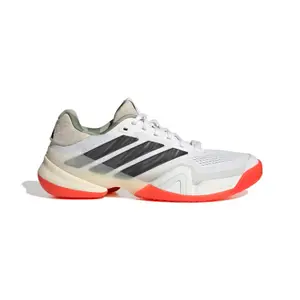
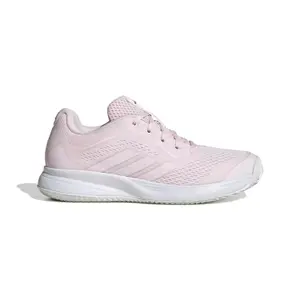


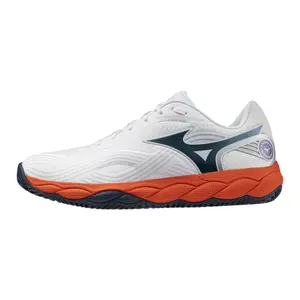
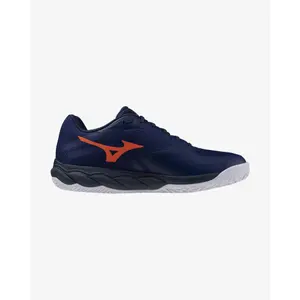


This page brings together the tennis shoes in the clearance section, for men, women, and children. Asics Gel-Resolution, Solution Speed, Gel-Challenger and Gel-Dedicate, Head Revolt, Endure and Sprint, Mizuno Wave Exceed and Break Shot, adidas Adizero Ubersonic and Defiant Speed, K-Swiss Defier: stable models for the baseline, lightweight for the attacker, clay court or all surface soles.
A pair of court shoes from a previous generation, at a nicer price.
Clay, hard or all-court soles
The sole is chosen based on the court surface. On clay, a densely chevroned pattern grips the crushed brick while allowing for sliding during support without picking up dirt: that's the role of Clay versions, like the Asics Gel-Resolution Clay. On hard surfaces, resin or porous concrete, the rubber must primarily resist abrasion, with added reinforcement at the toe for players who drag their feet while serving. The all-court sole, which combines chevrons and mixed patterns, is suitable for those playing both indoors and outdoors, while a sole with small studs performs better on sandy artificial grass.
The other end-of-line products
The tennis clearance also includes:
- Rackets.
- Textile.
- Accessories, balls, strings and grips.
All end-of-line products are gathered on the tennis page.
Stability or lightness: the choice depends on the playing style
The baseline player, who moves laterally and engages in long rallies, needs support: the Asics Gel-Resolution and the Head Revolt Pro cradle the foot with a rigid upper and a wide sole that limit ankle twists. The aggressive player, who rushes to the net and seeks speed, prefers a lower and lighter shoe, like the Asics Solution Speed or the adidas Adizero Ubersonic, which provide a more direct connection to the ground. The Head Endure Pro stands out with its BOA dial closure, which adjusts the upper with a quarter turn, eliminating the need to re-tie laces between games.
K-Swiss, Asics, Mizuno: brands born from the court
K-Swiss was founded in 1966 in Los Angeles by two Swiss brothers, Art and Ernie Brunner, who were skiers and tennis players: their Classic, inspired by leather ski boots, was the first entirely leather tennis shoe, recognizable by its five stripes. Asics, born in Kobe in 1949, made its Gel cushioning a signature feature, positioned at the heel and forefoot to absorb sudden stops. Mizuno, founded in Osaka in 1906, incorporates its wavy Wave plate under the Wave Exceed, which disperses impacts upon landing and stabilizes the foot during direction changes.
Finding tennis shoes for a child
A child who is just starting out mainly needs a stable and easy-to-put-on shoe. The Head Sprint with Velcro fastens without help, a true advantage for little ones who don’t yet know how to tie laces; the Pro version, with laces, fits larger children's feet better. As with adults, check for a non-marking sole, required on most indoor courts, and leave about a centimetre of space in front of the toes for growth. A tennis shoe offers more ankle support than a regular trainer during lateral movements, and its reinforced toe resists wear from children who drag their feet.
Frequently asked questions
How long does a pair of tennis shoes last?
For a player who trains two or three times a week, a pair lasts from a few months to a year depending on the surface. Hard courts wear down the rubber much faster than clay, and a smooth sole at the forefoot indicates it's time for a replacement.
Can you play tennis in running shoes?
This is not recommended: running shoes are designed for forward motion, with high cushioning that makes lateral support unstable. Tennis shoes, being lower and stiffer on the sides, offer better ankle support.
What size tennis shoes should I get?
Generally, you should go for your usual shoe size, ensuring there is half a centimetre of space in front of the toes for sudden stops. The heel shouldn't lift when you stand on your tiptoes, and fittings should be done with sports socks on.
What's the difference between women’s and men’s tennis shoes?
Women's models, such as the Head Revolt Court or the Mizuno Wave Exceed in a female version, are based on a narrower heel shape and reduced volume. A player with a wide foot can wear a men's model in the equivalent size.
How to take care of your tennis shoes?
Knock the soles together after a session on clay to clear the chevrons, then wipe the upper with a damp cloth. Avoid washing machines and radiators, as they can loosen the sole, and let them air dry.






