
Trail equipment on clearance
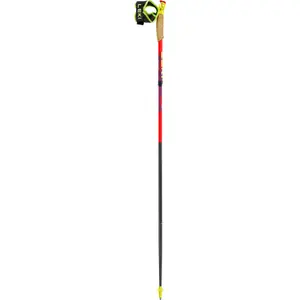
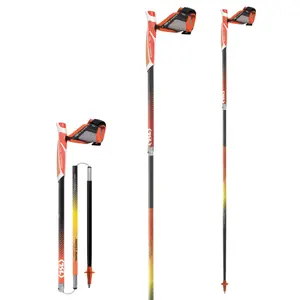
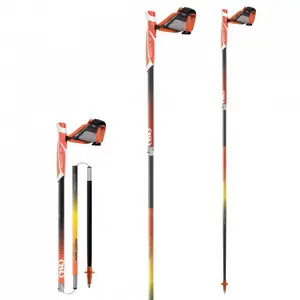
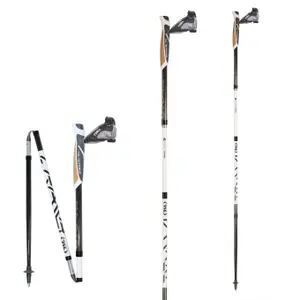
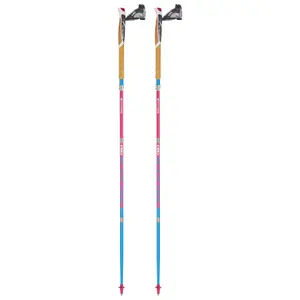
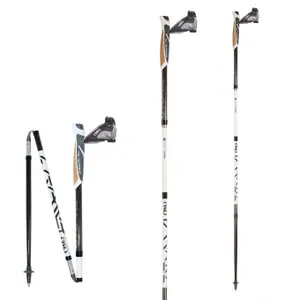
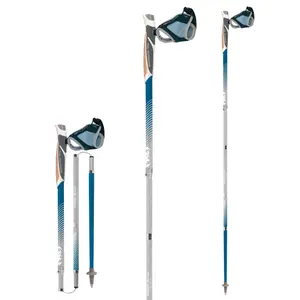
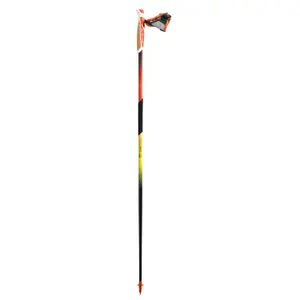
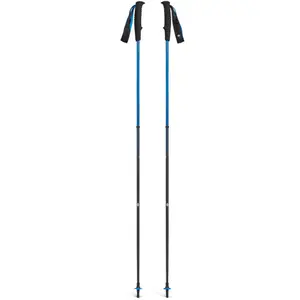
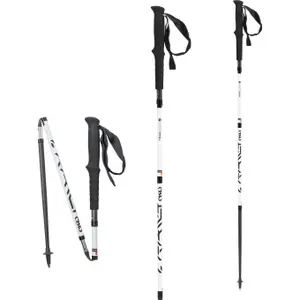
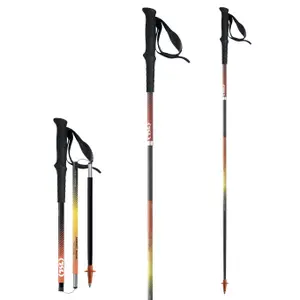
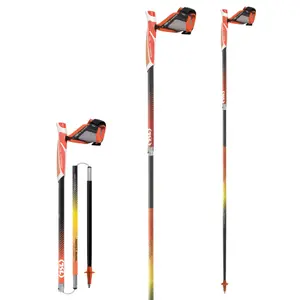
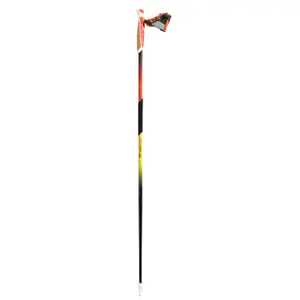
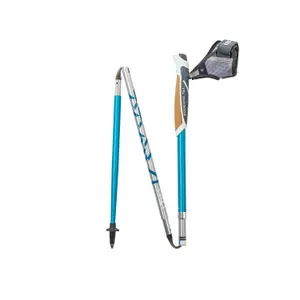
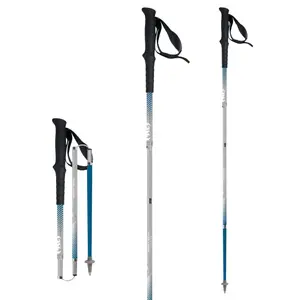
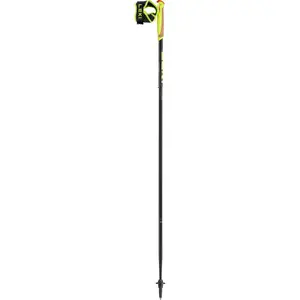
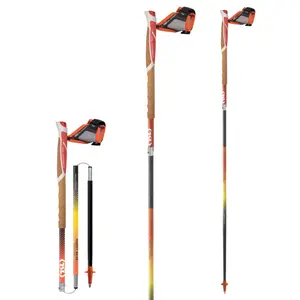
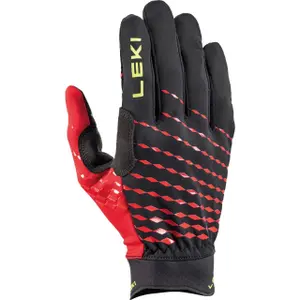
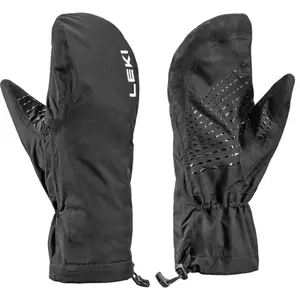
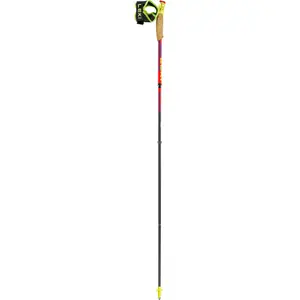
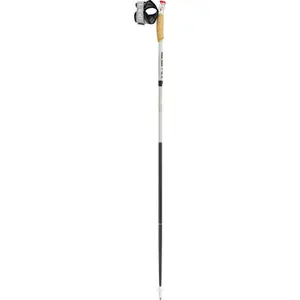
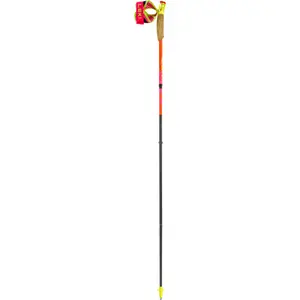
The trail equipment in end-of-line stock is aimed at runners facing elevation changes: foldable Leki Ultratrail and Evotrail poles that fold in seconds, TSL carbon or aluminium poles with cork handles, and Leki Ultra Trail Breeze gloves that clip directly onto the handle so you can let go of the poles without losing them.
Poles for long climbs, at a more budget-friendly price.
Why to run with poles in trail
In long climbs, poles turn running into an effort with four points of contact: the arms take some of the load, relieving the quadriceps and calves during ascents of several hundred metres of elevation. On descents, they provide extra points of support to keep balance on rocky paths and muddy trails. Their importance grows with distance: on an ultra-trail, many runners do not part with them. Some races prohibit them or require runners to keep them from start to finish: it’s always a good idea to check the rules of the event before registering. When used properly, they also help maintain posture towards the end of the race, when fatigue starts to bend the back.
Other end-of-line items
The clearance sale for trail running also includes:
All end-of-line items are gathered on the trail running page.
Folding system Leki or TSL: the differences
Leki was born in Baden-Württemberg, within the company founded in 1948 by Karl and Gertrud Lenhart; its name, adopted in 1970, combines the family name with the town of Kirchheim. Its trail poles Ultratrail FX One and Evotrail FX One rely on the FX folding system: segments connected by an internal cable, which deploy with a single motion and lock in place, then release with a push button. The Ultratrail is a pole of fixed length, chosen in the correct size at the time of purchase. TSL, a French brand located near Annecy, offers folding poles with four sections on its Trail Carbon and Trail Alu, which are very compact when folded.
Carbon or aluminium, cork handle
Carbon, used on the TSL Trail Carbon as well as on the Leki Ultratrail, is the lightest and most rigid material: it filters vibrations and puts less strain on the arms over long periods. Its weak point is lateral shock, under which it can snap. Aluminium, as seen on the TSL Trail Alu Cork Cross, is slightly heavier but bends rather than breaks, which often allows you to finish the race with a bent pole. The cork handle absorbs sweat, provides a secure grip with wet hands, and gradually takes on the shape of your hand. A thin, adjustable strap prevents chafing on long outings.
Leki Ultra Trail gloves and correct pole length
The glove Leki Ultra Trail Breeze has a loop between the thumb and index finger that clips into the handle of compatible Leki poles: when you let go of the pole to drink, eat, or navigate a section hands-free, it stays attached to the glove, allowing you to pick it back up without searching for the strap. Its Breeze version, lightweight and breathable, is suitable for outings in mild weather. For length, the basic rule is that the elbow should form a right angle, with the pole planted vertically and the handle in hand. In trail running, many runners opt for a slightly shorter length than for hiking, to maintain a quick motion and easily push off in climbs.
Frequently asked questions
How to use poles on a steep ascent?
You plant both poles at the same time, slightly in front of you, then push with your arms while moving your legs forward. This double push motion relieves the thighs; on a gentler slope, you revert to a more natural alternation of arms and legs.
Where to store folding poles during the race?
Once folded, the poles slip into a quiver attached to the back of the bag, into the straps on the vest, or in a pole-carrying belt. The ideal set-up allows you to take them out and put them away without stopping.
Are poles necessary for a first trail?
On a short and relatively flat course, they are not necessary. They become useful as the elevation and duration increase, provided you have trained with them before the race to master the motion and storage.
How to maintain trail poles?
After a wet or muddy outing, you extend the poles, rinse and dry each section before folding them back up. Regularly check the condition of the cable, locks, and tips, which wear down quickly on rock.
What tips to use on trail poles?
The tungsten carbide tip grips on rock, dirt, and ice. On asphalt or smooth slabs, a rubber tip prevents slipping and reduces noise, while a small washer limits sinking in mud.






