
Trail shoes on clearance


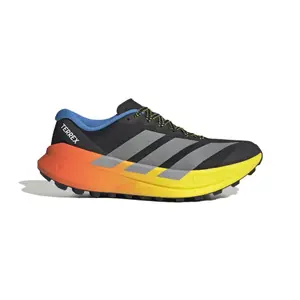
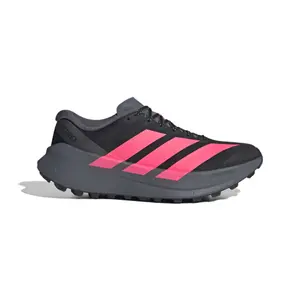
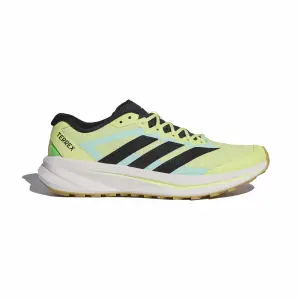


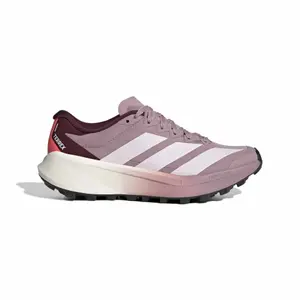


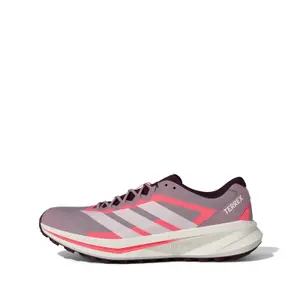


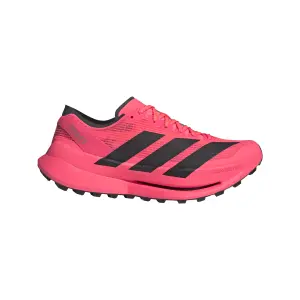


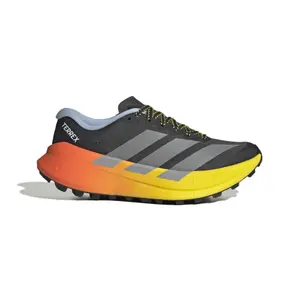


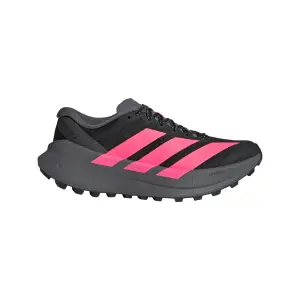

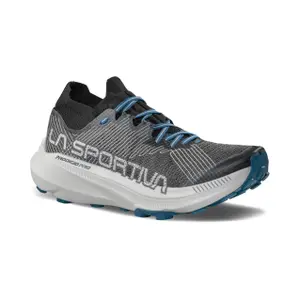
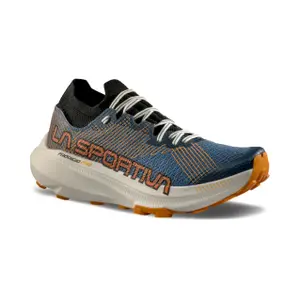


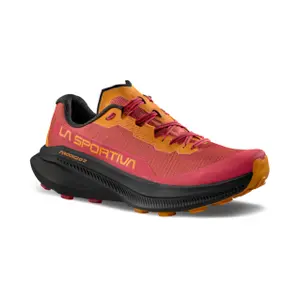

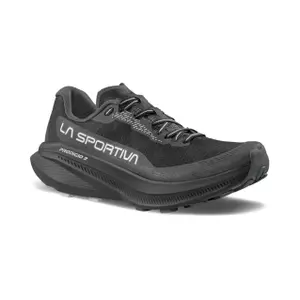
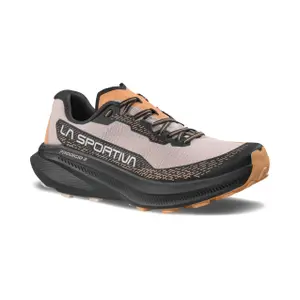


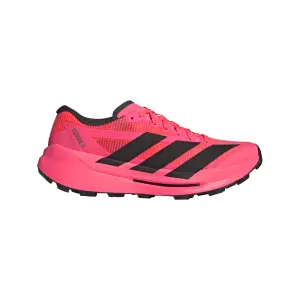


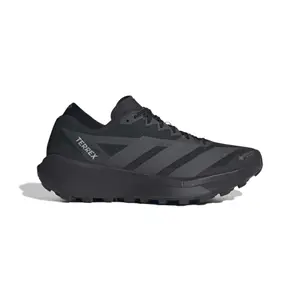

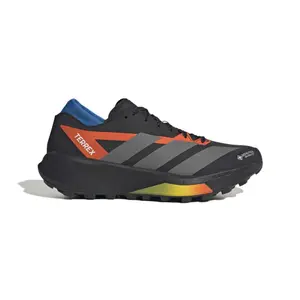
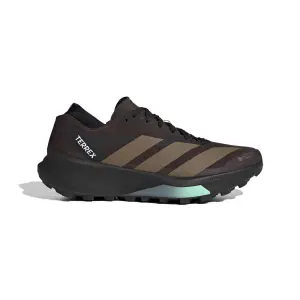
This page brings together trail shoes from the end of the line, for men and women, from easy trails to mountain running. adidas Terrex Agravic and Tracefinder, Hoka Mafate, La Sportiva Mutant and Helios, Saucony Xodus Ultra, Asics Trabuco, Rossignol Vezor and Topo Athletic: lightweight and grippy models for technical terrains, with generous cushioning for long distances.
The previous version of this trail shoe, at a softer price.
Grip: studs and rubber depending on the terrain
The grip of a trail shoe depends on two elements: the depth of the studs and the quality of the rubber. On dry paths and rolling trails, studs of three to four millimetres are sufficient and wear little on tarmacked sections. In muddy or boggy terrain, studs of five millimetres and more, spaced to shed mud, prevent slipping when descending. The rubber is just as important: adidas equips its Terrex Agravic with a Continental sole, renowned on wet rock, and La Sportiva outfits its Mutant with a FriXion rubber featuring aggressive studs, designed for steep slopes and technical terrains.
The other clearance items
The trail running clearance also includes:
All clearance items are gathered on the trail running page.
Maximum cushioning or shoe close to the ground
Two philosophies clash. Hoka, born in Annecy in 2009, designed maximum cushioning to descend alpine slopes faster: its Mafate, named after the Mafate circus in La Réunion, stacks a thick midsole that spares the legs on ultras. The Saucony Xodus Ultra and the Asics Trabuco follow this logic of generous cushioning for long distances. In contrast, ground-close shoes, like the La Sportiva Helios, reduce thickness underfoot: you gain precision and feel on rugged terrains, at the cost of slightly more muscle fatigue over time.
Low drop and wide forefoot with Topo Athletic
The drop, the height difference between the heel and forefoot, affects stride. A drop of eight to ten millimetres eases strain on the calves and the Achilles tendon during climbs, while a low drop encourages a flatter foot placement, provided you gradually adapt your legs. Topo Athletic, an American brand, specializes in low drops and a wide toe box that allows the toes to spread out, a plus on long descents where the foot expands. The women's models Pursuit and Connect follow this shape, with an adjusted heel volume to ensure good support.
Size and tightening for long descents
On trails, the foot swells over time and slides forward during descents: you therefore choose a size that leaves about a centimetre in front of the big toe, often a half-size up from your street shoe size. The heel should remain locked in place. A firm tightening over the instep and a looser fit at the front prevents black toenails and blisters under the toes; on ultras, some runners loosen their laces mid-race, when the foot has expanded. Models with an integrated sock, like the La Sportiva Mutant, also prevent pebbles and pine needles from entering through the collar.
Frequently asked questions
Is a waterproof trail shoe useful?
A membrane keeps the foot dry in dew, snow, or autumn puddles, but breathes less and dries slowly once water has entered through the collar. For summer and river crossings, a mesh upper without a membrane remains more comfortable.
Can you hike with trail shoes?
Yes, for a day hike with a light backpack, trail shoes significantly lighten the walk. With a heavy pack or over several days, a hiking shoe with a high upper provides better ankle support.
How many kilometres does a trail shoe last?
Generally, it lasts from six hundred to a thousand kilometres, depending on the terrain, the runner's weight, and the foam. Rounded studs, cushioning that no longer rebounds, or a torn upper at the side indicate that it needs replacing.
What trail shoe to start with?
A versatile shoe, with a medium drop, comfortable cushioning, and four to five millimetre studs is suitable for most trails. The Asics Trabuco or the adidas Terrex Tracefinder thus cover the initial outings and short races.
Men's or women's trail shoes: which to choose?
Women's models, like the female versions of the Agravic or the Helios, are based on a narrower heel shape and a reduced volume. However, a runner with a wide foot can choose a men's model in the equivalent size.






