
Volleyball: indoor sales
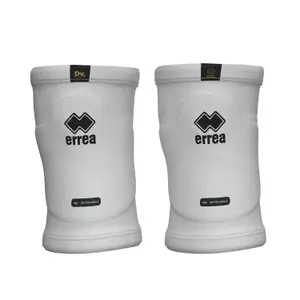


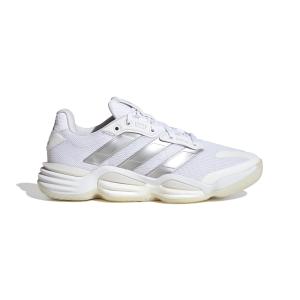
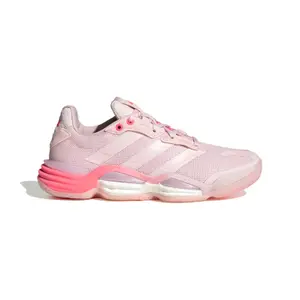
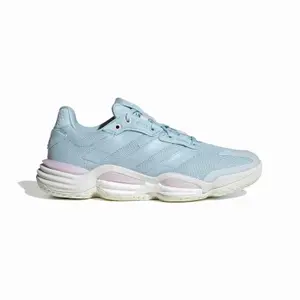
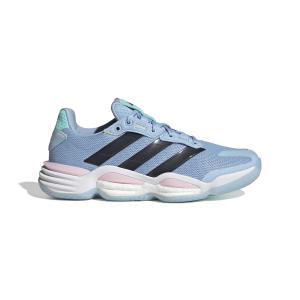

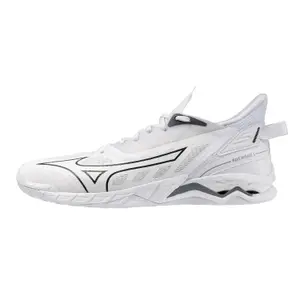
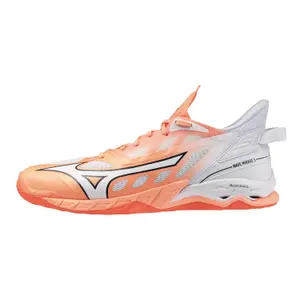


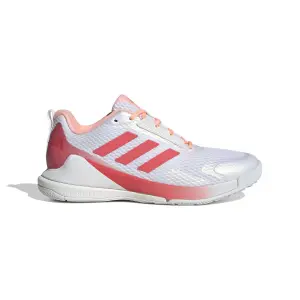

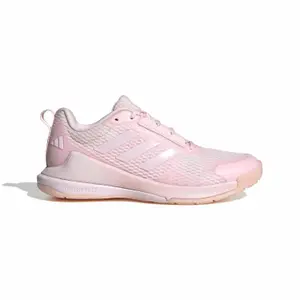


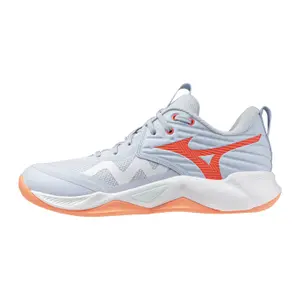
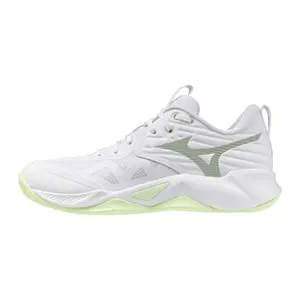


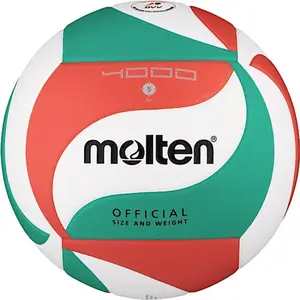
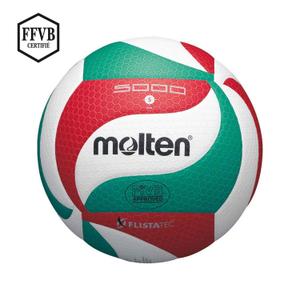


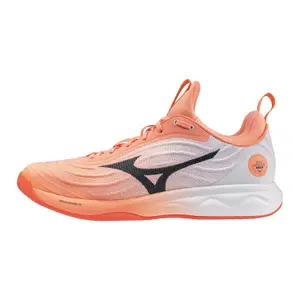
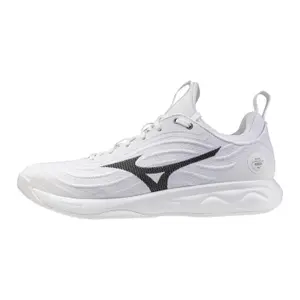
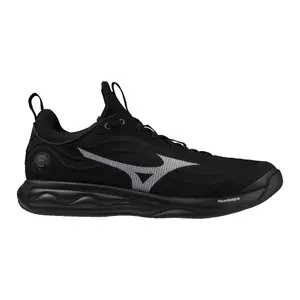

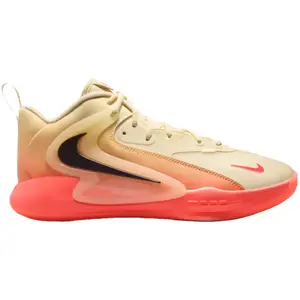


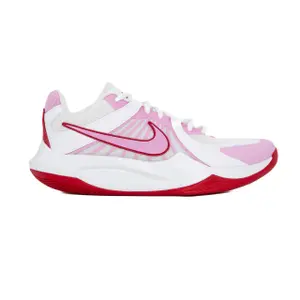
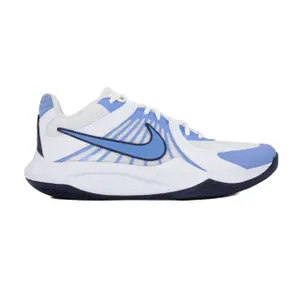
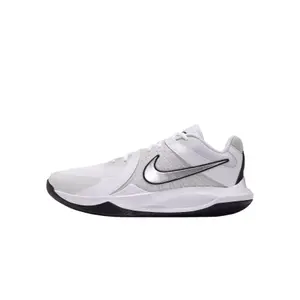
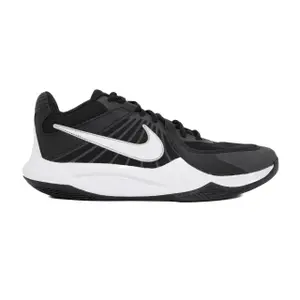
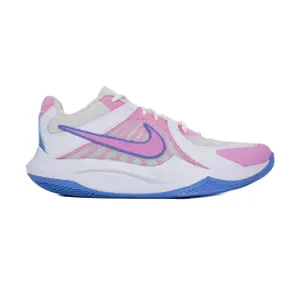
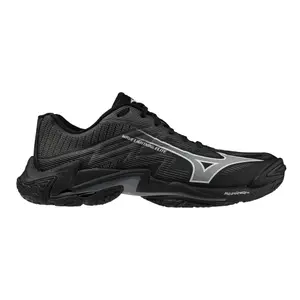
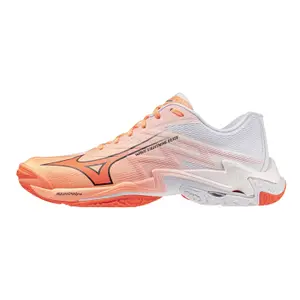


The volleyball sales bring together the equipment for players, both indoors and on the sand: competition balls Mikasa and Molten, an approved beach volley ball, knee pads Errea, Mizuno, Asics, and Nike, indoor shoes, arm sleeves, and training jerseys and tops from the French team. A selection to equip a club, a licensed player, or a supporter of the national team.
From match balls to knee pads.
Mikasa V200W, V330W or Molten: which ball
The Mikasa V200W is the official match ball of the International Federation: unveiled at the end of 2018, it made its debut at the 2019 World Cup before being used at the Tokyo Games, with its eighteen-panel surface that stabilises its trajectory. The V330W carries the same design in a more robust construction, intended for clubs and training. At Molten, the V5M5000, equipped with Flistatec flight stability technology, serves as the official ball in several European championships, including France, while the other models from the brand are aimed at training and leisure.
Indoor or beach volley: the differences
The beach volley is played with a different ball: slightly larger, with a circumference of 66 to 68 centimetres compared to 65 to 67 indoors, and inflated much less, between 0.175 and 0.225 kg/cm², to float more and spare the forearms. The Mikasa BV550C, approved by the International Federation, has a cover that withstands sand, moisture, and sunlight. Indoors, the ball is inflated between 0.300 and 0.325 kg/cm², a value marked near the valve and checked with a manometer. Indoor volleyball belongs to the Indoor sales dedicated to indoor sports.
Kneepads and sleeves: protecting against impacts
Kneepads cushion low receptions and dives on a hard floor. Thick padding suits defenders and liberos, who often go to the floor, while a thinner model allows for more freedom for attackers and setters; Errea, Mizuno, Asics, and Nike offer them in various thicknesses. They are chosen for knee size, snug enough not to slip during movement, without compressing the back of the leg. The arm sleeve protects the skin of the forearms, which can become red from repeated sleeves during reception, and keeps the muscles warm.
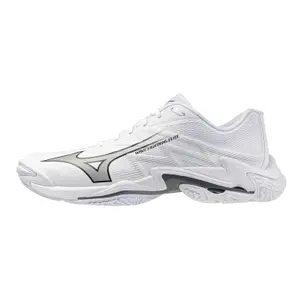
Indoor volley shoes: cushioning and grip
The volley shoe must withstand dozens of jumps per match and quick lateral supports. Its sole made of rubber grips the floor without leaving marks, and its cushioning, often reinforced at the forefoot, absorbs receptions at the net. The Asics Metarise, lightweight, targets players who jump a lot; the Mizuno Wave Momentum combines the brand's Wave plate with good support; the Nike Air Zoom Hyperace features Zoom Air cushions for responsiveness. A strong ankle support remains a priority, as a sprain is the most common injury for volleyball players.
Team France volley jerseys
The Team France jerseys for volley allow fans to support the team in the stands as well as in training: home jersey, away jersey, and women's version with a more fitted cut. The training tops, with or without sleeves, feature its colours in a quick-drying technical fabric. In volley, a player wears a differently coloured jersey: the libero, a defensive specialist introduced by the International Federation in 1998, cannot attack above the net or block. This allows referees to spot them immediately during their numerous substitutions.
Frequently asked questions
How are points counted in volley?
Each rally earns a point, regardless of which team is serving. A set is won at 25 points with a two-point lead, the match is played as best of three sets, and the potential fifth set is played to 15 points.
Who invented volleyball?
William G. Morgan, a physical education teacher in Holyoke, Massachusetts, invented it in 1895 under the name mintonette. He was looking for a less rough indoor game suited to an adult audience.
How many players are there in a volley team?
Indoors, each team fields six players on the court, rotating positions with each serve change. In beach volley, two players compete, with no substitutes, on a slightly smaller court.
What is the height of the volley net?
The net is set at 2.43 metres for men and 2.24 metres for women, both indoors and in beach volley. Youth categories play at reduced heights suited to their size.
How to maintain a volley ball?
Wipe it with a damp cloth after use, without harsh products, and store it away from sunlight and heat, which can weaken the cover. Avoid sitting on it or striking it with your foot, as this can deform it.






