
Equestrian socks on sale


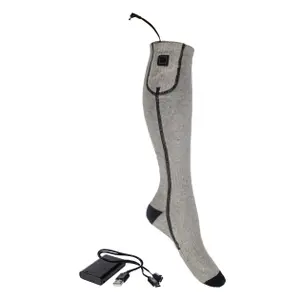


The riding socks sale features models that fit inside boots and booties: high and thin socks Kingsland and Equiline, technical socks ANKY, diamond patterns Harry's Horse and HV Polo, unicorns QHP, thermal versions for winter at the stable, available in adult and children sizes.
Comfort in boots, at a discounted price.
Why riding socks go up to the knee
Riding socks sit under the knee because the rider's boot stops there as well, right at the bend of the leg: the leather shaft rubs against the calf with every leg action against the horse's side. A short sock would leave the skin exposed at this spot, causing irritation within the first hour in the saddle. The models are designed to be thin, so that the boot, often fitted closely to the calf, can close without straining the zipper, and s smooth, with no thick seam on the toes, to avoid leaving any marks on the leg or foot after a long session.
Other riding sales
Riding sales also include:
All riding sales can be found on the riding page.
Cotton, technical fibers, merino: the materials
The material determines comfort during a long session. Cotton mixed with polyamide and elastane is the most common: it’s soft and stays on the calf without slipping. Technical socks, like the ANKY Technical ones, use light and stretchy synthetic threads, with ventilated areas knitted into the leg that wick away sweat and dry quickly. The merino wool, which is rarer, regulates temperature in both winter and summer and limits odours. The ANKY brand is named after Anky van Grunsven, a Dutch dressage rider who was crowned Olympic champion in Sydney, Athens, and Beijing.
Thermal socks: keeping feet warm at the stables
In winter, the rider's foot remains still in the stirrup and cools down much faster than when walking. Thermal socks, like the BR Thermo Willow, thicker at the foot, trap warm air while remaining compatible with a winter boot or boot. A common mistake is to layer two pairs: a foot squeezed in the boot loses circulation and cools down even more. It's better to wear a single warm sock, perfectly dry, put on just before mounting, and keep a pair of spares dry for horse care after a downpour.
Diamonds, unicorns, hearts: fancy socks for the rider
Hidden under the boot, socks are the accessory where the rider dares to be funky. The argyle pattern, these interlaced diamonds from the Campbell clan tartan of Argyll in Scotland, is featured in models from Harry's Horse and HV Polo. The QHP Unicorn socks charm young riders with their unicorns, and the Imperial Riding Imperial Heart socks feature hearts. For competitions, where the outfit remains understated, the solid models from Kingsland or Equiline in subtle shades match the official attire. The children's sizes allow young riders to wear the same patterns as the older ones from their very first lessons.
Frequently asked questions
What size riding socks for a child?
Children's socks are chosen in size ranges, often grouped in threes or fours. They should reach just below the knee without bunching at the ankle, where the boot or boot rubs the most during the lesson.
How to wash riding socks?
Washing at thirty degrees inside out, with a gentle detergent and no fabric softener, preserves elasticity and breathable fibers. They should be dried flat or hung up, never on a radiator, to keep their shape and pattern brightness.
Can riding socks be worn with boots?
Yes, they are also suitable for boots worn with mini-chaps: the high sock then protects the leg from the chafing of the gaiter. With boots alone, for care at the stables, a shorter sock is sufficient.
Why do my socks slip down in the boot?
A sock that is too big or stretched out from washing will eventually slide down to the ankle. Choose the right size range and a comfortable elastic band under the knee, and replace tired pairs that no longer hold the calf properly.
How many pairs of riding socks should I have?
A rider who rides several times a week should have at least three or four pairs, to alternate between washes and keep a dry spare pair at the stables. Socks last longer when not worn two days in a row.






