
Football Shirts on Sale
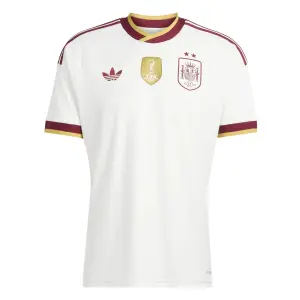


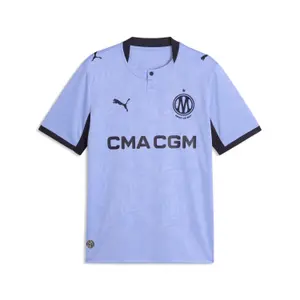
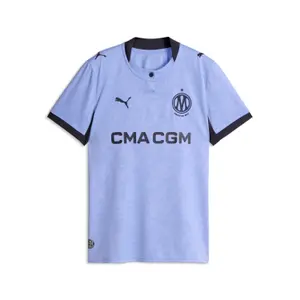


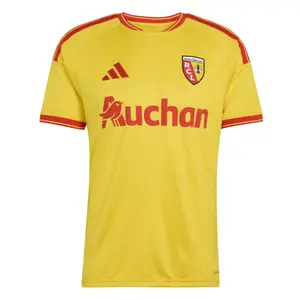


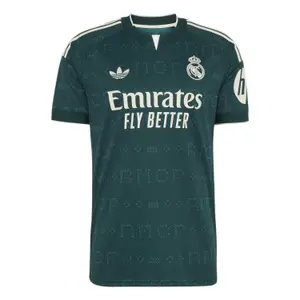
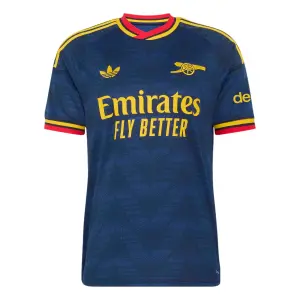
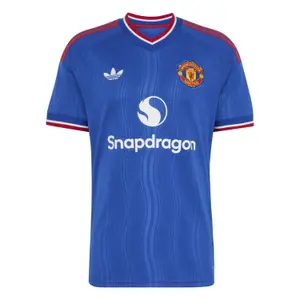


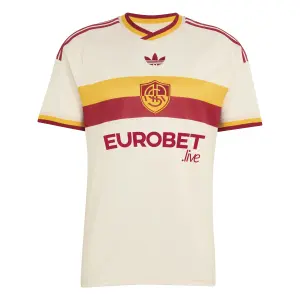


The football shirts on sale feature the most popular clubs and teams: PSG, OM, RC Lens, Real Madrid, FC Barcelona, Liverpool, Bayern Munich or Arsenal, and countries like Brazil, Argentina, Spain, Portugal, Japan or Algeria. Supporter and authentic versions, adult and children's sizes, as well as team shirts for amateur clubs.
Your team shirt, at a discounted price.
Home, away, third: what each shirt is for
Each club presents several kits, and each one has its role. The home shirt carries the historical colours: the all-white of the Real Madrid, the blue and maroon of the FC Barcelona, the blood and gold of RC Lens, or the navy blue of PSG with its red stripe edged in white, designed by the tailor Daniel Hechter in the 1970s. The away shirt exists mainly to prevent the referee or players from confusing the two teams, which is why the colours are often contrasting. The third, and sometimes a fourth shirt like at FC Barcelona, offers manufacturers a more creative outlet, inspired by the club's history, its city, or a collaboration with a designer.
Other football sales
Football sales also include:
- Shoes, boots and indoor shoes.
- Junior, kids' kits and shoes.
- Goalkeeper, gloves and shirts.
- Teamwear, team clothing.
- Equipment, balls, shin guards and bags.
All the football sales are gathered on the football page.
What size shirt for a child
Children's shirts are sized by age or height: a size noted one hundred and forty corresponds to a child about one metre forty tall, which is roughly nine to ten years old on average. The design closely mirrors that of the adults, from the badge to the sponsors, with a slightly straighter cut. When in between sizes, choose the larger one to ensure the shirt lasts longer, without it floating to the point of being a hindrance while playing. Replica shirts adorned with the name of a star, like Argentina's Messi, are particularly popular among young fans. For a child who will actually play in it, a breathable polyester shirt dries quickly; for one who will also wear it to school, a slightly looser fit remains more comfortable.
Printing: name, number and competition badges
Printing personalises the shirt with a player's name and number, or their own name. Each club and team uses a official font, regularly redesigned: for a faithful finish, the printing must match the version from the same year as the shirt. The competition badges, placed on the sleeves, indicate the league or European cup being played, and some clubs also wear a badge reserved for the current champion. A printed shirt should be washed inside out, at thirty degrees, and dried flat away from a radiator: heat can cause the thermoplastic letters to buckle and peel off at the edges.
Team and referee shirts for amateur clubs
Sales also give an amateur club the chance to refresh its set of shirts. Team shirts from Joma, Hummel, or adidas, made from lightweight polyester, come in many colours and display numbers and the club's logo to uniformly dress an entire category. The referee has their own outfit, like the Hummel Referee shirt: a referee's shirt is distinguished by its chest pockets, which hold cards, a match notebook, and a spare whistle. Reversible vests, two colours in one, are also used to form teams during training without needing extra kits, and can be easily slipped into the bag of the coach.
Frequently asked questions
How to choose the size of an adult football shirt?
One should refer to the chest measurement indicated in the manufacturer's size guide instead of their usual t-shirt size. For those between sizes, the larger one is better for a casual fit, while the smaller one is for playing.
What is a vintage or retro football shirt?
A retro shirt replicates the design of an old kit, often linked to a significant period, with the collar, colours, and badge of that era. It is worn more in everyday life than at the stadium, like a collector's item.
How to recognise an official football shirt?
An official shirt has an inner label with the manufacturer's product code, neat finishings, and a perfectly aligned badge. An unusually low price or slightly different colours often indicate a counterfeit.
When do clubs unveil their new shirts?
Home shirts are usually presented at the beginning of summer, before the season starts, and away and third shirts follow over the weeks. National teams reveal theirs before major international competitions.
Can you play football in a club shirt?
The supporter version can be used for a friendly match, but its thicker fabric can get hot quickly. For regular training, a team shirt made of lightweight polyester, designed to wick away sweat, is more comfortable.






