
Football teamwear on sale
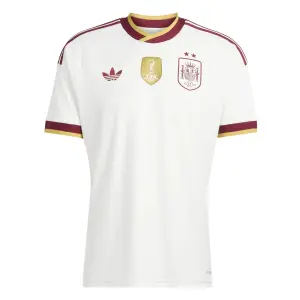
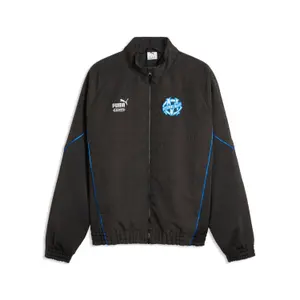
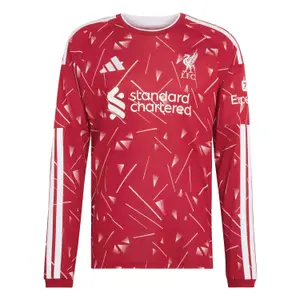
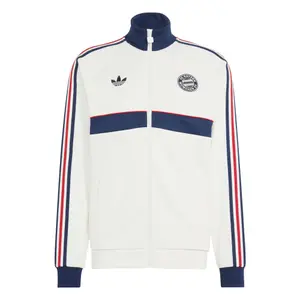
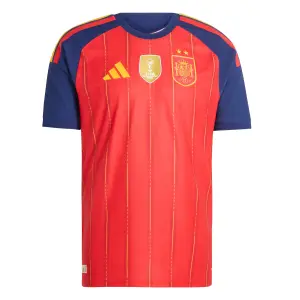
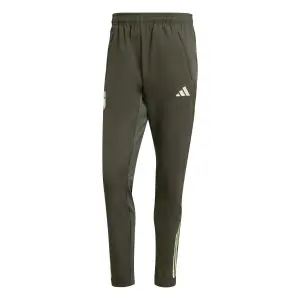


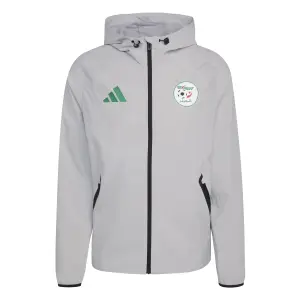
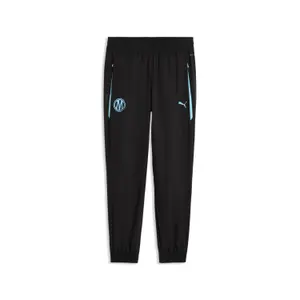
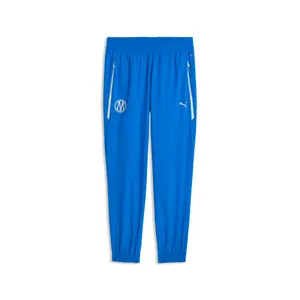
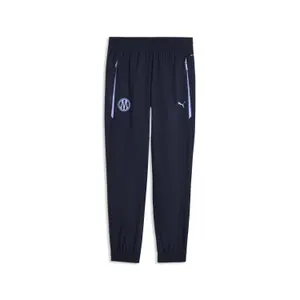


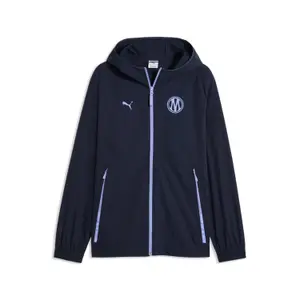
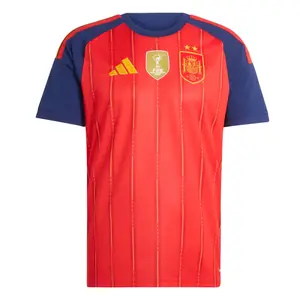
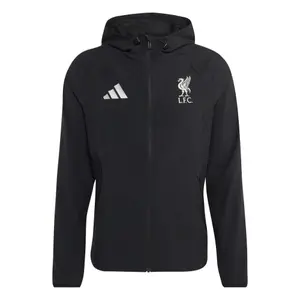
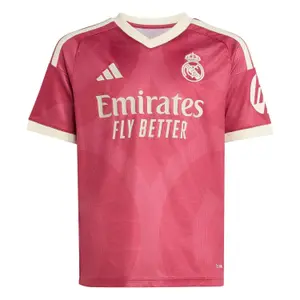
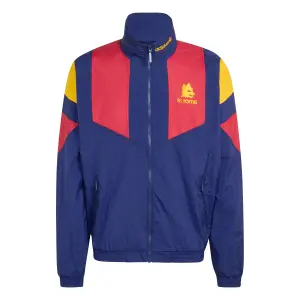
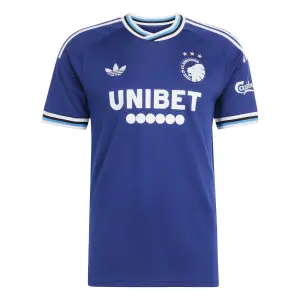
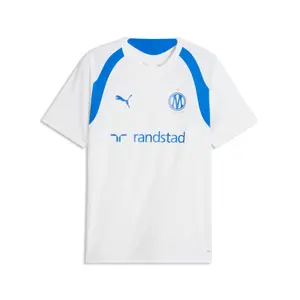
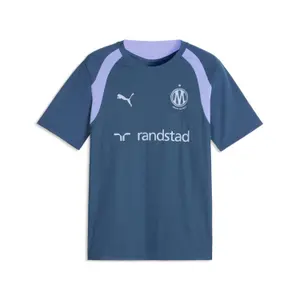
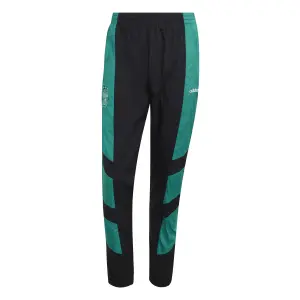
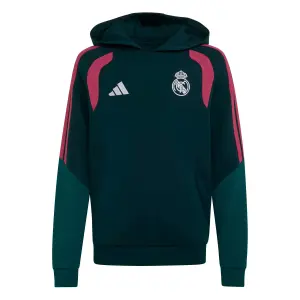
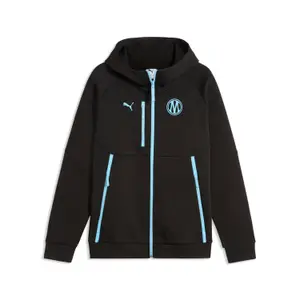
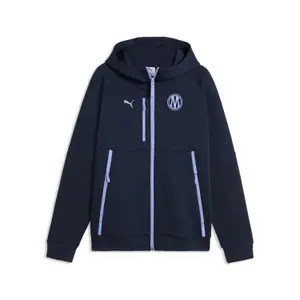


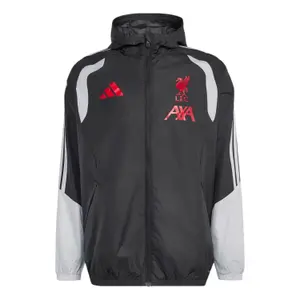
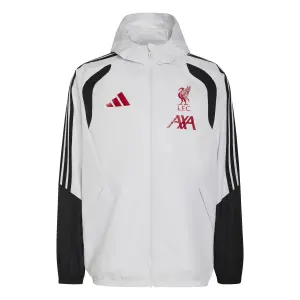

The Teamwear football sale brings together the collective equipment for clubs and coaches: training and match balls Uhlsport, Erima, Hummel and adidas, reversible bibs PowerShot and Uhlsport, Errea bag, shorts Joma and goalkeeper gloves. This is a great way to refresh a team's worn-out gear and prepare for supplies, with items designed to withstand repeated sessions.
Equip the whole team at discounted prices.
Training ball or match ball
A club wears out its balls much faster than a player, which is why it's important to distinguish the two families. The training ball, like the Uhlsport Team, the Resist or the Erima Senzor-Star, focuses on robustness: a thicker cover that withstands repeated strikes and the abrasion of synthetic pitches. The match ball, like the Uhlsport Match, offers a more precise touch and a steadier trajectory, with a thinner casing. The Addglue technology from Uhlsport adds glue to the seams: the surface remains smooth, the ball perfectly round and water absorption is very low, an advantage in winter rain.
Other football sales
Football sales also come in:
All the football sales are gathered on the football page.
What size ball for each category
The size of the ball follows the age of the players. In France, the youngest, up to under nine years old, play with a size three ball; from under ten to under thirteen, we switch to size four, then the size five, with a circumference of sixty-eight to seventy centimetres, is used up to the senior level. Lightweight balls, like the Hummel Inspire Club Lite, keep the standard size but weigh significantly less: they build children's confidence for striking and heading without causing pain. Ideally, a coach provides one ball per player for technical workshops, plus a few spare balls.
Training vests, bag and shorts for sessions
The vest organizes the session: teams for a match are formed in an instant. The reversible models PowerShot, yellow and orange or black and white, offer two colours in one lot, and the Uhlsport Training Bib, made of lightweight mesh, can be worn over the shirt without causing heat discomfort. To carry their belongings, the Errea Basic bag fits a player's kit, including shoes. On the textile side, the short Joma Glasgow, made of polyester, and the t-shirt and short set Hummel dress young players for training: simple pieces that are easy to replace year after year in the same colours.
Goalkeeper gloves: cut and latex palm
Goalkeeper gloves are first chosen by their cut. The flat cut, the most classic, gives a bit of room for the fingers; the rolled cut wraps the fingers in latex to enlarge the contact surface; the negative cut, with interior seams, hugs the hand for a precise feel. The latex palm provides grip: a soft latex sticks better to the ball but wears out quickly on synthetic pitches, while a denser latex is suitable for training. Slightly moistening the palm before playing improves grip. Uhlsport, founded in 1948 in Balingen, Germany, has made a name in this field.
Frequently asked questions
How many balls to provide for a football team?
For effective technical workshops, plan on one ball per player, or one for every two at minimum, plus two or three match balls. Be sure to also include a pump and a pressure gauge to check the pressure before each session.
What pressure for a football?
The laws of the game set the pressure for a size five ball between 0.6 and 1.1 bar at sea level. Adhere to the value printed near the valve: an over-inflated ball wears out faster and is uncomfortable, while a soft ball can distort passes.
How to maintain goalkeeper gloves?
After each session, rinse the palms with lukewarm water without harsh soap, then let them air dry away from heaters. Store the gloves palm to palm with a separator, so the latex doesn't stick and tear.
What material for a club training kit?
Breathable polyester is essential: it wicks away sweat, dries quickly and withstands multiple washes throughout a season. Choose a model available in adult and child sizes to equip all categories in the same colours.
Why use a ball bag?
A ball bag made of mesh carries about ten balls in one go to the pitch and allows them to dry after a session in the rain. It also prevents losing any along the way and makes counting easier at the end of training.






