
Back to school for juniors in adidas


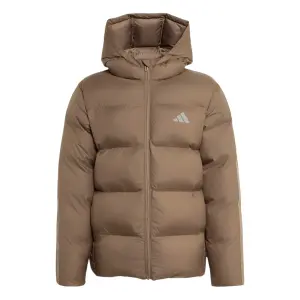

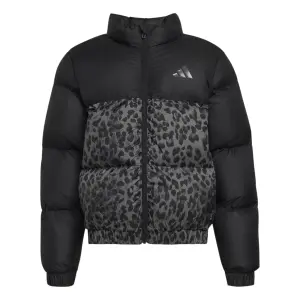


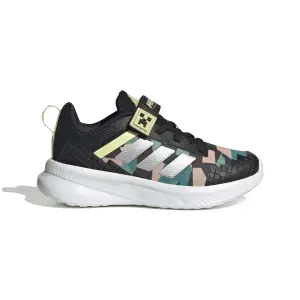
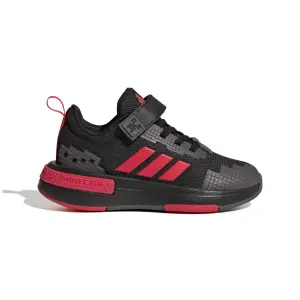
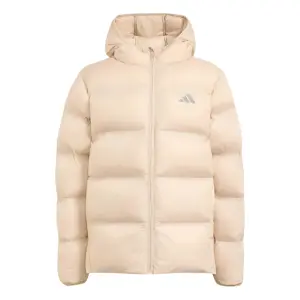


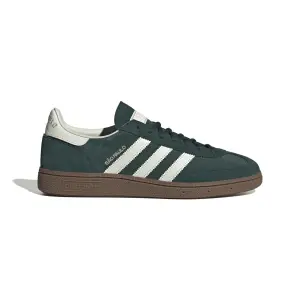
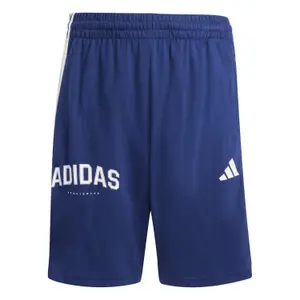
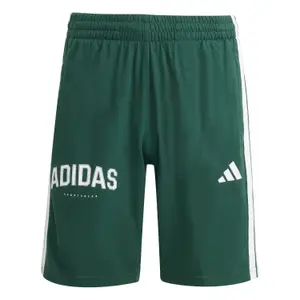


The adidas junior back-to-school collection dresses children and teenagers in the colours of the three stripes brand: sneakers inspired by classic styles like the Samba or the Superstar, in kids' sizes, tracksuits, sweatshirts and t-shirts. Models born on the sports fields, adapted for school days, PE classes and weekends.
Classics from the brand, available in junior sizes.
Samba, Superstar, Gazelle: the classics in kids' sizes
adidas was founded in 1949 by Adi Dassler in Herzogenaurach, Bavaria, and several of its most famous models are now available in junior sizes. The Samba, designed around 1950 for training on icy pitches, keeps its rubber sole and suede reinforcements. The Superstar, released in 1969 for basketball, is recognized by its rubber shell that protects the front of the foot, which is very useful against balls on the playground. The Gazelle, born in 1966, features a softer suede upper and a slimmer silhouette.
For the little ones, several models replace laces with elastic bands and a hook-and-loop strap: the child can put on their shoes by themselves, without waiting for an adult's help after class.
Junior sizes and measurements: adidas references
Junior clothing from adidas is chosen based on the child's height in centimetres, indicated on the label next to the age range: at the same age, two children can have several sizes difference. For a tracksuit, a slightly larger size allows room without being restrictive, as long as the bottoms of the trousers don't drag under the shoes.
The adidas sizes follow the French system in thirds, like 36 2/3, which allows for fine adjustments. For a junior sneaker, measure the foot at the end of the day, standing, and add about a centimetre of allowance in front of the longest toe for growth. Between two sizes, the larger one is the safest, and a thicker insole can compensate for the first few weeks.
Other brands for back to school
Other brands in the selection: Puma, Reebok, Jack & Jones, Urban Classics, Only, New Era. The whole collection is gathered on the Lifestyle Junior page, as part of the back-to-school event.
Tracksuit, sweatshirt, and three-stripe t-shirt
The three-stripe tracksuit, zip jacket and tapered trousers, remains the brand's most recognizable piece, with its stripes running along the sleeves and legs. Made of knitted polyester, it withstands playground wear and dries quickly, allowing it to be worn right after the next PE lesson.
The warmer hooded sweatshirt made of cotton fleece is worn over a t-shirt on cool mornings, while the cotton t-shirt featuring the trefoil, the logo introduced in 1972, accompanies warmer days. For exercise, a technical t-shirt wicks sweat better than cotton, which stays damp and can cool the child down once the session is over.
Washing and maintaining adidas clothes and sneakers
Well-maintained, junior clothes from adidas often pass from one child to another. The polyester tracksuits should be washed inside out at thirty degrees, without fabric softener, and air dried: the heat from the tumble dryer can crack the stripes and printed logos. The fleece should be washed with similar colours to avoid lint transfer.
Sneakers made of leather, like the Superstar, can be cleaned with a damp cloth and a bit of mild soap, while the suede of a Samba or Gazelle requires a special brush used dry. Before back to school, checking the soles and sizes helps avoid discovering in October that a pair has become too small.
Frequently asked questions
Where does the adidas brand come from?
adidas is a German brand, founded in 1949 by Adi Dassler in Herzogenaurach, Bavaria, where its headquarters are still located. Its name comes from the contraction of the nickname and the name of its founder, Adolf Dassler, known as Adi.
What is the Spezial from adidas?
The Handball Spezial was born in 1979 for handball courts, with a sticky rubber sole and a suede upper. It was later adopted by British football supporters, becoming a popular city sneaker among teenagers.
How to tell a Samba from a Gazelle?
The Samba is recognized by its T-shaped suede reinforcement at the front of the foot, a legacy of football, and its rubber sole. The Gazelle, being more flexible, features a completely suede upper and a slimmer line, stemming from training.
Can leather adidas sneakers withstand rain?
The smooth leather of a Superstar can handle a downpour and wipes clean easily, as long as it dries away from a radiator. Suede is more vulnerable to water: a waterproofing spray applied in advance limits stains and mud marks.
How to know if an adidas shoe is too small for a child?
Press your thumb at the end of the shoe, with the child standing: there should be about a centimetre of space in front of the big toe. Redness on the toes, a heel sticking out, or complaints at the end of the day indicate that it's time to change size.






