
Back-to-school Tremblay CT supplies


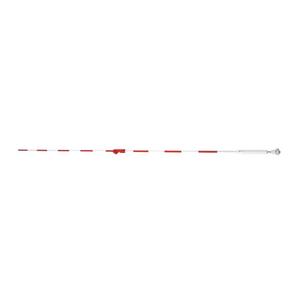


The Tremblay CT back-to-school selection includes training equipment from a French brand that has been supplying clubs, schools, and communities since 1971: perforated cones, marking cups, markers, low hurdles, and speed ladders. Educators, PE teachers, and volunteer coaches will find everything they need to mark out a field and create workshops for motor skills, speed, and coordination.
Durable equipment for creating varied sessions.
A brand designed for clubs and schools
Since 1971, Tremblay has been producing equipment for those who lead groups: amateur clubs, schools, leisure centres, and municipal sports services. This audience requires specific constraints that the brand has incorporated: pieces that stack to fit in a small space, plastics that withstand the wear and tear of a whole class, and bright colours that can be spotted from a distance. Its catalogue covers a wide range of sports, from football to handball, including athletics and gymnastics, but the motor skills equipment, cones, markers, and hurdles, remains its most well-known area.
Drilled cones and markers: a modular system
The drilled cone is the most versatile piece in the range. Its holes, placed at various heights, hold the end of a marker: two cones and one marker create a hurdle with adjustable height in just a few seconds, a marker planted vertically becomes a slalom pole, and the notch at the top allows for a flat bar to rest. Thus, the same set can be used for an obstacle course for six-year-olds as well as for stride training for experienced athletes. In the event of contact, the bar falls instead of toppling the student, which provides reassurance in a school setting.
Cups, low hurdles, and rhythm ladders
The cups, flat and flexible, define a playing area, a goal zone, or a corridor without the risk of twisted ankles if a player steps on them. Their colours also serve as cues: one colour for each team, workshop, or distance. The low hurdles work on foot strike frequency and leg cycles, and the rhythm ladder placed on the ground demands precise foot placements, from simple steps in each square to lateral sequences. These three tools can be combined in a single circuit and are stored in a carry bag at the end of the session.
Other brands for back-to-school
Other equipment brands, Sporti France, Lynx Sport, Macron, Select, Kempa, Leader Fit, are gathered on the training equipment and supplies page.
Making equipment last from year to year
The plastic of the cones and cups is especially sensitive to ultraviolet rays: if left in the sun all summer in a corner of the pitch, it fades, hardens, and then cracks. Therefore, equipment should be stored away after each session, stacked by size so as not to deform the flexible pieces. A rinse with water after a muddy training session prevents dried dirt from clogging the holes in the cones. Markers should be stored flat or upright in a bin, never bent under weight, and an inventory at the beginning of the year allows for the replacement of broke pieces before they fail during an exercise.
Frequently asked questions
What equipment should I buy to start as a sports educator?
A set of cups in two or three colours, about ten drilled cones with an equal number of markers, and a rhythm ladder will cover most of the sessions. You can then add more based on the sport being practiced and the age of the group.
How many cones are needed for a motor skills course?
For about twelve children, eight to twelve cones and a few markers are enough to run three or four workshops: slalom, small hurdles, a gate to go through, and a finish area. Several short workshops are better than a long waiting line.
Is Tremblay equipment suitable for PE classes?
Yes, the brand designs its equipment for collective and intensive use, which is suitable for PE classes. The pieces stack for storage in a room, and bright colours help organise groups without lengthy explanations.
What height of hurdle is suitable for children?
For younger ones, a hurdle of fifteen to twenty centimetres is enough to work on foot strike sequences without apprehension. The height can be increased by placing the bar in the upper holes of the cones as the student gains confidence.
Can this equipment be used in a gymnasium?
Yes, cones, cups, markers, and ladders work equally well on a gym floor as on grass or synthetic surfaces. Indoors, simply shorten the distances and focus on foot placements and coordination workshops.






