
Horse protection at Black Friday
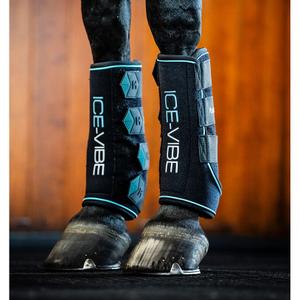
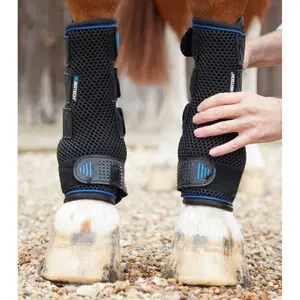
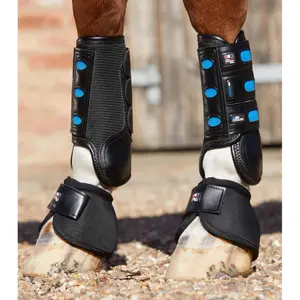
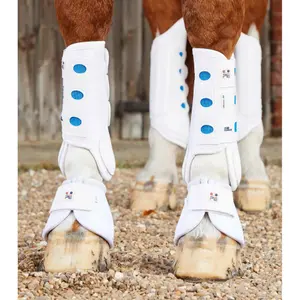
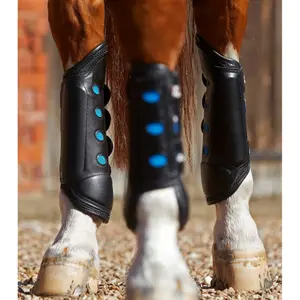
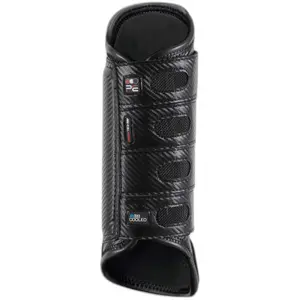
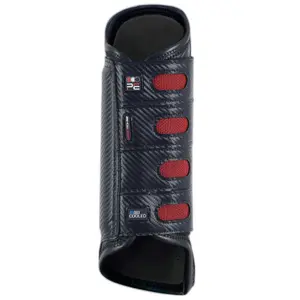
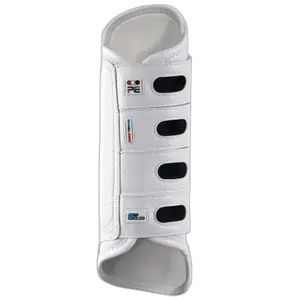
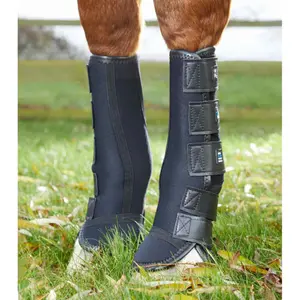

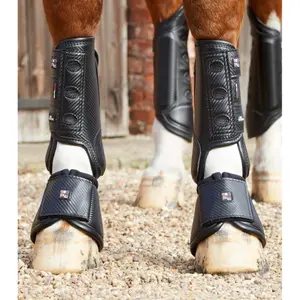
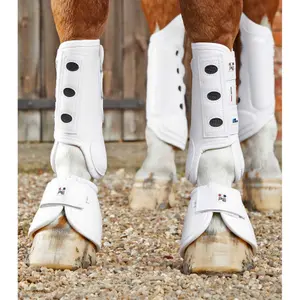
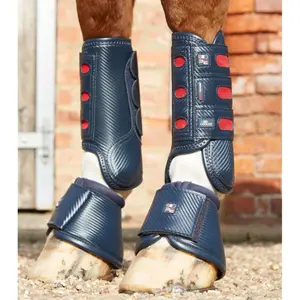
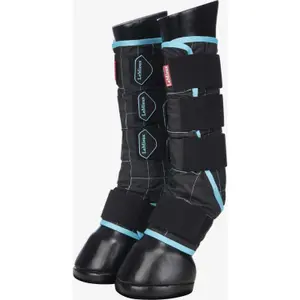
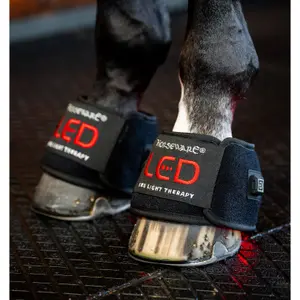
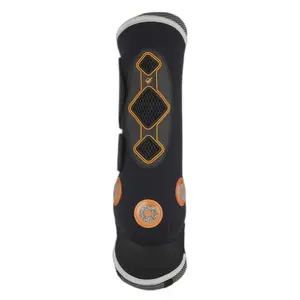
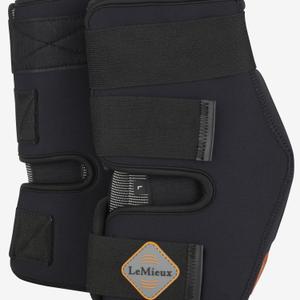
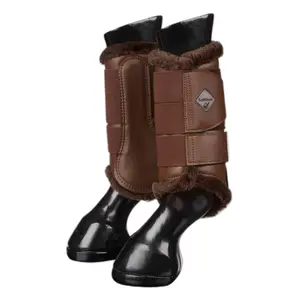
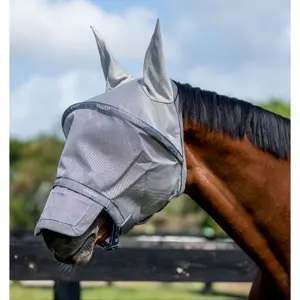
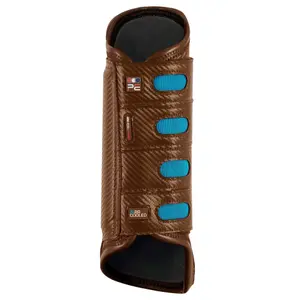
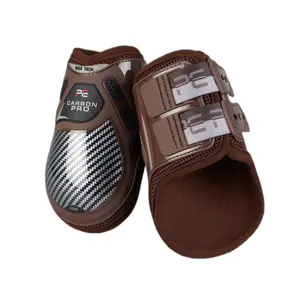
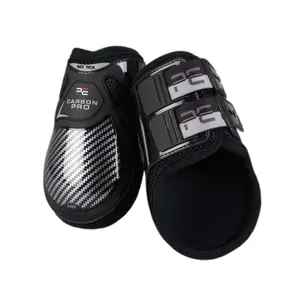
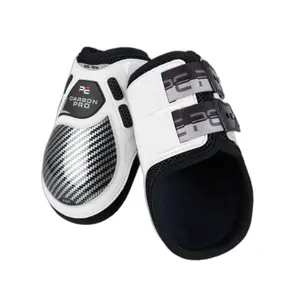
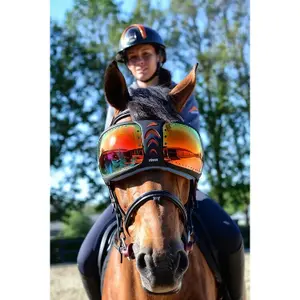
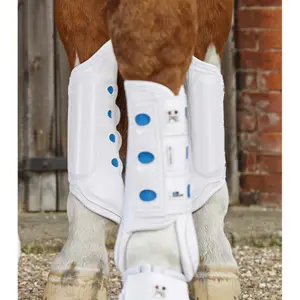
The horse protection items in this selection safeguard its limbs, head, and skin: travel boots from Premier Equine, Horseware, LeMieux, Pro-Tech and eQuick, fetlock boots, shipping boots QHP, tendon boots, fly masks and bonnets, and rub protectors. For work, turnout, box, and transport, from pony to sport horse.
Protected limbs for every outing.
Gaiters and tendon boots: protecting tendons and joints
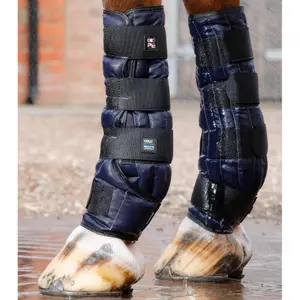
A horse can injure itself: while moving, a hoof may sometimes hit the opposite leg or the foreleg on the same side. The front gaiters cover the cannon and the back of the limb, where the flexor tendons run. The open models at the front, used in show jumping, allow the horse to feel the pole it touches, while the closed gaiters Horseware and LeMieux wrap around the entire cannon for cross-country and outdoor work. The Premier Equine Air Cooled, perforated ones let heat escape, as a tendon that gets warm is more fragile. The tendon boots, which are shorter, protect the inside of the joints on the hind legs, like the eQuick eWonder.
Other accessories
The horse accessories for Black Friday also come in various forms:
All the accessories are gathered on the horse accessories page.
Bell boots, fetlock protectors, and stable boots
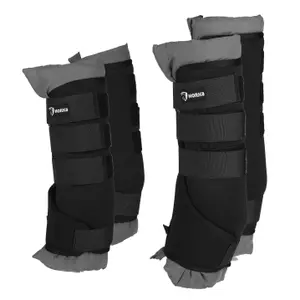
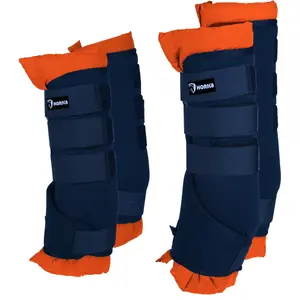
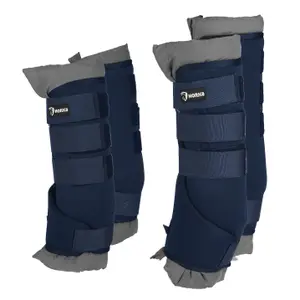
The bell boots encircle the coronet and heels of the forelegs, which are exposed to injury when a hind leg kicks them, especially during jumping or on heavy ground; they also limit the risk of a shod horse pulling off a shoe. The QHP Technical, open ones close with a Velcro strap, making them easier to put on than pull-on bell boots. The fetlock protector Horseware cushions the point of the fetlock, which often gets hit in the stable when the horse lies down or gets up, and during transport. The stable boots Horka Traveling wrap around the limb from the knee to the hoof: they protect against knocks in the trailer and support the limbs at rest.
Insect masks and ear bonnets
In the field, flies attack the horse's eyes and tears, which can cause conjunctivitis. The fly mask, made of fine mesh, covers the eyes without obstructing vision: the Horseware Rambo and LeMieux ArmourShield Pro also protect the ears, while the Harry's Horse Flyshield keeps them free for horses that don’t like being covered. The anti-eczema mask Q-essentials protects horses sensitive to bites from culicoides, which cause summer dermatitis. Under the saddle, the fly bonnet QHP Super Bug covers the ears and reduces head shaking caused by insects during work.
Sleeves and friction protections
Some injuries come from the equipment itself. The sleeves, like the synthetic Norton kit that mimics sheepskin, are slipped over the girth, halter, or noseband to prevent chafing and sores, especially in horses with sensitive skin. The chest and shoulder protection Q-essentials, made from elastane, is worn under the blanket: it prevents the fabric from rubbing the coat at the withers and shoulders, where friction can create bald patches. For all protections, brush off dirt and sand after each use and check the fastenings, as a grain of sand caught can irritate the skin.
Frequently asked questions
Should you put on gaiters every session?
For jumping, lunging, and cross-country, they are strongly recommended, as injuries are common in these activities. For a ride on soft ground with a horse that rarely touches itself, some riders skip them; when in doubt, it’s better to protect.
How long should a horse wear gaiters?
No longer than the duration of work: remove them as soon as the session is finished to let the skin breathe and the tendons cool down. Work gaiters should never be left in the stable, where they can slip and constrict the limb.
What size gaiters for a pony or cob?
Gaiters generally come in pony, cob, horse, and large horse sizes, depending on the length and circumference of the cannon. Measure from beneath the knee to the fetlock: the gaiter should cover this area without putting pressure on the joint.
Can a horse wear its fly mask all day?
Yes, in the field during the insect season, as long as you remove it every day to check the eyes and clean the mesh. Many owners take it off at night when the flies are less active to prevent it from getting caught.
What are cooling gaiters?
These are gaiters soaked in cold water, applied after intense exercise. The cold constricts blood vessels, limits inflammation of the tendons, and replaces hosing down the legs with water, which is practical in competitions.






