
Tennis on Black Friday


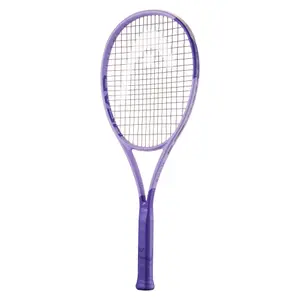


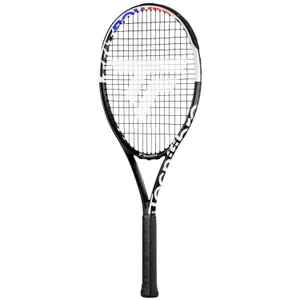


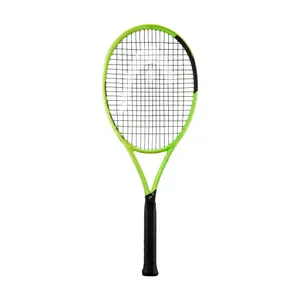
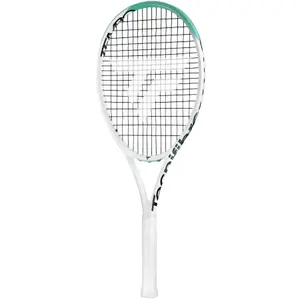


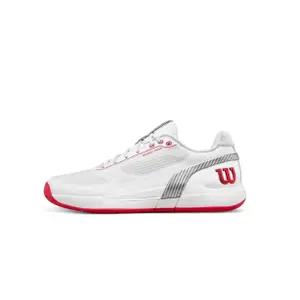
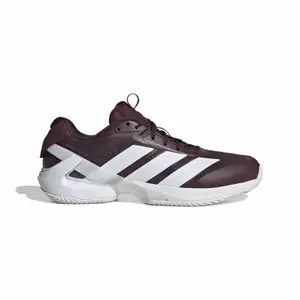


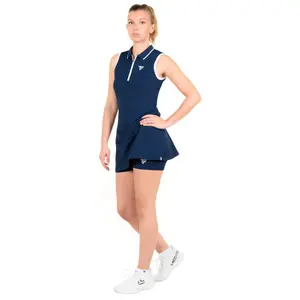

The Black Friday tennis collection includes player equipment: Head Speed and Tecnifibre T-Fit and TF-X1 rackets, Head Sprint, Revolt and Endure Pro shoes, Asics Gel-Resolution and Gel-Challenger, Head and Dunlop balls, including Stage balls for kids, Tecnifibre Black Code strings, Head and Wilson overgrips, vibration dampeners, and sponge wristbands. From beginners to competition, on clay and hard courts.
All tennis equipment at reduced prices.
Head Speed or Tecnifibre: finding your frame
The racket is chosen based on weight, the head size, and the style of play. The Head Speed MP, from the range associated with Novak Djokovic and Jannik Sinner, offers a medium head size and a weight of around three hundred grams unstrung, for regular players looking for arm speed and precision. The Tecnifibre sticks are a bit lighter: the T-Fit, around two hundred and ninety grams, is maneuverable and forgiving, suitable for progressing players, and the TF-X1, around two hundred and eighty-five grams, focuses on power and comfort. An adult beginner should avoid frames that are too heavy, which tire the wrist, just as frames that are too light transmit shocks more easily.
Other racket sports
Racket sports on Black Friday can also be found:
All racket sports are gathered on the racket sports page.
Tennis shoes: the sole according to the surface
The sole makes the difference from one surface to another. On clay, a herringbone pattern, like on the Asics Gel-Resolution Clay, grips the surface while shedding dirt with every step, allowing for sliding without losing grip. On hard courts, the rubber must primarily resist abrasion, hence reinforced soles at the forefoot and on the inside, areas that wear the most. The Head Sprint and Revolt focus on lightness and responsiveness, while the Endure Pro, which has a Boa lacing version with a dial, emphasizes durability. For kids, the Head Sprint Velcro, with a hook-and-loop fastener, avoids undone laces in the middle of a rally.
Pressurized balls for matches, Stage balls for learning
Competition balls, like the Head Pro or the Dunlop Tour Performance, are pressurized: the gas contained in the core gives them a bounce that decreases once the tube is opened. They are reserved for matches and are often replaced. The bag of Head Trainer balls, designed for training and club baskets, offers a more durable ball. For children, the International Tennis Federation has defined three levels: red ball for the youngest, orange for ages seven to nine, and then green from around nine years old, which bounces lower than a regular ball and slows down the game. The Dunlop Stage balls from the selection correspond to this last stage.
Strings, overgrip, and vibration dampeners: fine tuning
The strings influence the game as much as the frame. A polyester monofilament, like the Tecnifibre Black Code, sold in a twelve-meter set for one racket, is stiff and durable: it provides control and spin for heavy hitters, but it loosens quickly and puts more strain on the arm. Tecnifibre, a French brand founded in 1979, first made its name through its strings. The overgrip, like the Head Xtreme Soft or Wilson Pro, wraps over the original grip: it should be replaced as soon as it becomes smooth or stops absorbing sweat. The vibration dampener, slipped between the strings just above the throat, muffles noise and vibrations at impact.
Frequently asked questions
What tension should I string my racket at?
The recommended range is marked on the frame, often between twenty and twenty-five kilos. A lower tension gives more power and comfort, while a higher tension offers more control; with polyester strings, you generally drop by one or two kilos.
How long does a tennis ball keep its bounce?
A pressurized ball loses its liveliness as soon as the tube is opened: after a few hours of play or a few weeks without playing, it bounces noticeably less. For a match, you open a new tube; tired balls are then used for warm-ups.
What size racket for a child?
The length depends on the child's height: junior rackets range from nineteen to twenty-six inches. Standing, with arms extended along the body, the head of the racket should reach just above the ground, without touching it.
Can you play tennis in running shoes?
This is not recommended: a running shoe, designed for moving straight ahead, does not support the foot well during lateral movements and wears out quickly on the court. Tennis shoes, being more stable and reinforced, protect the ankle during directional changes.
How to choose the size of the handle of your racket?
While holding the racket, the index finger of the other hand should be able to fit between the tips of the fingers and the palm. In Europe, sizes range from L0 to L5; if between two sizes, take the smaller one and add an overgrip to thicken it.






