
Hats and Caps for Hiking


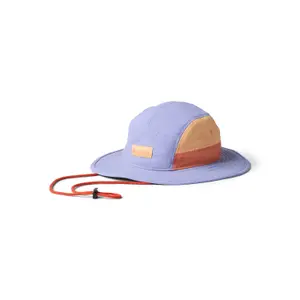
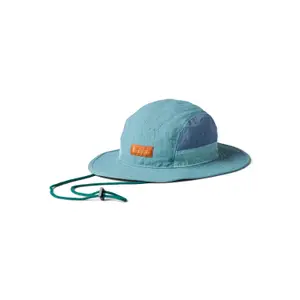
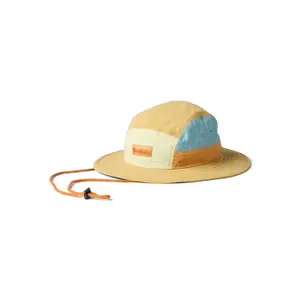
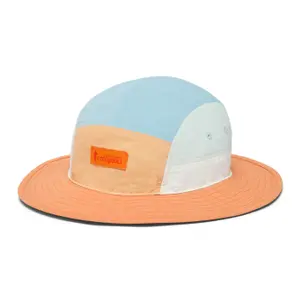
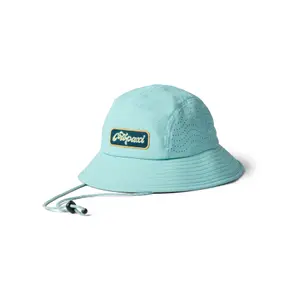
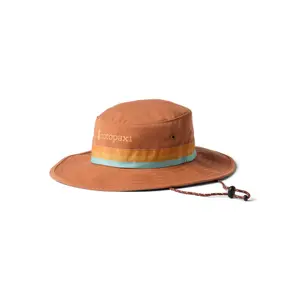


The Bobs and Hats page brings together hiking headgear that protects against the sun, wind, and rain: UV-resistant bobs, wide-brim hats, reversible or waterproof models, from Élémenterre, Cotopaxi, Outdoor Research or Pro-X Elements. Lightweight, packable into a pocket, and often featuring a chin strap, they are perfect for summer outings in the mountains or by the water.
In the mountains, protecting your head from the sun is no small matter.
Understanding the UPF rating and the EN 13758 standard
The UPF rating measures a fabric's ability to filter UVA and UVB rays: a UPF of 50 means that only one-fiftieth of UV rays penetrate the fabric. In Europe, the EN 13758 standard regulates UV-resistant textiles: it requires a UPF of at least 40 and very low UVA transmission for a garment to claim sun protection. The Alouette UV protective hat from Élémenterre therefore has a rating of UPF 40+. Protection also depends on the fabric's weave density and colour, and it can decrease when the fabric is wet or stretched.
Bucket hat or wide-brimmed hat: which shade for which terrain
The bucket hat, with a short drooping brim, covers the forehead, temples, and tops of the ears; it can be rolled up and doesn’t get in the way when looking up at a peak. The Cotopaxi Orilla and the Élémenterre Eagle follow this style. The wide-brimmed hat, like the Outdoor Research Whitefish or the Pro-X Elements Had Pro, casts a much larger shadow over the face, neck, and shoulders: it’s suitable for long days exposed in a treeless plateau or by a lake. However, it takes up more space and offers more wind resistance.
Chin strap, ventilation, and reversible models
On a ridge, a gust is enough to blow a hat away: the adjustable chin strap, worn under the chin or behind the head, keeps it in place. The mesh panels on the crown and the metal eyelets allow heat to escape from the head during ascents, and an internal band soaks up sweat before it drips into the eyes. The reversible and waterproof Élémenterre Gunsight bucket hat can be flipped inside out when a shower arrives, without needing to carry a second hat. Light colours reflect sunlight, while dark shades get dirty less easily.
Altitude, reflection, and children: why cover up
In the mountains, the intensity of UV increases by about one-tenth for every thousand metres of altitude, as thinner air filters less. Reflection adds to this: fresh snow reflects up to four-fifths of UV rays, while water and light-coloured rock reflect a lower but significant amount, meaning the face also gets UV rays from below. A wide-brimmed hat significantly reduces exposure for the scalp, forehead, and neck, the areas that burn quickest. For children, whose skin is thinner and more sensitive, a bucket hat with an adjustable cord or chin strap stays in place during play.
Good deals and new arrivals
The new arrivals showcase the latest collections, the promotions feature discounted items, and the clearance includes end-of-line products. The items shipped in 24h are prepared and sent out in 24 hours.
Frequently asked questions
What size hat should I choose?
Measure your head circumference with a tape measure, above the ears and across the middle of the forehead, then compare it to the size guide. If you’re between sizes, choose the larger one and adjust with the drawstring or chin strap.
How do I wash a hiking hat?
By hand, with lukewarm water and a mild soap, then dry it flat or placed on a round object to maintain its shape. Avoid machine washing for styles with a stiff or structured brim, which may deform.
Is a bucket hat enough for a hike in the height of summer?
For a few hours in the woods, yes. For a long day in full sun, on an exposed trail, a wide-brimmed hat better protects the neck and ears, which the short brim of the bucket hat covers minimally.
How do I store a hiking hat without damaging it?
A bucket hat can be rolled or folded into a pocket without damage. A wide-brimmed hat should be stored flat, with no weight on top, or hung by the chin strap: a compressed brim kept for long periods will hold the crease mark.
Does a UV protective hat lose its effectiveness over time?
It may lose some protection if it wears out, stretches, or fades in the sun. Fabrics that rely on weave density retain their protection better than those that depend on a treatment, which may diminish over time with washing.






