
Hiking accessories

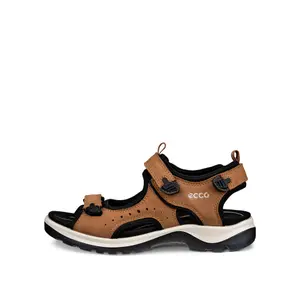
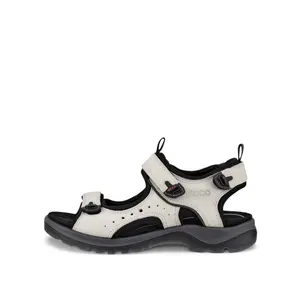


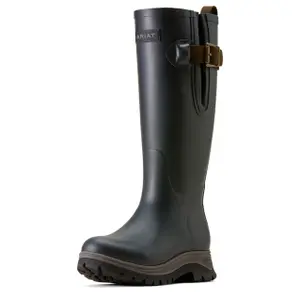


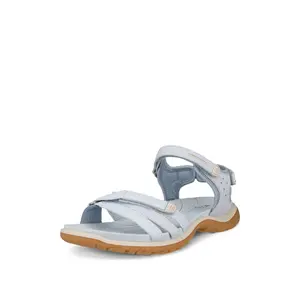


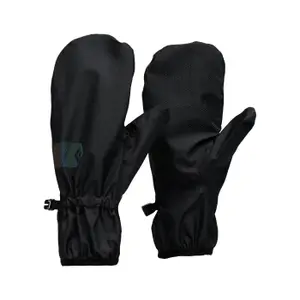


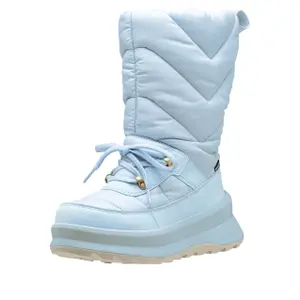


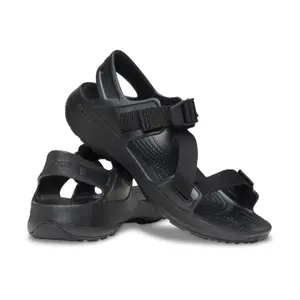


Hiking accessories include what protects the head and guides the walker: sun hats, caps, and UV-protective hats Élémenterre, headbands Helly Hansen, beanies, neck gaiters, and balaclavas for the cold, water bottles, GPS watches, and compasses. A selection designed for a day in the foothills as well as for trekking, for both adults and children.
Small pieces of equipment often make the difference between an enjoyable outing and a difficult day.
UPF Index: How a Headgear Filters UV
UV-protective headgear is assessed by its UPF rating, measured according to the European standard EN 13758-1: a fabric rated UPF 50+ allows only about one-fiftieth of ultraviolet light through, while a regular lightweight cotton lets in much more. This protection matters when hiking, as UV intensity increases by about one-tenth for every thousand meters of altitude, and fresh snow reflects a large portion back towards the face.
The bucket hat and the wide-brim hat, like the Élémenterre Alouette hat, protect both the forehead, ears, and neck. The cap mainly protects the eyes and forehead: it benefits from having a back flap when the sun is high.
Neck-flap Cap or Reversible Bucket Hat: the Élémenterre Models
The neck-flap cap, like the Élémenterre Albatros, combines a brim that shades the eyes with a piece of fabric that falls over the neck and upper shoulders, which burn the fastest on an exposed ridge. The Ibis cap, made from five panels, keeps a lighter shape for quick outings. On the bucket side, the Eagle features a soft UV-protective fabric that rolls into a pocket of the bag, and the Gunsight, reversible and waterproof, provides two colours in one bucket hat and stands up to afternoon storm showers.
The simpler Alouette bucket hat is perfect for family walks and long breaks by a mountain lake.
Headband, Beanie, Neck Gaiter: Covering Up When It Gets Chilly
In the mountains, the temperature drops on average by six to seven degrees per thousand meters: a pass reached in the early morning can be icy even in August. The headband, like the Helly Hansen Light, covers the ears and forehead without keeping the top of the head warm, which is suitable for climbing. The beanie takes over when stopped, at the summit or at a refuge, and a merino wool version remains comfortable even when damp from sweat.
The neck gaiter, a simple tube of stretchy fabric, can be worn as a scarf, headband, or light balaclava depending on the wind. The full balaclava, it, is reserved for severe cold and winter outings with snowshoes.
GPS Watch or Compass: Two Tools for Navigation
The GPS watch records the route, altitude, and accumulated elevation gain, and some models display a map and guide step by step on a pre-loaded route. Its weak spot remains battery life: with continuous recording, the battery drains on a multi-day trek, hence the importance of a power-saving mode.
The compass, paired with a 1:25,000 topographic map, works without batteries or network. It is oriented on the map to take a bearing, and then you follow this heading on the ground by aiming at a fixed landmark. Knowing how to use it remains a safety measure in fog when the screen is no longer sufficient or when the battery fails.
All Accessories
Accessories are organized by use:
- Heart Rate and GPS Watches, to track route and elevation.
- Bucket Hats and Hats, UV-protective or waterproof.
- Beanies, for cold weather and refuge evenings.
- Caps, with or without neck flap.
- Headbands, for ears and sweat.
- Neck Gaiters, versatile for all seasons.
- Balaclavas, for severe cold.
- Flasks, insulated or lightweight.
- Navigation, compasses, and navigation accessories.
The hiking shoes, men's clothing, women's clothing, and children's clothing, the luggage, gear, and trekking complete the kit, on the hiking page.
Good Deals and New Arrivals
The new arrivals showcase the latest collections, the promotions feature discounted items, and the clearance sale covers end-of-line products. Items shipped within 24 hours are prepared and sent out in a day. The Black Friday, year-end celebrations, winter sales, and French Days punctuate the year.
Frequently Asked Questions
What flask capacity should I prepare for a day of hiking?
It is often estimated that one should drink half a litre of water per hour of effort in hot weather, a bit less in cool weather, which totals one and a half to two litres for the day. An insulated flask keeps water cool in the sun, while a lightweight flask is essential when every gram counts.
What headgear should I choose to protect a child while hiking?
A bucket hat or wide-brimmed hat, preferably rated UPF 50+, protects the face, ears, and neck, which are more sensitive in children. A lightweight model that rolls up in the bag is ready as soon as the trail leaves the shade of the forest.
How should I wash a UV-protective bucket hat or cap?
By hand or in a machine at thirty degrees in a net, with a gentle detergent, followed by flat drying and shading. The protection of a UPF textile mainly relies on its tight weave: avoid stretching it or putting it in the dryer, which can deform it.
What should I pack in my bag for a day trip in the mountains?
A headgear against the sun, a beanie or headband for breaks at the summit, enough water, and a map and compass in addition to the phone. These accessories are lightweight and prevent the need to turn back at the first sign of changing weather.
Is a GPS watch useful for a beginner hiker?
It is not essential on a marked path, but it helps to monitor one's pace and elevation gain to improve from one outing to the next. For beginners, the essential remains to know how to read the signs and the map, with the watch then enriching the experience.






