
Heart rate and GPS watches for hiking
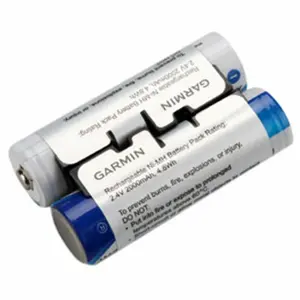
The Heart Rate and GPS Watches bring together hiking watches, pocket GPS devices, and accessories, such as rechargeable batteries Garmin, to track a route and measure effort in the mountains.
For hiking, a GPS watch is primarily judged by its battery life and altimeter.
Altimeter, compass and return to start
A hiking watch measures altitude in two ways. The GPS gives an approximate altitude, while the barometric altimeter, which measures air pressure, offers much better accuracy on elevation gain, provided it is calibrated at the start on a known altitude. The pressure also acts as a barometer: a rapid drop indicates worsening weather.
Navigation functions follow a pre-prepared route and offer a return to starting point if in doubt. The electronic compass complements the set, without replacing a real compass and a map, which work without batteries.
Battery life: the key in the mountains
The announced battery life depends on settings. The GPS in precise mode, continuous heart rate measurement and a lit screen consume a lot, while power-saving modes space out position readings. Solar-powered watches extend battery life on multi-day hikes. A small external battery and charging cable remain the best allies for long hikes.
Pocket GPS and batteries
Pocket GPS, larger than a watch, display readable maps and work with batteries or rechargeable batteries, like the Garmin NiMH battery, which can be easily replaced at a refuge. This is their main advantage on long hikes: a spare battery set is enough to continue, without needing a power outlet. Rechargeable NiMH batteries can withstand many charge cycles and perform better in the cold than many alkaline batteries.
Other accessories
Hiking accessories extend to:
- Bobs and hats, UV-protective or waterproof.
- Beanies, for the cold.
- Caps, with or without neck covers.
- Headbands, for the ears.
- Neck gaiters, versatile.
- Balaclavas, for extreme cold.
- Flasks, insulated or lightweight.
- Navigation, compasses and maps.
All of these are available on the accessories page.
Good deals and new arrivals
The new arrivals showcase the latest collections, the promotions show discounted items, and the clearance features end-of-line products. Items shipped within 24h are prepared and dispatched within 24 hours. The Black Friday, the end-of-year holidays, winter sales, and French Days mark the year.
Frequently asked questions
Barometric altimeter or GPS: which measures altitude better?
The barometric altimeter, which measures air pressure, is far more accurate on elevation gain than the GPS, provided it is calibrated at the start on a known altitude. The pressure also acts as a barometer: a rapid drop indicates worsening weather.
How to extend the battery life of a GPS watch in the mountains?
The GPS in precise mode, continuous heart rate measurement, and a lit screen consume a lot: a power-saving mode that spaces out readings lasts much longer. Solar-powered watches and a small external battery secure multi-day hikes.
Why choose a pocket GPS over a watch?
Larger than a watch, it displays readable maps and operates with batteries or rechargeable batteries that can be replaced at a refuge. On a long hike, a spare battery set is enough to continue without a power outlet.
Does a GPS watch replace a map and compass?
No: its electronic compass complements a real compass and a map, without replacing them, as they work without batteries. Navigation functions follow a pre-prepared track and offer a return to the starting point if in doubt.
Do NiMH batteries resist the cold?
Rechargeable NiMH batteries, like the Garmin battery, perform better in the cold than many alkaline batteries and withstand many charge cycles. In winter, keeping them in an inner pocket also preserves their charge.






