
Hiking and mountain hats


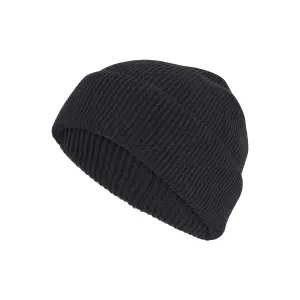
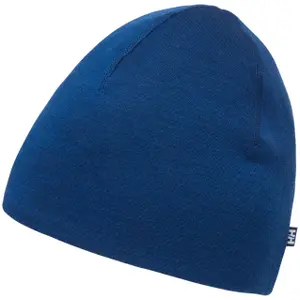


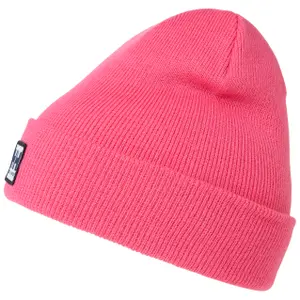
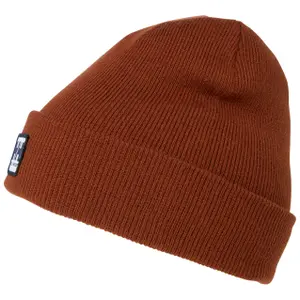
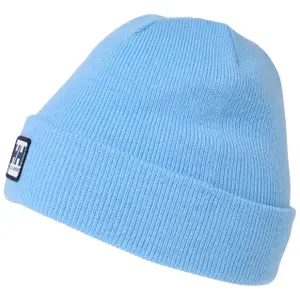


The Beanies page for hiking brings together wool beanies, lined beanies, thin beanies and pompom beanies, from Haglöfs, Mammut, Montane, adidas Terrex, Highlander, Trekmates, Preston or Verjari.
A lightweight accessory that fits into your pocket and makes all the difference during breaks and at the summit.
The head, an exposed area
The idea that we lose half of our heat through our head is a myth: an article in the British Medical Journal published in 2008 reminded us that the head does not lose more heat than the rest of the body when the surface area is equal. But while hiking, it's often the only part uncovered, along with the hands, and the wind cools the ears quickly. A hat worn during breaks or at the pass keeps the heat accumulated during the ascent, and it can be taken off as soon as effort resumes.
Wool, merino or synthetic
Wool, especially merino wool, stays warm even when damp from sweat and limits odours: it’s the go-to material for mountain hats, as seen with Haglöfs or Mammut. Synthetic fibre hats, like the adidas Terrex Multi or the Preston Heavyweight, dry faster and withstand frequent washing better. The fleece-lined models, like the Highlander Beira, add a soft layer against the forehead and ears, which are the most sensitive to the wind.
Thin, thick or water-repellent
A thin tightly knit hat can be worn under the hood of a waterproof jacket without causing discomfort, making it suitable for active outings where you sweat. A thick hat or one with a pom-pom, like the Haglöfs Malung or the Trekmates Kurber, is reserved for breaks, camping, and calm winter days. In light rain, a water-repellent hat prevents the wool from soaking up water. The rule is the same as for clothing: adjust the layer to the effort, and a spare hat at the bottom of the bag often saves a cold end to the day.
Other accessories
A hat is complemented by a neck gaiter to close the neckline, or a headband that covers the ears without causing the scalp to sweat. In extreme cold, balaclavas protect the entire face. In summer, caps, buckets and hats take over, and water bottles, GPS watches, and navigation accessories complete the gear, on the accessories page.
Good deals and new arrivals
The new arrivals present the latest collections, the promotions show discounted items, and the clearance features end-of-line products. Items shipped within 24 hours are prepared and sent out in 24 hours.
Frequently asked questions
Do we really lose half of our heat through our head?
No, it’s a myth: an article in the British Medical Journal published in 2008 reminded us that the head does not lose more heat than the rest of the body when the surface area is equal. But uncovered, it cools quickly in the wind.
What material should a hat be for a hike where you sweat?
Merino wicks moisture away and stays warm even when wet, without retaining odours, and synthetic fabric dries even faster. Classic thick wool, which is very warm, is better for breaks than for climbing.
How do you choose the size of a hat?
Measure around your head above the ears and forehead. A hat should cover the ears without squeezing: too tight, it causes pain in your head; too loose, it allows the wind to pass through.
Is a fleece-lined hat useful?
Yes, the fleece lining blocks the wind that comes through the wool knit and avoids itching on the forehead. It’s a good choice for windy ridges and winter hikes.
How do you wash a wool hat?
By hand, in lukewarm water with wool detergent, without scrubbing or twisting. Press it in a towel to remove excess water, then dry it flat to maintain its shape.






