
Hiking and Trail Headbands


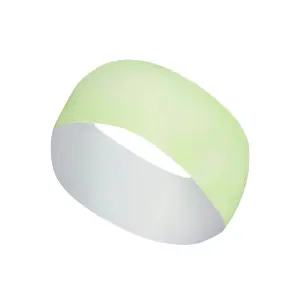
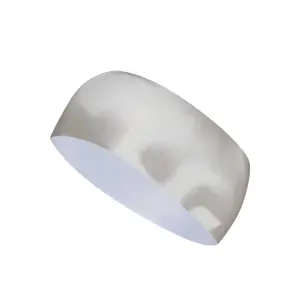


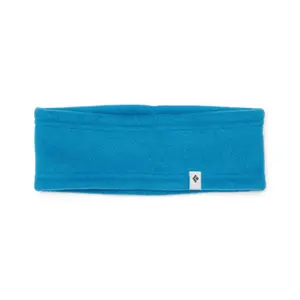
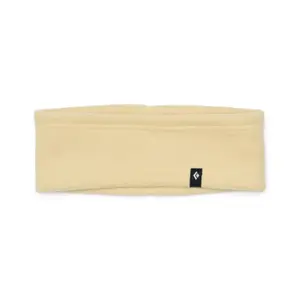


The Bands page brings together warm bands and technical bands for hiking and trail running, from VAUDE, Helly Hansen, Cairn, Viking or Lhotse.
Ears warm, head breathing, from windy collar to summer trail.
Between Headband and Cap
The headband covers the ears and forehead but leaves the top of the head exposed. It’s the ideal accessory for exercise in cool weather: going uphill, the body generates a lot of heat, and a beanie would quickly cause sweating, while the ears, thin and exposed to the wind, cool off very fast. The headband protects the essentials without overheating and can be tucked away in a pocket when the sun comes out.
Warm or Technical Materials
The headbands made of fleece or thick knit, like the Viking Berg or the Cairn Zelie, keep the ears warm in strong winds, some with a windproof membrane. The fine technical headbands, like the Helly Hansen Light or the VAUDE Cassons, are made for effort: they wick away sweat and dry quickly. VAUDE, founded in 1974 in Germany by Albrecht von Dewitz, takes its name from the initials of its founder, pronounced in the German way.
In Summer, Against Sweat
In summer, a thin headband absorbs the sweat from the forehead and prevents it from running into the eyes, where the salt stings and blurs vision, especially with sunscreen. It also keeps long hair in check. A headband should be chosen snugly enough to stay in place without compressing and can be washed at 30 degrees after each summer use, as the sweat is absorbed by the knit.
Other Accessories
The headband is complemented by beanies, neck gaiters, balaclavas, caps, hats and caps, water bottles, GPS watches, navigation accessories, on the accessories page.
Good Deals and New Arrivals
The new arrivals showcase the latest collections, the promotions feature reduced price items, and the clearance includes end-of-range products. Items shipped within 24 hours are prepared and sent out in 24 hours.
Frequently Asked Questions
Headband or Beanie: What to Wear When Hiking in Cool Weather?
The headband covers the ears and forehead but allows the top of the head to breathe: ideal when going uphill, as the body generates a lot of heat. The beanie takes the advantage when stopping, at the summit, or in very cold weather.
What Material for a Winter Headband?
A fleece headband or one lined with fleece keeps warm and blocks the wind on the ears. Merino, being thinner, regulates temperature and reduces odours: it’s suitable for long outings where you alternate between effort and breaks.
Why Wear a Headband in Summer?
A thin, breathable headband absorbs sweat from the forehead before it runs into the eyes, especially while going uphill or during trails. Wet it in a stream, and it also cools the head in intense heat.
How to Choose the Size of a Headband?
Most headbands are one-size-fits-all and stretchy. It should stay in place during movement without squeezing the temples: too tight, it gives headaches; too loose, it slips down over the eyes with every step.
Can You Wear a Headband Under a Cap or Helmet?
Yes, a thin headband can fit under a cap to protect the ears from the wind or under a climbing or cycling helmet. Choose a flat model without thick seams to avoid pressure points.






