
Balaclavas for the mountains and cold
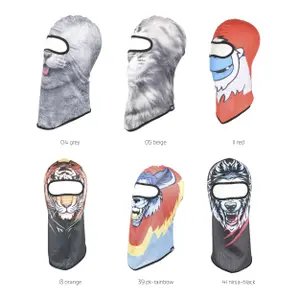
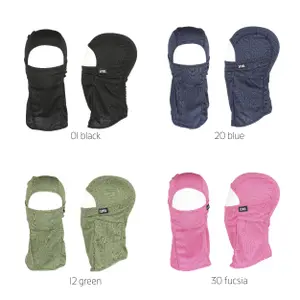


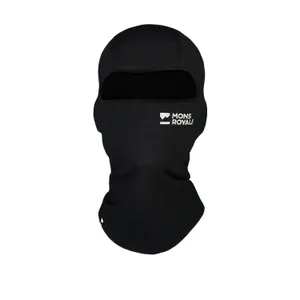
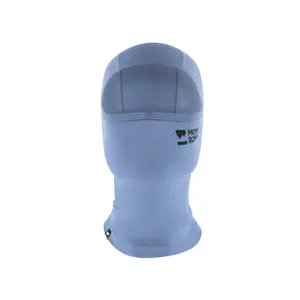
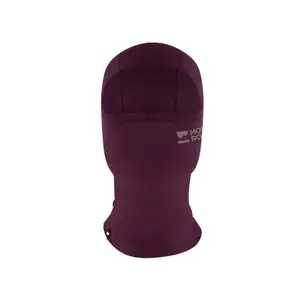
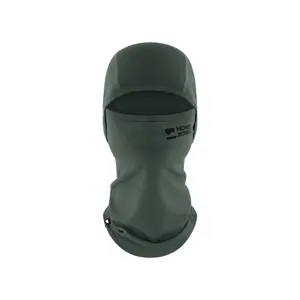
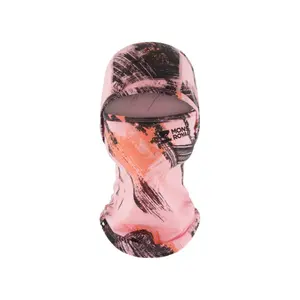
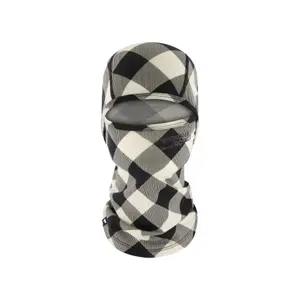
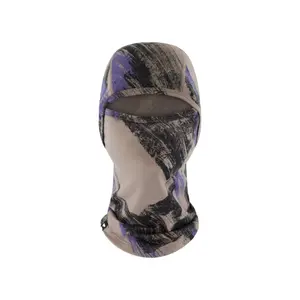
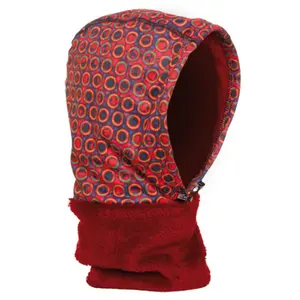
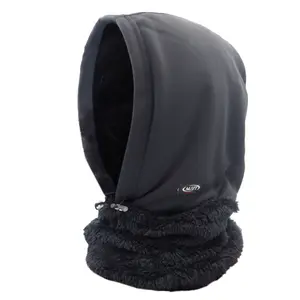
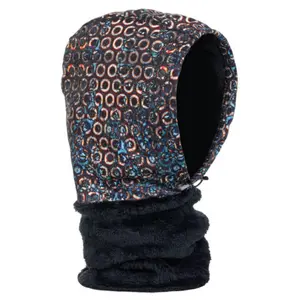
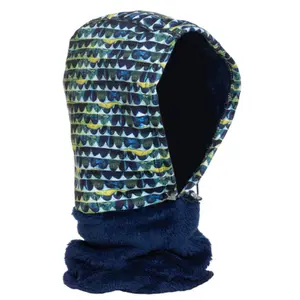
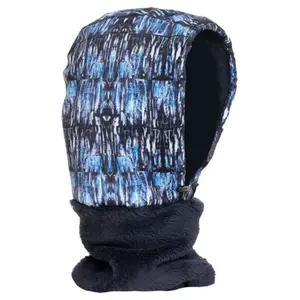
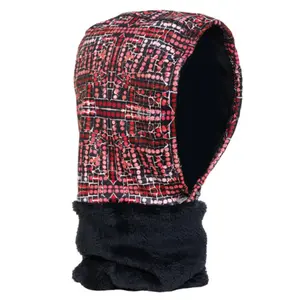
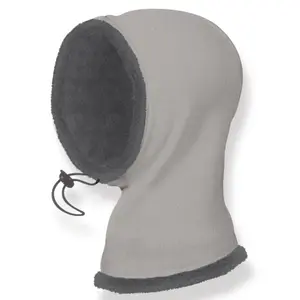
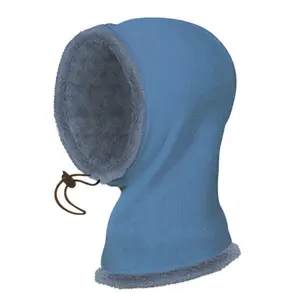
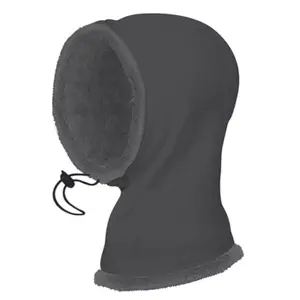
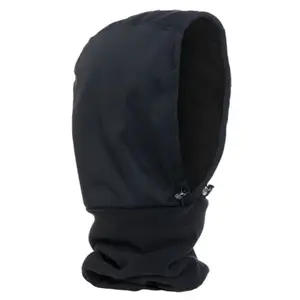
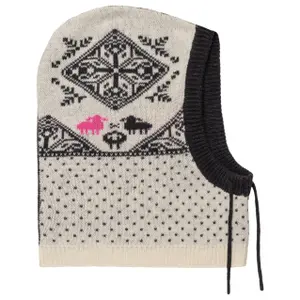
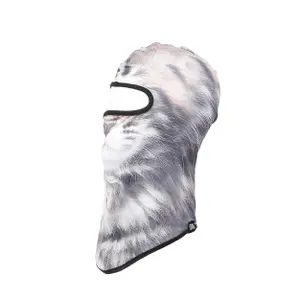
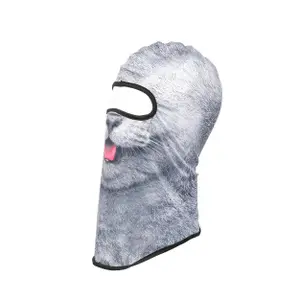
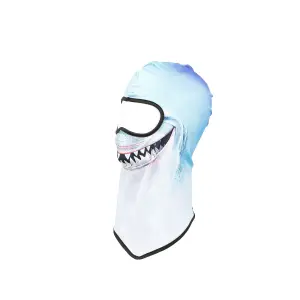
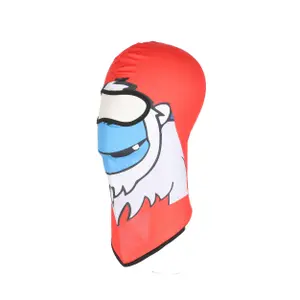
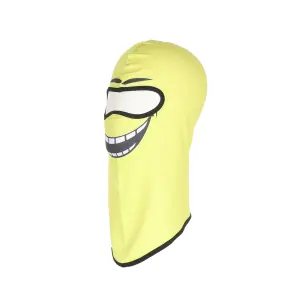
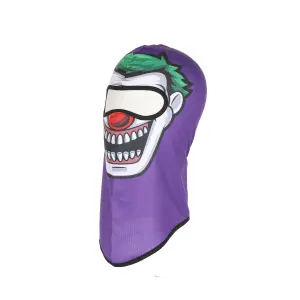
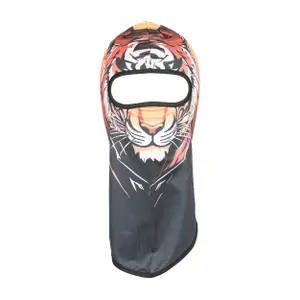
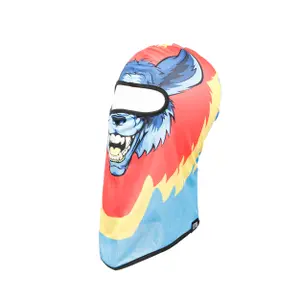
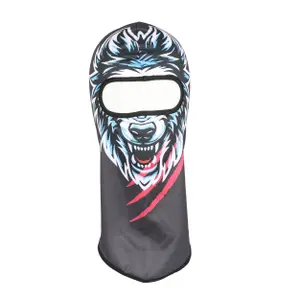
The Balaclavas page brings together balaclavas and snow caps for winter hiking, mountaineering, ski touring, and outings in extreme cold: merino wool models for activity, fleece for breaks, windproof or flexible panels, and thin versions that fit under a helmet, for both adults and children.
Keep your face protected when the wind bites on the ridges.
From the Crimean War to the Mountain
The balaclava, known as a cagoule in French, gets its name from the Battle of Balaklava, fought in Crimea in 1854: during this war, British soldiers, badly equipped for the winter, were given knitted headwear that covered the head and neck. The term became widely used a few decades later to refer to this covering hat. The cagoule has become the go-to accessory for mountaineers, skiers, and anyone facing icy winds, as it provides all-round protection for the head, ears, neck, and lower face. In French, it's also referred to as a passe-montagne, a name that clearly indicates its use at altitude.
Merino, Fleece, Windproof: Materials and Cuts
The cagoule made from merino wool regulates temperature and limits odours, making it ideal for strenuous efforts and multi-day trips. The fleece provides more warmth for breaks and bivouacs, and models with windproof panels on the forehead and cheeks block gusts from the peaks. Articulated cagoules, which have hinges at the ears, can be worn open as a collar or pulled up over the nose. The areas of mesh fabric in front of the mouth prevent the moisture from breath freezing against the fabric, an important detail when the thermometer drops below minus ten degrees.
Under a Skiing or Mountaineering Helmet
Thin and seamless, a cagoule fits comfortably under a helmet for skiing or mountaineering without hindering the fit: lightweight fabrics in synthetic or fine merino are made for this. A cagoule that is too thick alters the fit of the helmet and reduces its protection. It should be snug without being constrictive, with an opening that keeps the eyes clear for the goggles or glasses, without leaving any exposed skin on the forehead. For children while skiing, it protects the neck and cheeks better than a scarf, with no ends flapping that might get caught in the ski lifts.
The Other Accessories
The cagoule is complemented by beanies, neck gaiters, headbands, caps, hats and caps, water bottles, GPS watches, navigation accessories, found on the accessories page.
Good Deals and New Items
The new arrivals showcase the latest collections, the promotions feature discounted items, and the clearance includes end-of-line products. The items shipped in 24h are prepared and dispatched within 24 hours.
Frequently Asked Questions
How do you wash a merino wool cagoule?
Wash it at thirty degrees on a wool cycle or by hand, using a mild detergent and no fabric softener. Lay it flat to dry, away from radiators, to keep it in shape: merino needs less frequent washing as it retains little odour.
What size cagoule should I choose?
Most adult cagoules come in one size thanks to their stretchy fabric, with smaller versions for children. It should fit snugly without being tight: if too loose, it lets the wind in, and if too tight, it compresses the ears.
Which cagoule is best for ski touring?
A thin, breathable fabric, either merino or synthetic, wicks away sweat during climbs. A fleece cagoule, being warmer, is suitable for ski lifts and very cold days.
Is a cagoule suitable for winter running?
In very cold temperatures and strong winds, a thin, breathable cagoule protects the face and warms the air you breathe in. You can pull the lower part under the chin when your body warms up.
Does a cagoule protect against the sun at altitude?
Yes, it covers the neck, ears, and lower face, which are highly exposed to reflection off the snow. Use sunscreen on the nose and cheekbones, which often remain uncovered.






