
Women's hiking clothing


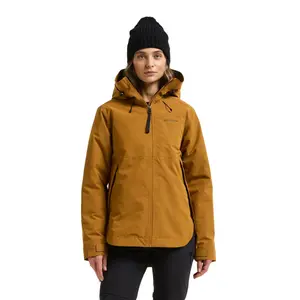


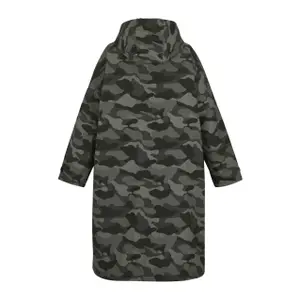


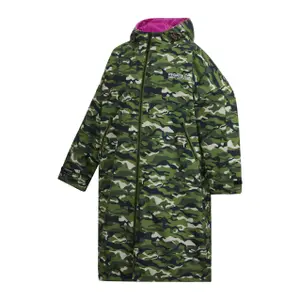


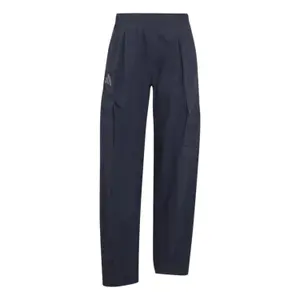

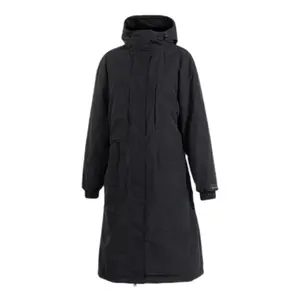
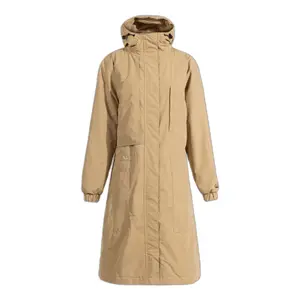


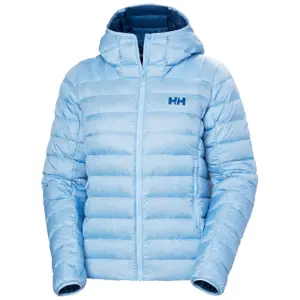

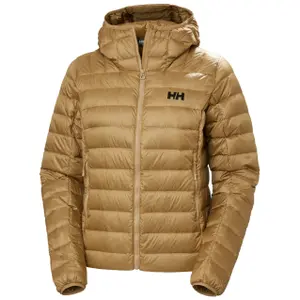
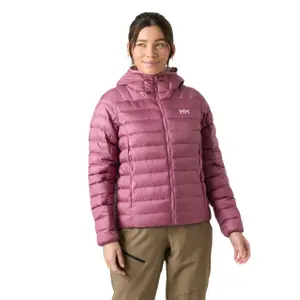


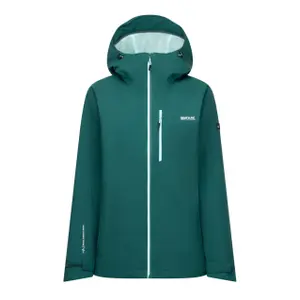


The Women’s Hiking Clothing includes parkas, waterproof jackets, fleeces, trousers and base layers from Didriksons, Helly Hansen, Elliker, VAUDE or adidas.
A women's jacket is not just a smaller version of a men's jacket: the cut, length and hood make all the difference.
A cut designed for the female shape
Technical women's clothing is made on specific patterns, not just scaled down. The shoulders are narrower, the waist is more defined, and the hips are wider, allowing a jacket to close without pulling at the hips while still fitting snugly at the shoulders. The sleeves are slightly shorter, and the armhole follows a slimmer shoulder to prevent the jacket from riding up when raising the arms to use trekking poles or adjust a bag.
This fit is important for the effectiveness of the jacket. An overly loose garment lets cold air circulate and flaps in the wind, whereas a too-tight garment compresses the mid-layers and reduces their insulation. The best guideline is to try the jacket over the fleece you'll wear while hiking, ensuring that the hem covers the lower back when bending forward.
Long parkas and rain jackets
Length is the first criterion for choice. A short jacket that hits at the hip allows for free movement and is suitable for active walking and mountain use. A long parka, like the Didriksons Leya or Erika, falls to the thighs: it offers better protection from wind and rain during breaks, slow outings, and daily commutes, albeit at the cost of reduced freedom of movement on steep ascents. The side slits on long parkas add ease to the stride.
Didriksons, founded in 1913 in a fishing village on the Swedish west coast, initially made waterproof gear for sailors before specializing in rainwear for the city and outdoors. The waterproof jacket Jennie showcases this know-how, featuring an enveloping hood and sealed seams. The British brand Elliker, with its Ayre model, also offers long waterproof jackets designed for the countryside.
Hoods, pockets, and adjustments
The details make a difference in the downpour. A three-point adjustable hood on the sides and back moves with the head without blocking visibility, and a stiff peak keeps water off the face. The ventilation openings under the arms, opened by a zipper, release heat during ascents without removing the jacket. Pockets positioned high remain accessible even with the belt of the backpack buckled.
Adjustable Velcro cuffs prevent water from running down the arms, and a drawstring at the bottom of the jacket keeps out the wind. The Helly Hansen Verglas jacket, designed for the mountains, incorporates these adjustments in a more technical cut, while parkas focus on comfort and coverage.
Trousers, bras, and base layers
A women's hiking trouser often has a higher back waistband and stretchy fabric to accommodate movement without slipping when sitting or stepping over obstacles. Convertible models, with legs that detach via a zipper, transform from trousers to shorts throughout the day.
Under the jacket, the bra should provide medium support for walking, reinforced for brisk hiking or trail running, in a quick-drying synthetic material. A base layer in merino wool or polyester wicks away sweat, while a fleece provides insulation during breaks. This layering system allows adjustments for different times of the day.
The complete hiking outfit
Women's textiles are organized by type of clothing:
- Parkas and down jackets, for cold, rain, and breaks.
- Windbreakers and jackets, waterproof or simply wind-resistant.
- Sweatshirts and jumpers, for cool evenings and shelters.
- Technical T-shirts and tank tops that dry quickly.
- Base layers against the skin.
- Bras, to choose based on walking intensity.
- Trousers and leggings, including convertible and stretchy models.
- Shorts, for summer hikes.
- Walking socks and ankle socks, reinforced in friction areas.
- Lightweight shirts that protect from the sun.
The hiking shoes, luggage, accessories, equipment, and trekking complete the gear, and the men's textiles and children's textiles outfit the whole family. Everything is on the hiking page.
Good deals and new arrivals
The new arrivals showcase the latest collections, the promos feature discounted items, and the clearance offers end-of-line products. Items shipped within 24 hours are prepared and dispatched quickly. Black Friday, the holiday season, winter sales, and French Days punctuate the year.
Frequently asked questions
Why choose a women's hiking jacket?
A women's jacket follows a specific pattern: narrower shoulders, defined waist, wider hips, and slightly shorter sleeves. It closes without pulling at the hips and fits snugly at the shoulders, which a scaled-down men's jacket does not allow.
What length of waterproof coat for walking?
A long parka, like those from Didriksons, protects the thighs and is suitable for walks and day-to-day use. For active hiking, a short jacket allows for greater freedom of movement for the legs and interferes less with the belt of the backpack.
How to dress in layers for a hike?
A breathable base layer wicks away sweat, a fleece provides insulation, and a waterproof jacket protects from wind and rain. You add or remove a layer based on effort and weather, rather than wearing one thick garment.
What hiking trousers to choose for a woman?
Stretchy, water-resistant trousers with an adjustable waistband accommodate climbs without restriction. Convertible models, with removable legs, adapt to warming days.
What bra to wear for hiking?
A light to medium support is sufficient for walking, with breathable, quick-drying material. Avoid thin straps under a loaded bag: wide or crossed straps distribute pressure better.






