
Hiking shoes
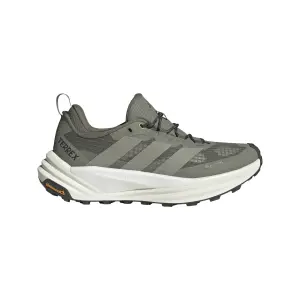
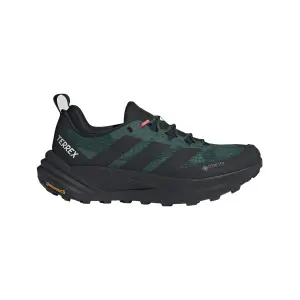
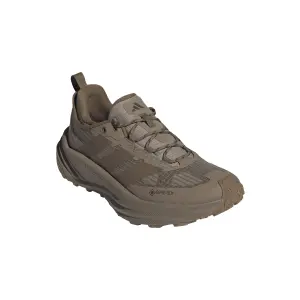
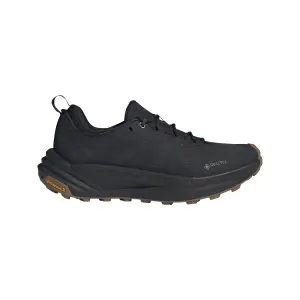


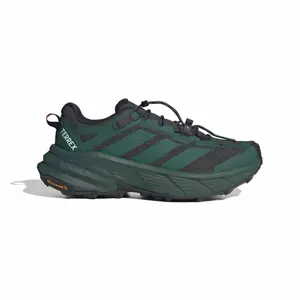


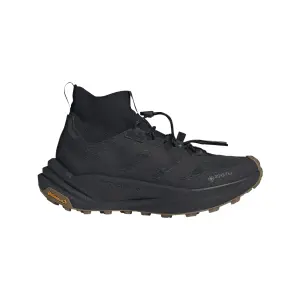
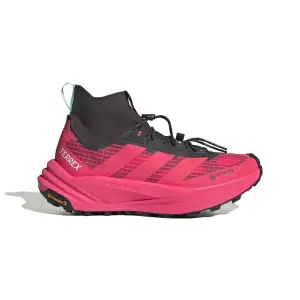


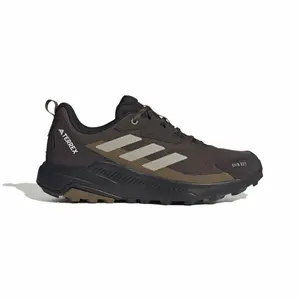


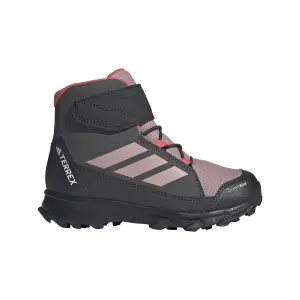
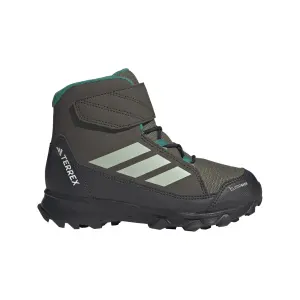
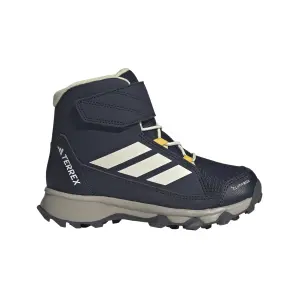


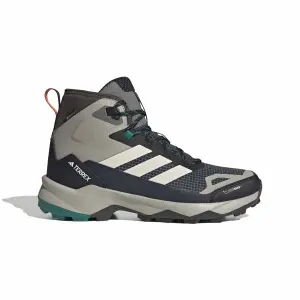


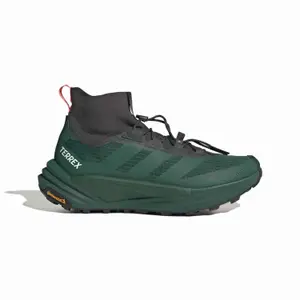
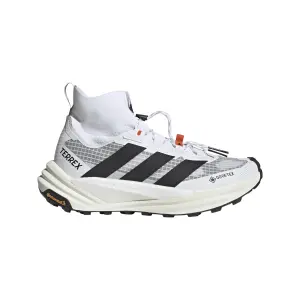
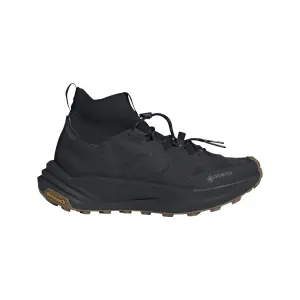
Starting at £183.44
£125.49


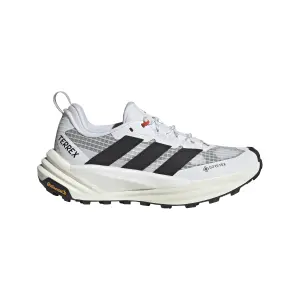
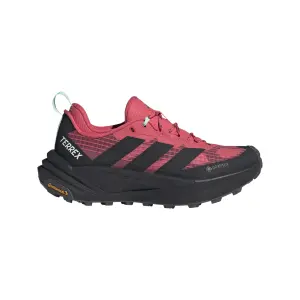
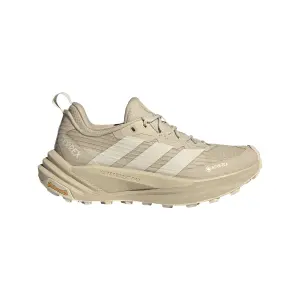
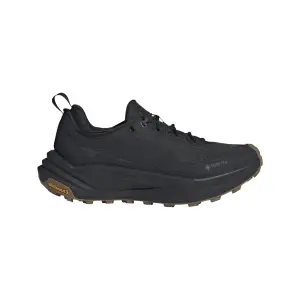


Hiking Shoes include low, mid-cut, and high-top models for walking, day hikes, and trekking, from adidas Terrex to Meindl, Helly Hansen, Regatta, or Whistler.
Stiffness, sole, membrane, and size: four criteria are enough to find the right pair for your terrain.
Stiffness Categories
Specialized manufacturers classify their walking shoes based on a stiffness scale from A to D, which indicates the terrain for which they are designed. Category A includes soft shoes, suitable for easy paths and day hikes without a heavy pack. Category B refers to stiffer shoes that support the foot on uneven terrain even with a loaded pack: this is the case for the Meindl Kansas GTX, classified B by the brand. Categories C and D pertain to high mountains, featuring nearly rigid soles compatible with crampons.
A shoe that’s too stiff for the terrain can strain the foot on easy paths since it hinders its natural movement. Conversely, a shoe that’s too flexible allows the foot to twist on rocky surfaces and strains the ankle on descents. For the vast majority of hikes in the foothills, a category A or A/B is sufficient, with category B becoming useful as the pack gets heavier or the trails become rough.
Outsoles: Rubber, Crampons and Cushioning
Grip depends on the rubber mixture and the tread design. Several adidas Terrex models, like the Free Hiker, use a Continental rubber, known for its traction on wet rock. Others feature a Traxion sole, with multidirectional lugs that grip the ground and brake on descents. Spaced lugs better shed mud, while finer and more numerous lugs provide more contact area on rock.
Cushioning, once a secondary concern in hiking, has gained importance with trail-inspired models. The Free Hiker combines its mesh upper with a Boost midsole, derived from running, which returns energy with every step and lightens the feeling of fatigue over long distances. The Skychaser adopts a lower profile more akin to a trail shoe, while the Eastrail and Trailmaker offer a versatile entry-level option for marked trails.
Waterproof Membrane or Ventilated Upper
A Gore-Tex membrane, indicated by the GTX label in the model name, keeps the foot dry in the rain, morning dew, or while crossing a stream, all while allowing some sweat to escape. It is valuable in autumn, spring, and the mountains, where the weather can change rapidly. In high heat, it might make the shoe feel warmer than a model without a membrane.
Some models take the opposite approach. The Terrex Boat Climacool, for instance, features a highly perforated upper that lets water in and out quickly, ideal for waterside hikes, riverbanks, and hot weather. Winter models with linings, like those in the Climawarm line, add thermal insulation for walking on snow. Therefore, the right choice primarily depends on the season and the terrain you walk on most often.
Size and Lacing for Downhill
On hikes, the foot swells over the hours and slides forward when descending. A hiking shoe should be chosen with about a centimetre of space in front of the toes, the equivalent of a finger being slid between the heel and the back of the shoe, with the foot pushed forward. If it’s too tight, the shoe makes the toes hit the front with each step downhill, causing black toenails and pain.
Fitting should be done at the end of the day, with the hiking socks you’ll be wearing. The lacing finalizes the adjustment: tight across the instep to secure the heel, looser at the top of the upper to allow the ankle to flex. Women’s models, like the Regatta Edgepoint, are made on narrower lasts at the heel, not just scaled down to smaller sizes.
Maintaining Your Shoes
After a muddy outing, rinse the shoe with clear water using a soft brush, including the sole, and let it dry in the open air, laces loosened and insoles removed. Radiators and hairdryers should be avoided: direct heat dries out leather and may detach the sole. Crumpled newspaper inside speeds up drying.
Leather should be conditioned occasionally with an appropriate product, and textile or nubuck uppers regain their water repellency with a waterproofing spray, applied to clean and still slightly damp shoes. Well-maintained shoes keep their membrane effective for longer, as dirt embedded in the outer fabric prevents sweat from escaping.
Men's, Women's, Children's Shoes and by Brand
The selection is organized by audience and brand:
- Men's shoes, from low lightweight hiking models to high trekking boots.
- Women's shoes, designed on shapes suited to the female foot.
- Children's shoes, soft and easy to lace for first family hikes.
- Meindl, a Bavarian manufacturer of leather walking shoes, including the Kansas GTX.
- Helly Hansen, the Norwegian brand with waterproof models like the Garibaldi.
- Jack Wolfskin, for versatile outdoor shoes.
For the rest of the gear, men's clothing, women's clothing, and children's clothing complete the outfit, luggage combines bags, accessories, and gear is for small equipment, while trekking is for overnight equipment. Everything is gathered on the hiking page.
Good Deals and New Arrivals
The new arrivals showcase the latest models, the promotions feature reduced-price shoes, and the clearance shows end-of-line products. Articles shipped within 24 hours are prepared and sent in 24 hours, handy before a trip. Throughout the year, Black Friday, the end-of-year holidays, winter sales, and French Days in spring are major occasions to stock up.
Frequently Asked Questions
What do categories A, B, C, and D mean?
They classify the rigidity of shoes based on the terrain: A for easy paths, B for uneven terrains, C for mountainous terrain and heavy pack, D for high mountains and glacier crampons.
Which hiking shoe for wide feet?
Choose a manufacturer that offers wide fits, like some Meindl models, and prefer a leather upper that adapts to the foot. Try them on at the end of the day, with your hiking socks.
How to lace shoes for downhill?
Fasten the instep and the top of the upper tightly to secure the heel and prevent toes from hitting the front. A locking knot at the hook separates the tightening of the lower and upper parts of the shoe.
How to clean hiking shoes?
Brush off dry mud, rinse with clear water, and let them dry in the air, away from a heat source, with insoles removed. Condition the leather and reactivate the waterproofing from time to time.
Which hiking shoe for summer?
In hot, dry weather, a low or mid-height, lightweight and ventilated shoe, like some adidas Terrex models, helps avoid overheating the foot. Keep a waterproof membrane if you often cross wet areas.






