
Helly Hansen, Norwegian hiking


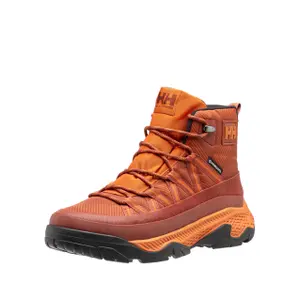


The Helly Hansen page brings together hiking and walking shoes from the Norwegian brand, designed for wet trails and changing climates.
The expertise of Norwegian sailors, applied to hiking shoes.
Born from the sea in 1877
Helly Hansen was founded in 1877 in Moss, Norway, by sea captain Helly Juell Hansen and his wife, who made oilskin clothing to protect sailors from rain and spray. The brand has remained true to this mission: to protect from the elements. It now outfits professionals from sea and mountain, applying this expertise to its hiking shoes.
The Helly Tech membrane
The waterproof Helly Hansen shoes use the Helly Tech membrane, developed by the brand: it keeps water out while allowing some sweat vapour to escape. A waterproof shoe is essential in morning dew, wet meadows and stream crossings; in the middle of summer on a dry trail, an unlined model stays cooler.
Choosing and caring for your shoes
A low shoe is suitable for easy trails and fast walking, while a high shoe supports the ankle on stony terrain and when carrying a pack. Try on your shoes at the end of the day when your feet have swollen, with your hiking socks, and leave about a centimetre of space in front of your toes for descents. After a trip, brush them off, let them dry away from any source of heat, and revive their water repellency with an appropriate spray.
Other brands and audiences
Shoes are also available by audience, men, women, children, and from Meindl, Jack Wolfskin, on the hiking shoes page.
Good deals and new arrivals
The new arrivals showcase the latest collections, the discounts feature items at reduced prices, and the clearance includes end-of-line products. Items shipped in 24 hours are prepared and sent out within 24 hours.
Frequently asked questions
Where does the brand Helly Hansen come from?
Helly Hansen was founded in 1877 in Moss, Norway, by Captain Helly Juell Hansen and his wife, who made oilskin clothing to protect sailors from rain and spray.
Does a Helly Tech shoe stay waterproof in the rain?
Yes: the Helly Tech membrane keeps water out while allowing vapour produced by the foot to escape. It protects in dew, mud, or a downpour, as long as trousers or gaiters prevent water from entering at the top.
Low or high shoes for hiking?
The lightweight low shoe is suitable for well-marked paths and short outings. The high shoe supports and protects the ankle from impacts on stony ground or when carrying a pack: it is a must in the mountains.
Do Helly Hansen shoes fit normally?
They generally fit true to size. Try them on at the end of the day with hiking socks: the heel should stay snug and there should be about a finger's width of space in front of the toes for descents.
How to make hiking shoes with a membrane last longer?
Brush off mud after each outing, rinse with clear water, and let them dry at room temperature, never near a radiator as it can crack the leather and detach the sole. A waterproof spray helps maintain the water repellency of the upper.






