
Children's hiking shoes
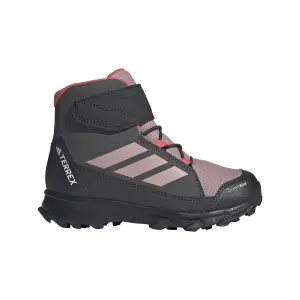
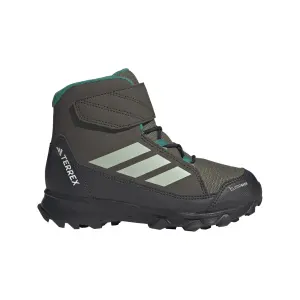
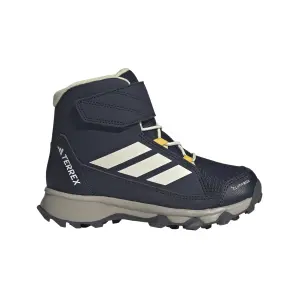


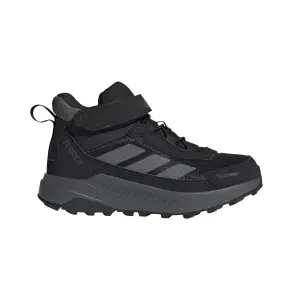
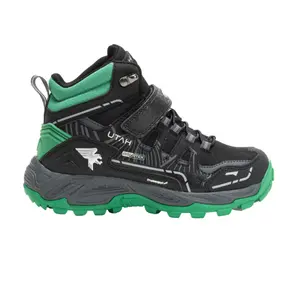

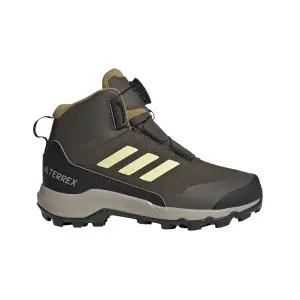
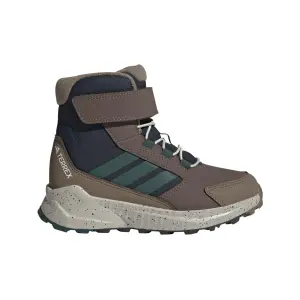
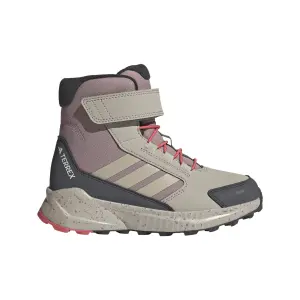

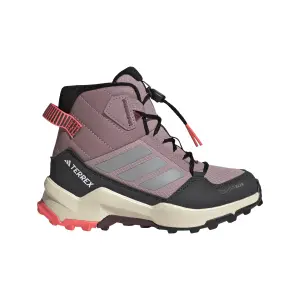
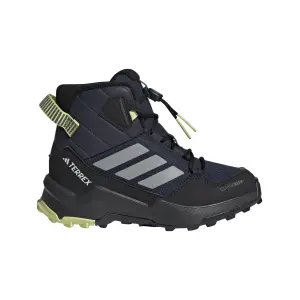


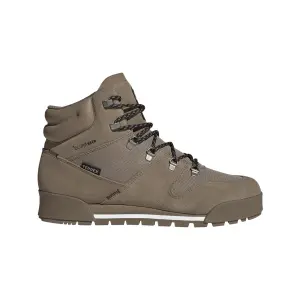
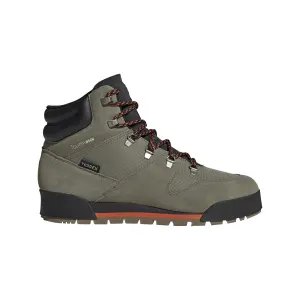
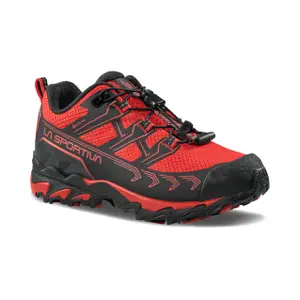
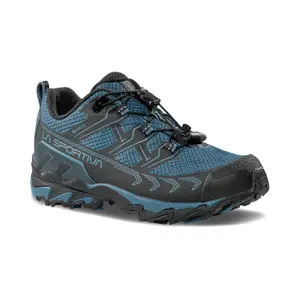


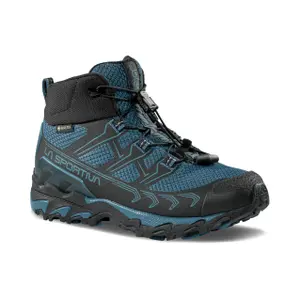
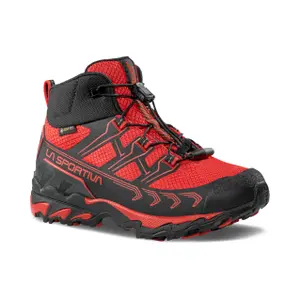
The children's hiking shoes page brings together low shoes, mid-cut models, and walking boots for both little and big hikers. Regatta, Élémenterre, Salewa, adidas Terrex, Joma, Whistler, and Zigzag offer lightweight uppers, easy-to-use closures, and waterproof membranes, suitable for forest trails as well as the first mountain paths.
A lightweight and well-fitting shoe encourages you to walk longer.
Low, mid-cut or boot: depending on the terrain
The height of the upper is chosen according to the path. The low shoe, like the adidas Terrex Anylander, leaves the ankle free and is enough for wide trails, forest walks and summer outings. The mid-cut model, like the Joma Utah, wraps around the ankle and protects it from stones and twists as soon as the terrain becomes steep or rocky. The hiking boot Regatta Vendeavour goes even higher and keeps feet dry in mud, deep puddles and light snow. The taller the upper, the more flexible the shoe should be, so that the child can walk without effort and without getting tired on the ascent.
Membrane, sole and lacing: the example of the Salewa Wildfire
The Salewa Wildfire PTX sums up the expected qualities of a kids' hiking shoe. Its waterproof Powertex membrane keeps feet dry in dew and puddles, its Pomoca sole with varied lugs grips both dirt and rock, and a rubber toe cap protects the front of the foot from impacts. Inspired by climbers' approach shoes, it laces all the way to the toes, with a quick lacing system that the child can tighten on their own. An EVA midsole lightens the entire shoe and cushions descents. On other models, Velcro or elastic cord with a lock offer the same independence for younger kids.
Shoe size and initial outings
About one centimetre of space in front of the toes leaves room for growth and descents, without slipping the foot. The fitting is done with hiking socks, and the size is checked every season. Before a long hike, a few short walks help ensure that the shoe doesn’t rub. Adult shoes and brands are gathered on the men's shoes, women's shoes, Meindl, Helly Hansen, Jack Wolfskin, on the page hiking shoes.
Making a pair last for a younger sibling
A kids' hiking shoe gets a lot of use but doesn’t last long, keeping pace with their growth. After each outing, brush off any damp mud, remove the insole and stuff the inside with newspaper to absorb moisture, away from a radiator which can damage the glues. Once dry, the textile upper receives a waterproofing spray that restores its water repellency on the outside. We also check the wear on the lugs: a smooth sole slips on roots and wet rock, even if the size still fits. Carefully stored, a good-condition pair often gets passed down to a brother, sister or younger cousin.
Good deals and new arrivals
The new arrivals showcase the latest collections, the promotions highlight discounted items, and the clearance features end-of-line products. Items shipped in 24 hours are prepared and dispatched in that timeframe.
Frequently asked questions
At what age should you buy proper hiking shoes?
As soon as the child can walk independently on paths, often around three or four years old, a lightweight hiking shoe secures their footing. Before that, soft trainers with a grippy sole are enough for short walks.
Are trainers enough for hiking with a child?
On a wide, dry path, yes. As soon as the trail becomes rocky, muddy or steep, a shoe with a grippier sole and reinforced upper prevents slips and protects the toes from stones.
Hiking sandals or closed shoes for summer?
Hiking sandals, preferably with closed toes, are suitable for easy walks and by rivers. In the mountains or on rocky terrain, closed shoes offer better ankle and toe protection.
How can you prevent blisters on a child while hiking?
Have them wear new shoes on a few short outings before the big hike, with proper walking socks that have no thick seams. At the first sign of rubbing, stop and protect the area with an appropriate plaster.
Does a waterproof shoe keep you warm in summer?
A membrane is breathable, but less so than a ventilated fabric: in hot weather, feet sweat more. For summer on dry paths, a non-lined model is enough; the membrane is more justified in spring, autumn, and in the mountains.






