
Men's Hiking Shoes


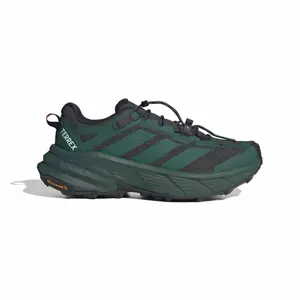


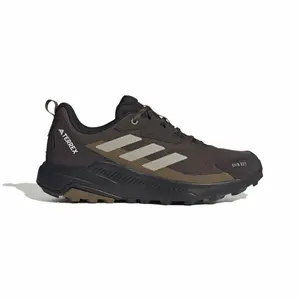


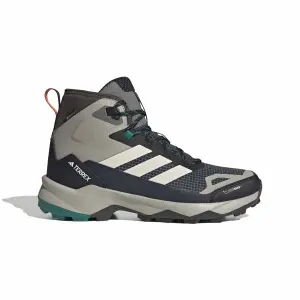


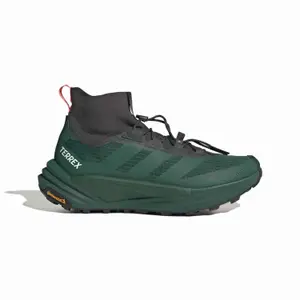
Starting at £183.44
£125.49


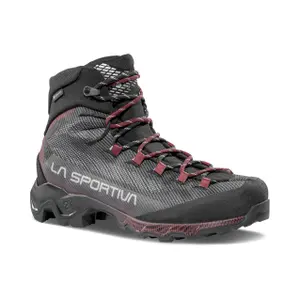


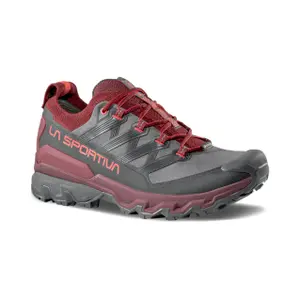
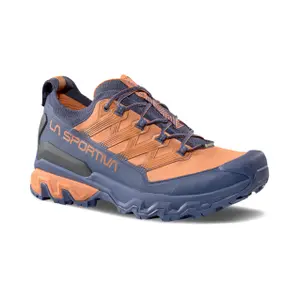
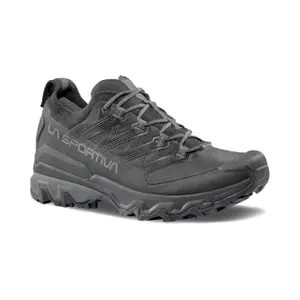
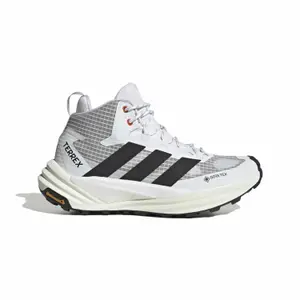
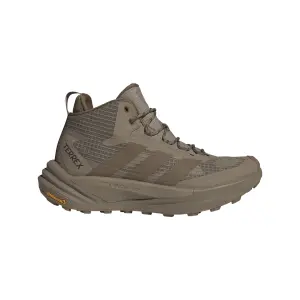
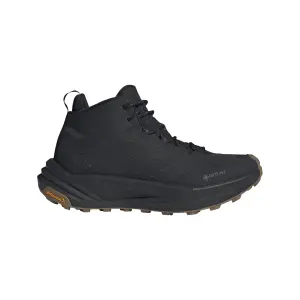
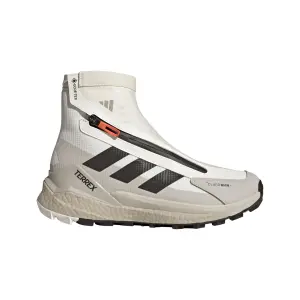


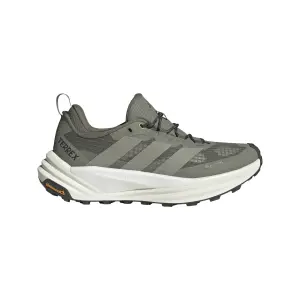
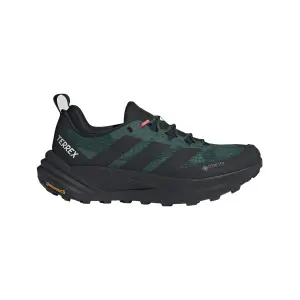
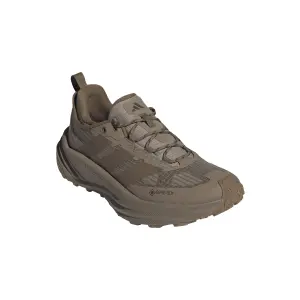
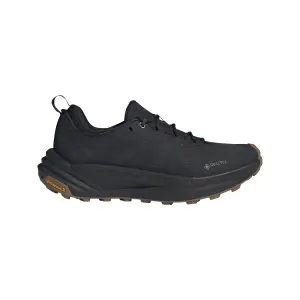
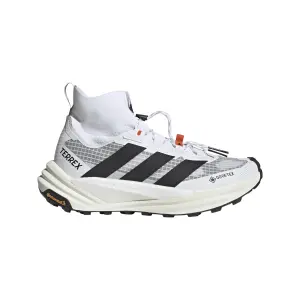
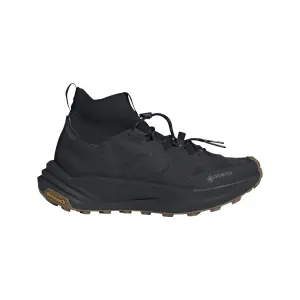
The men's hiking shoes page brings together low, mid-cut, and high models for trails and mountains: adidas Terrex, Meindl, Trezeta, Helly Hansen, Whistler, Rouchette or CMP, made of leather, nubuck or textile, with or without waterproof membranes. From lightweight shoes for summer to lined models for snow, each pair is suited for a specific terrain.
The choice of upper material, whether leather or textile, affects the weight, waterproofness, and lifespan.
Low, mid or high: the shaft height
The shaft height is chosen based on the terrain and the load. A low shoe, like the low versions of the adidas Terrex range, is similar to a trail shoe: lightweight and flexible, it is suitable for well-marked trails and day hikes without a heavy pack. The mid height, like the Terrex Free Hiker, wraps around the ankle and protects from small stones, a good compromise for more uneven paths.
The high shoe, which is stiffer, supports the ankle and stabilises the foot when the pack weighs on the shoulders, whether hiking or on rocky terrain. The stiffer the sole, the better it protects the foot's sole on rocky edges, but this comes at the cost of a less natural roll on flat surfaces and a longer adjustment time.
Full-grain leather, nubuck or textile: which shaft
Full-grain leather, the top layer and densest part of the skin, is the most resistant to water and abrasion: it is used on robust models like the Trezeta Top Evo Leather, and molds to the foot after a few breaking-in outings. Nubuck, sanded for a velvety touch, is softer but requires regular maintenance to remain water-resistant. Meindl, which has had shoemakers in Kirchanschöring, Bavaria, since 1683, remains a reference for worked leather.
Shoes made from textile and mesh, like those of the Terrex Free Hiker or the Skychaser, are lightweight, breathable, and comfortable from the first outing, but wear out faster when in contact with rocky trails. Many models combine the two materials, with leather or rubber reinforcements at the toe and heel.
Gore-Tex, H-Dry membrane and winter models
A membrane that is waterproof and breathable, placed between the shaft and the lining, keeps the foot dry during dew, puddles, and snow. The Gore-Tex, indicated by the GTX label, equips the Meindl Kansas and Caracas or the Terrex Free Hiker, and Meindl pairs it with its Air-Active system, which helps wick moisture away to the outside. Trezeta develops its own H-Dry membrane, and Whistler has its waterproof constructions, like on the Terun. In the height of summer, a shoe without a membrane, being more ventilated, dries faster after a river crossing.
For winter, the Terrex Free Hiker Climawarm adds thermal insulation, and the Terrex Winter Slip-On, which you can slip on without laces, is perfect for snowy walks and evenings at the chalet.
Fitting men's shoes: volume and large sizes
Men’s shoes are built on wider and bulkier shapes than women’s models, especially at the heel and the instep. A wider foot often feels more comfortable in the generous fitting of German and Italian brands, while a slimmer foot prefers models that fit more snugly with precise lacing. Large sizes, from 47 to 50, are not available on all models and are checked model by model.
The shoe size is measured at the end of the day, when the foot is swollen, using hiking socks: you should leave about one centimetre in front of the longest toe, to avoid the foot hitting the front during descents. A tight lacing over the instep locks the heel in place and reduces friction during long climbs.
Maintaining leather hiking shoes
After a hike, the leather should be brushed dry or rinsed with clear water, including the sole, and then dried at room temperature, stuffed with newspaper, never near a radiator or fire which could crack it. A wax or balm nourishes the full-grain leather, and a waterproofing spray restores the water resistance of nubuck and textiles. A well-maintained leather shoe lasts many years and can often be re-soled by a cobbler.
Women’s and children’s models, as well as brand pages, are gathered on the hiking shoes page.
Good deals and new arrivals
The new arrivals feature the latest collections, promotions show discounted items and clearance showcases end-of-line products. Items shipped in 24h are prepared and dispatched within 24 hours. The Black Friday, year-end holidays, winter sales, and French Days punctuate the year.
Frequently Asked Questions
How long does it take to break in hiking shoes?
Allow for a few short outings, two to three hours, before a long hike, especially for a leather model. Textile models are comfortable almost immediately, but a first test on a small loop is wise to detect any friction.
When should hiking shoes be replaced?
When the cleats on the sole are worn to the point of slipping on wet slopes, when water seeps into the shoe, or when the shaft splits. On a good leather model, a worn sole can often be replaced without changing the pair.
Can trail shoes replace hiking shoes?
For a day hike on a trail, with a light pack, a trail shoe works well due to its lightweightness. As soon as the pack gets heavier or the terrain becomes rocky, a stiffer hiking shoe better protects the foot and ankle.
How can blisters be avoided while hiking?
A properly sized shoe, broken in and laced tightly to secure the heel, eliminates most friction. Take a break as soon as a point feels hot and protect it with a second-skin bandage before a blister forms.
What sole is best for hiking on slippery terrain?
A sole made of soft rubber with deep, spaced cleats grips better on mud and wet rock and sheds dirt with every step. The adidas Terrex, for example, uses Continental rubber, known for its grip on wet ground.






