
Women’s Hiking Shoes
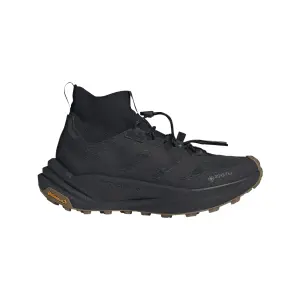
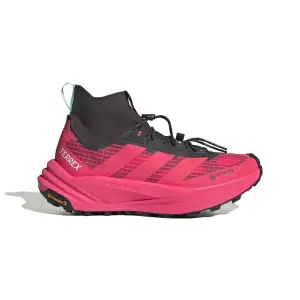


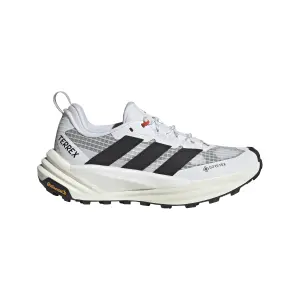
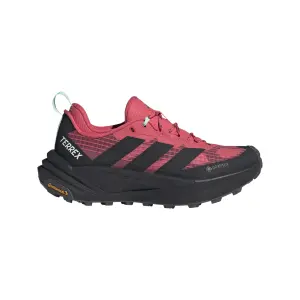
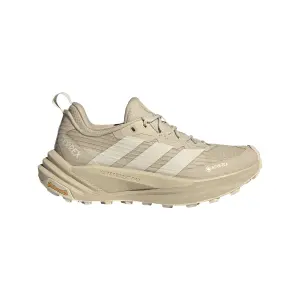
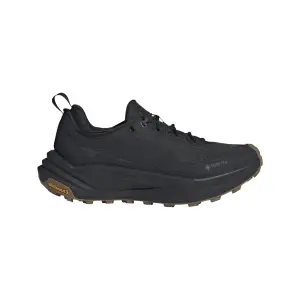


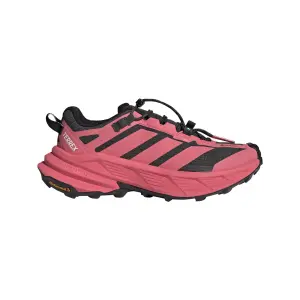
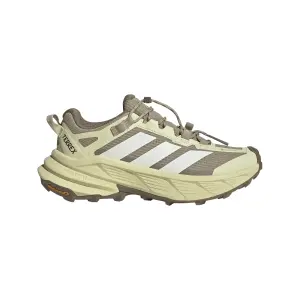


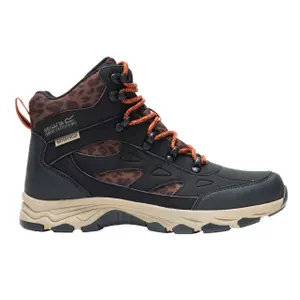
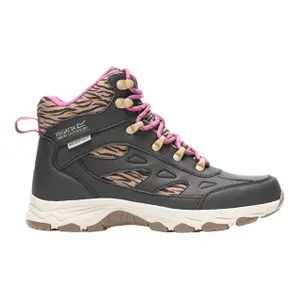


The Womens' Shoes page brings together low, mid and high hiking shoes for women, from adidas Terrex, Merrell, Garmont, Trezeta, Regatta, Whistler, CMP or Élémenterre.
A shoe designed for a woman's foot fits better and causes less fatigue.
A shape designed for the female foot
Women's hiking shoes are built on specific shapes, not just smaller sizes. The heel is narrower, which stops it from slipping up during climbs, and the volume at the instep is less, preventing the foot from sliding forward during descents. However, a woman with a wide foot can still find comfort in a unisex model, as trying them on is the best judge.
Lightweight, leather or textile
Lightweight models with a textile upper, like the adidas Terrex Free Hiker, the Anylander or the Merrell Moab Speed, are suitable for day hikes, comfortable right from the first outing. The Merrell Moab, often referred to as the acronym for Mother Of All Boots, is one of the most widely worn hiking shoes in the world. Leather models, like the Trezeta Top Evo, or more technical ones, like the Garmont Vetta, offer more support and durability for rough terrains.
Membranes and specific uses
Gore-Tex membranes, like those on the Moab Speed GTX or the Garmont Vetta Evo GTX, and H-Dry, on the Trezeta, keep your foot dry in dew and rain. For summer and rivers, the Terrex Boat Climacool lets water in and out, and for winter, the Terrex Winter Slip-On slips on for walks in the snow. Minimalist models, like the Freet, with thin and flexible soles, cater to hikers used to so-called barefoot shoes.
Size and fitting
Size should be measured at the end of the day, with hiking socks on, leaving about a centimetre in front of the toes for descents. The heel must stay secured when standing on tiptoes. Men's and children's shoes, along with the brands Meindl, Helly Hansen, Jack Wolfskin are brought together on the hiking shoes page, along with men's shoes and children's shoes.
Good deals and new arrivals
The new arrivals showcase the latest collections, the promotions highlight discounted items, and the clearance features end-of-line products. The articles shipped in 24h are prepared and sent out within 24 hours.
Frequently asked questions
Low or high-top shoes for hiking?
Low, lightweight shoes are sufficient on well-marked trails and for day hikes. High-tops provide ankle support on rocky terrains and when carrying a bag, and offer greater protection from water and snow.
Do you need waterproof shoes for hiking?
A membrane keeps your foot dry in the rain, dew, or snow, but it breathes less: in hot and dry weather, a shoe without a membrane is cooler. For a versatile pair all year round, the waterproof version is generally the safest option.
Should you break in new hiking shoes?
Yes, especially leather models: wear them a few days in the city and then on short walks before a long outing. Textile shoes require less breaking in, but a real-world trial helps prevent blisters.
What socks should you wear for hiking?
Hiking socks made from merino wool or technical fibres, with reinforcements at the heel and toes, reduce friction and moisture. Avoid cotton, as it retains sweat and promotes blisters.
What hiking shoe is best for a woman with a wide foot?
A woman with a wide foot can opt for unisex models or wide versions, which are more voluminous at the front. The key is to keep the heel well secured while allowing the toes to move freely.






