
Children's outdoor wear for hiking


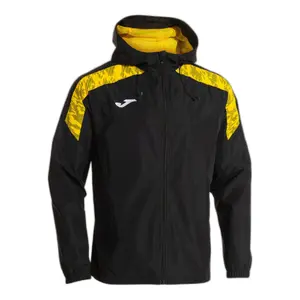
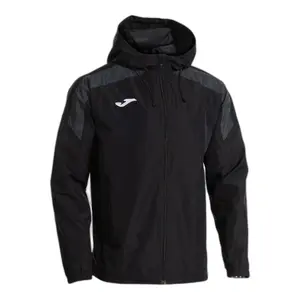
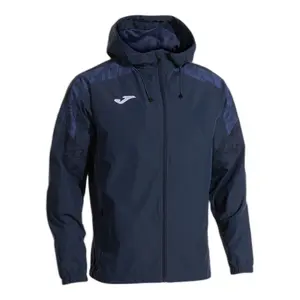
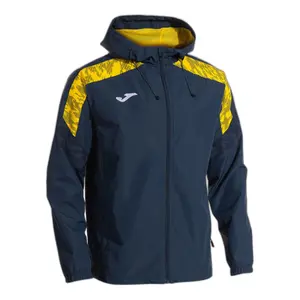
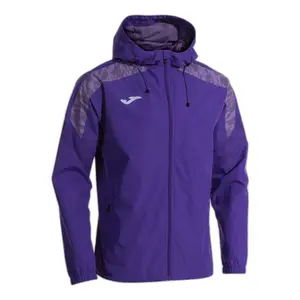
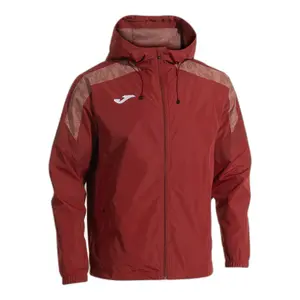
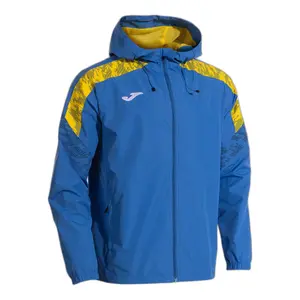
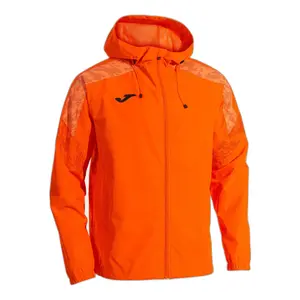
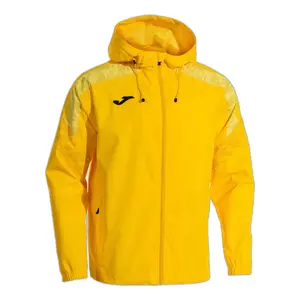
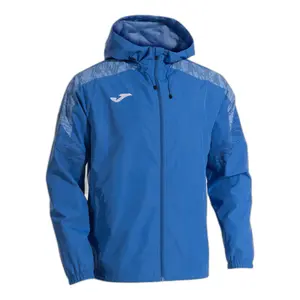
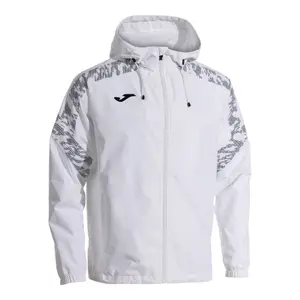
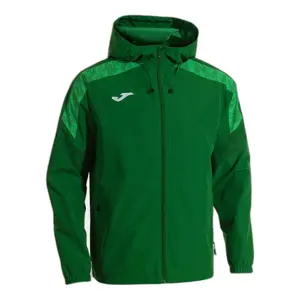
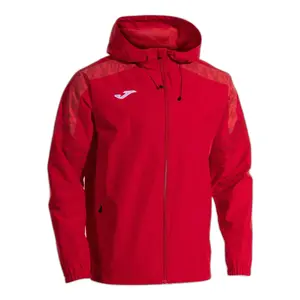
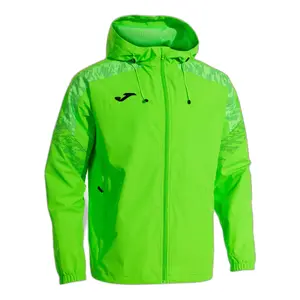
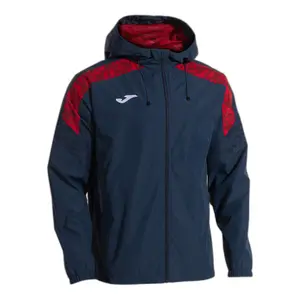
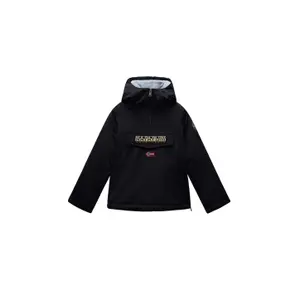

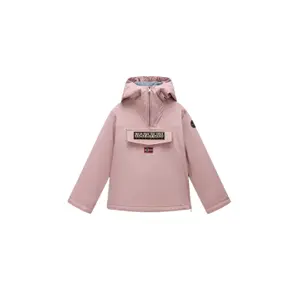
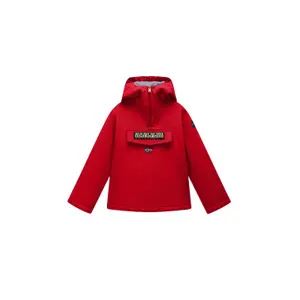

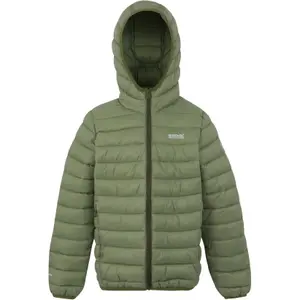
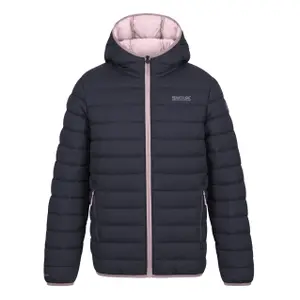
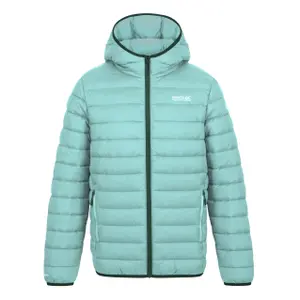
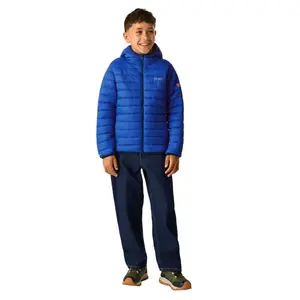
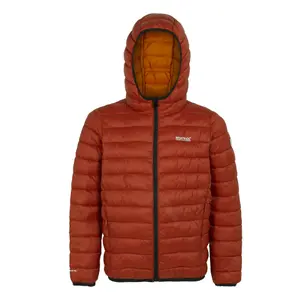

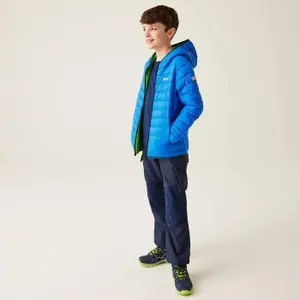
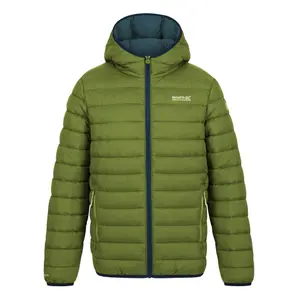


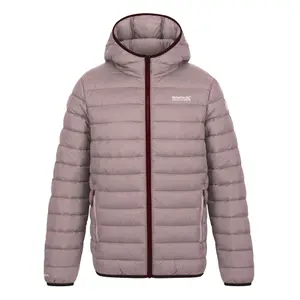


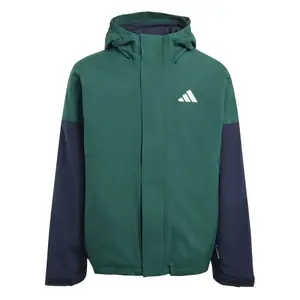
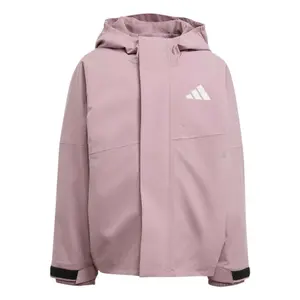


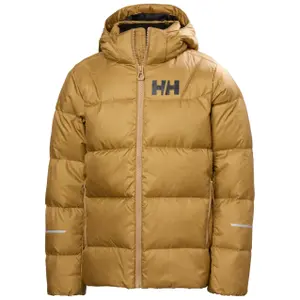


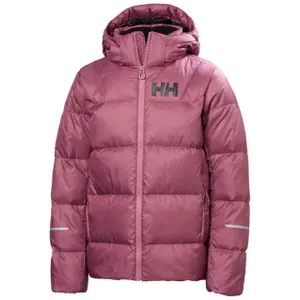


The Children's Outdoor Clothing includes waterproof jackets, windbreakers, fleeces, trousers, shorts, and overalls for kids and babies, from Regatta, Trespass, Didriksons, Peak Mountain, CMP, or Mac In A Sac.
A child doesn't react to the cold and effort like an adult: their outfit needs to be thought out accordingly.
Why children get cold faster
A child loses heat faster than an adult because their skin surface is large compared to their weight. They also suddenly switch from exertion to rest: they run, sweat, then stop abruptly to observe an insect and cool down within minutes. Young children don’t always say they are cold, and it’s often noticeable in their hands, nose, and mood.
The answer lies in one word: layers. A quick-drying technical t-shirt, a lightweight fleece, and a waterproof jacket cover most situations, provided you keep an extra layer in the bag for breaks. Cotton, which holds sweat, should be avoided against the skin as soon as the outing lasts.
Waterproof and packable jackets
A child’s rain jacket should be able to stay at the bottom of the bag until the downpour. Packable models, like the Trespass Qikpac or Mac In A Sac jackets, fold into their own pocket or a small pouch and weigh almost nothing. The matching waterproof trousers protect legs in wet grass and during play in puddles.
Sealed seams and a well-fitted hood make a difference in real rain. For little ones carried in a baby carrier or seated in a stroller, a full suit, like those from Killtec, covers the whole body in one piece and prevents drafts at the lower back. Lined parkas, like the Didriksons Bjärven, take over in winter.
Fleeces, windbreakers, and convertible trousers
A fleece is the ideal mid-layer for a child: lightweight, warm even when damp, it dries quickly and withstands repeated washes. Hooded models, like those from CMP or Peak Mountain, replace a hat during breaks. The warm windbreaker, thinner than a waterproof jacket, is sufficient in dry and windy weather and fits into a pocket.
The convertible trousers, like the Regatta Sorcer, transform into shorts by detaching the legs with a zipper: they adjust to the coolness of the morning and the warmth of the afternoon without changing outfits. The bright colours of children’s clothes are not just aesthetic: they help to spot the child from a distance on a path or in a crowd.
Sizes and growth
Children's sizes are expressed in age or height, and height is the more reliable measure, as two children of the same age can differ by size. A slightly larger jacket can be worn for two seasons, provided the sleeves remain adjustable at the wrists and the hood doesn’t fall over the eyes. Rainwear should be chosen with a bit of looseness to go over a fleece.
The full outfit for children
Children's textiles are organised by type of clothing:
- Windbreakers and jackets, waterproof, packable or lined.
- Sweatshirts and jumpers, including hooded fleeces.
- Technical t-shirts, which dry quickly.
- Trousers and leggings, including convertible and waterproof models.
- Shorts, for summer.
- Walking socks and ankle socks.
Hiking shoes are also available in children's sizes, and the luggage, accessories, equipment, and trekking complete the gear. Parents will find their outfits in the men's textile and women's textile. Everything is on the hiking page.
Good deals and new items
The new items showcase the latest collections, the promotions highlight discounted items, useful for children who grow quickly, and the clearance features end-of-line products. Items shipped within 24h are prepared and dispatched in 24 hours. Black Friday, the end-of-year holidays, winter sales, and French Days mark the year.
Frequently asked questions
How to dress a child for a hike?
Dress them in three layers: a breathable t-shirt, a fleece, and a waterproof jacket, with a hat and gloves if the air is cool. Bring a spare layer as a child sweats then cools down very quickly when stopping.
What is a jacket that packs into its pocket?
A packable jacket, like those from Mac In A Sac, folds into its own pocket or a small pouch. Lightweight, it can be slipped into the child's bag and pulled out at the first downpour.
What size to choose for a child who grows quickly?
Choose the size that corresponds to their current height, or the next size up if they are between sizes. Sleeves that are too long hinder the hands and overly loose clothing lets in the cold: avoid taking two sizes ahead.
What is the use of trousers with detachable legs?
The legs detach with a zipper to turn the trousers into shorts when it’s warm. Convenient for children, it avoids having to carry two pieces of clothing and adapts to the temperature changes during the day.
What outfit for a baby being carried on a hike?
A carried baby doesn’t move and cools down faster than the carrier: a warm, waterproof suit, a hat, and booties protect them. Regularly check the warmth of their neck and hands.






