
Hiking Socks and Ankle Socks for Kids
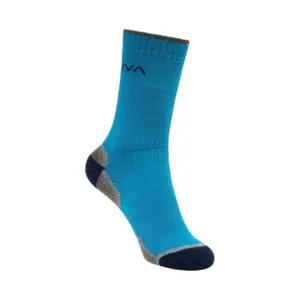
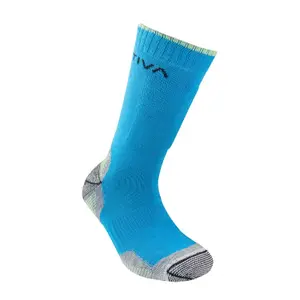
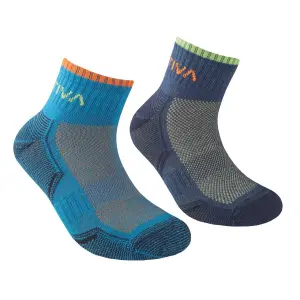
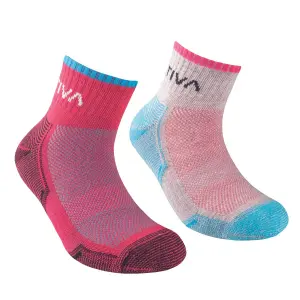
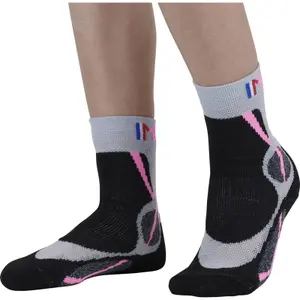
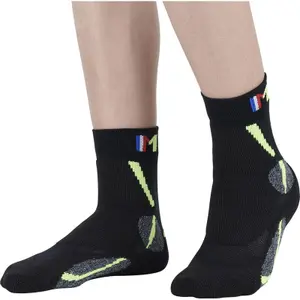
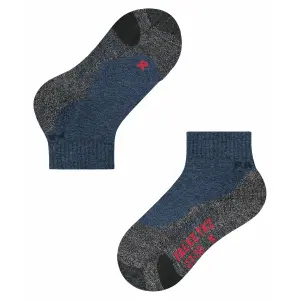
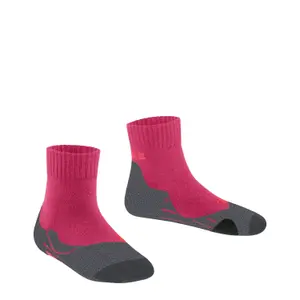
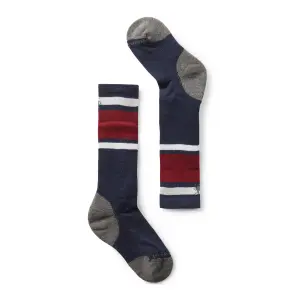
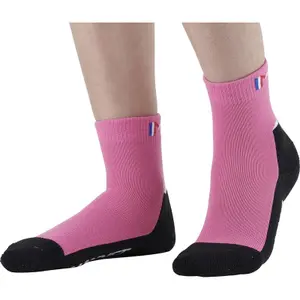
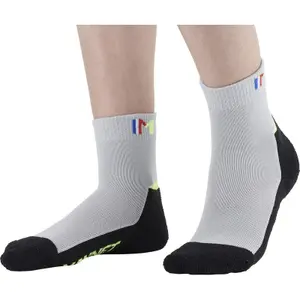
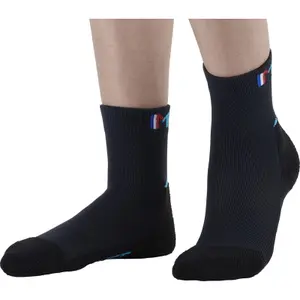
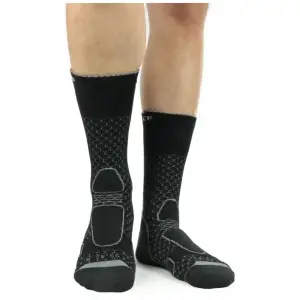
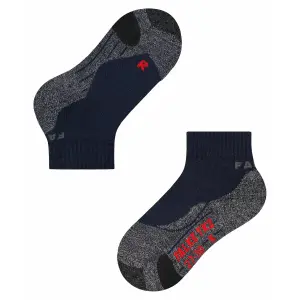
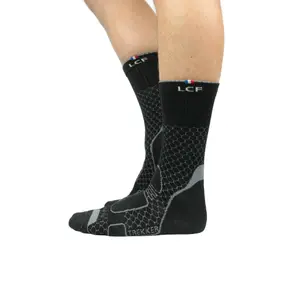
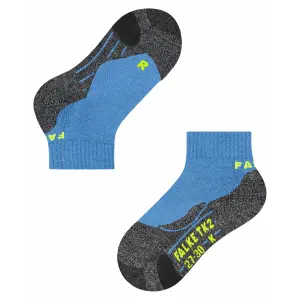
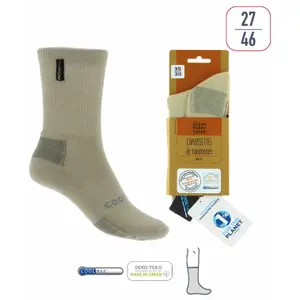
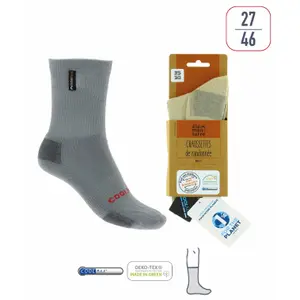
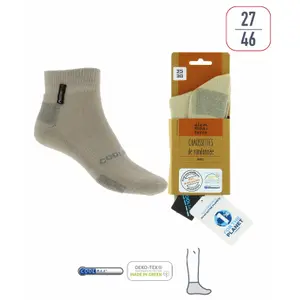
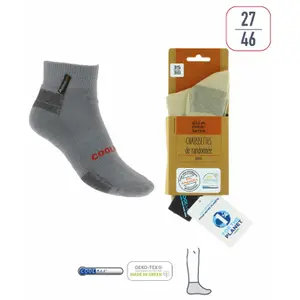
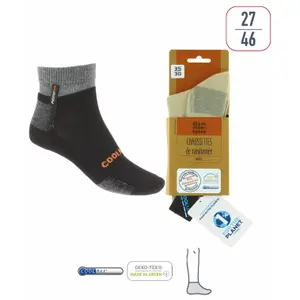
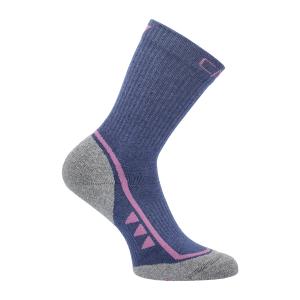
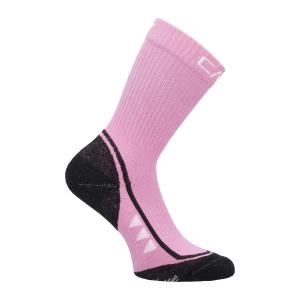
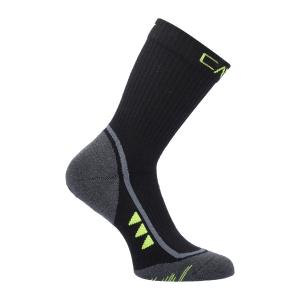

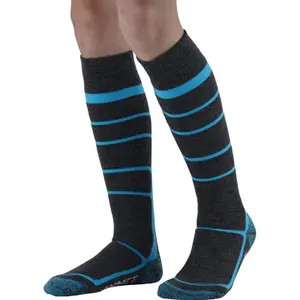
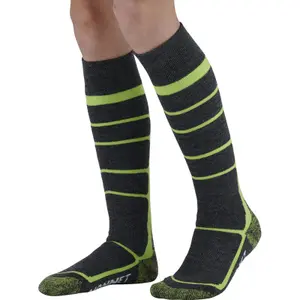
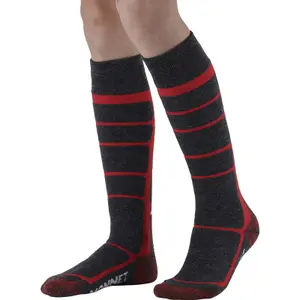
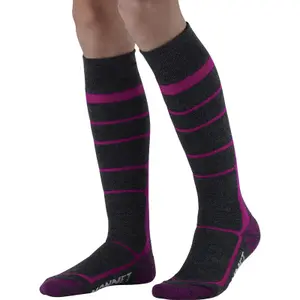
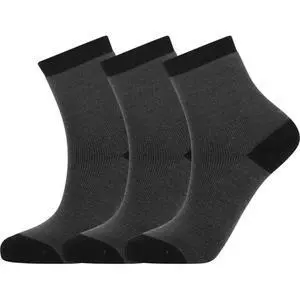
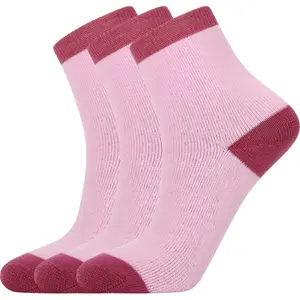
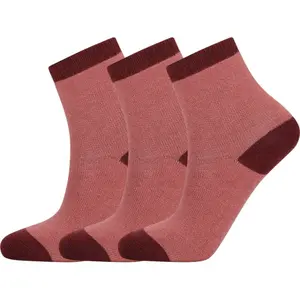
Children's hiking socks include ankle, mid-calf, and high socks made from merino wool or technical fibres, from Falke, Smartwool, Monnet, Lenz, and LCF. Reinforcements at the heel and toes, finer mesh on the top of the foot, sizes tailored to fit shoe sizes: all designed to keep feet dry and blister-free, from strolls to family treks.
Feet kept dry and blister-free, so that walks remain a pleasure.
Merino wool or synthetic fibres for children's feet
Merino wool, very fine and non-itchy, retains heat even when wet and reduces odours: it's the top choice for little walkers. Smartwool, founded in 1994 in Steamboat Springs, Colorado, was started by Peter and Patty Duke, who were tired of cotton socks that stayed soaked; their Stripe OTC offers this merino in a knee-high version with colourful patterns. Synthetic fibres, such as polyamide or polyester, added to the mix, strengthen the sock and speed up drying; a mainly synthetic sock is suitable for very hot summer outings.
Reinforcements, thickness and shaft height
A good hiking sock doesn't have the same thickness everywhere: denser looped areas at the heel and toes cushion impacts and resist friction, while a finer knit on the instep allows breathability. The Falke TK2, made by the German brand established in 1895, combines medium cushioning with a high proportion of merino for easy trails. The height corresponds to the shoe: a no-show sock with a low model, like the short TK2, mid-height or high, like the LCF Outdoor Trekker, with a high shoe, ensuring the collar doesn't rub against the ankle.
Monnet and Lenz: European manufacturers of technical socks
Monnet has been knitting its socks in Montceau-les-Mines, Burgundy, since 1936, and holds the label Living Heritage Company; the Jarrette for children and the Mid for toddlers reflect this expertise in smaller sizes. The Austrian Lenz, a specialist in technical textiles, produces the Outdoor, a walking sock for nature outings. For all, the size should match the child's exact shoe size: if too big, the sock forms a crease under the foot, which is a primary cause of blisters; if too small, it compresses the toes and wears out more quickly at the tip.
The rest of children's textiles
The outfit for young hikers is completed with t-shirts, shorts, trousers and leggings, windbreakers and jackets, sweatshirts and fleeces, on the children's textile page.
Good deals and new items
The new items showcase the latest collections, the promotions highlight discounted products, and the clearance features end-of-line items. The items shipped within 24 hours are prepared and sent out within a day.
Frequently asked questions
How many pairs should I take for a multi-day hike with a child?
Plan for one pair per day of hiking, plus one dry pair kept for the evening. With merino, two alternating pairs are often sufficient: you air out the one from the previous day at night, as wool naturally limits odours.
How can I prevent blisters on a child's feet?
Check that the sock is pulled up properly, without creases at the heel, and that the shoes are already broken in. At breaks, make sure to remove the shoes to air out the feet, and protect any redness with a second-skin plaster before it becomes a blister.
Do merino socks itch?
No, the merino fibre is much finer than traditional wool, making it soft against the skin, even for a child's sensitive skin. When mixed with polyamide, it gains durability without losing comfort.
How do you wash merino wool socks?
Turn them inside out and wash them at thirty degrees on a wool cycle, with a gentle detergent and no fabric softener, as it clogs the fibres. Dry them flat or on a drying rack, away from radiators and tumble dryers, to prevent shrinking or felting.
Do you need special socks for high hiking shoes?
Yes, a mid-height or high sock protects the ankle from the shoe's collar rubbing. Choose one that's thick enough at the heel and toes for cushioning, but not excessively so, to prevent the shoe from becoming too tight.






