
Kids' Hiking T-shirts


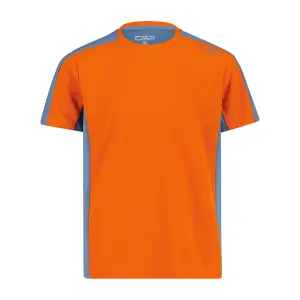
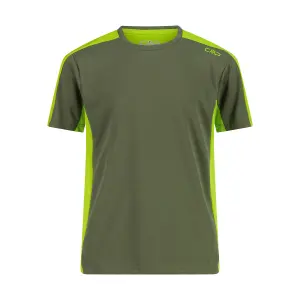
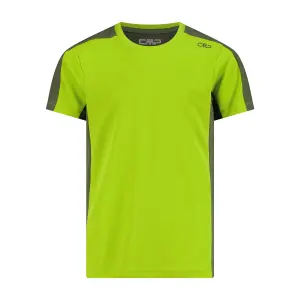
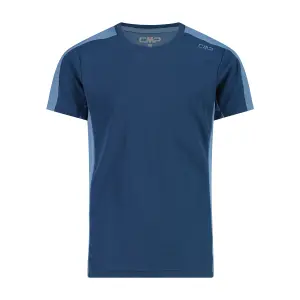


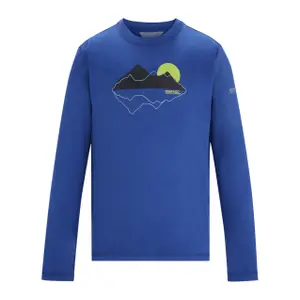


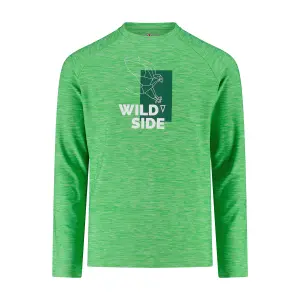
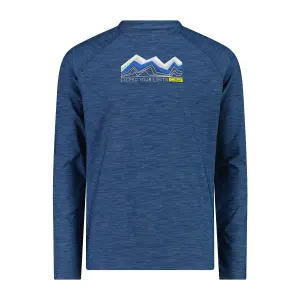
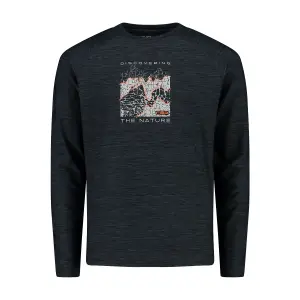
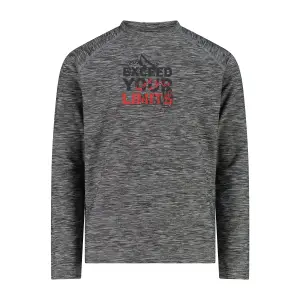


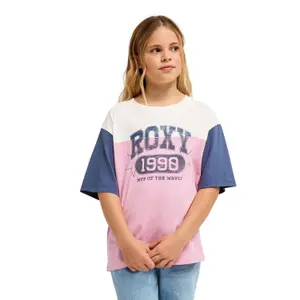
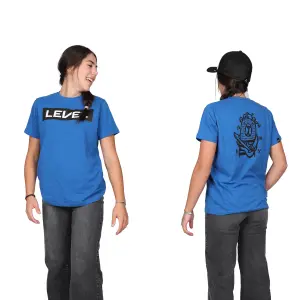
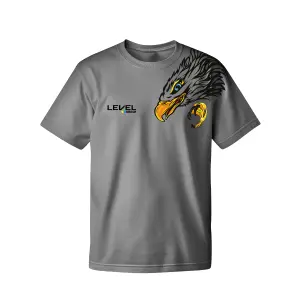
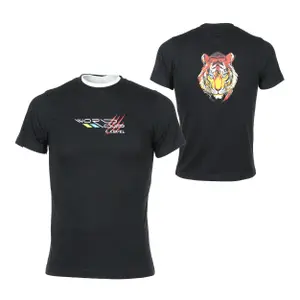
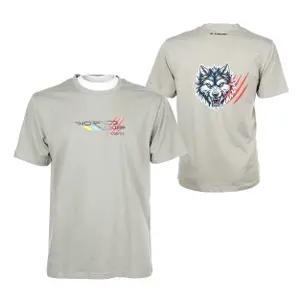
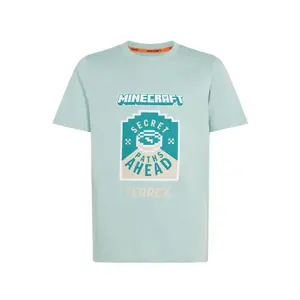


The kids' hiking T-shirts page brings together the tops that young walkers wear closest to their skin: breathable technical tops, organic cotton T-shirts, printed designs for girls, and zip-up base layers for chilly days. CMP, Regatta, and Peak Mountain offer cuts designed for kids who climb, stop, start again, and sweat a lot.
The base layer for a child who walks, runs, and sweats.
Technical polyester or organic cotton: which material for walking
For walking for several hours, the material matters more than the cut. A t-shirt made of technical polyester, like the breathable top CMP or the Regatta Bosley, moves moisture away from the fabric, where it evaporates: during breaks, the child doesn’t have a cold, damp fabric stuck to their back. Organic cotton, grown without synthetic pesticides, feels very nice on sensitive skin and is great for short walks in dry weather, but it absorbs moisture and dries slowly. The printed girls’ technical t-shirt CMP offers a compromise: the look of an everyday t-shirt, with a fibre that dries quickly after an uphill climb.
Zip-up base layer: keeping the child warm without sweating
As soon as the air cools, in spring at altitude or in autumn in the forest, the long-sleeve base layer becomes the child's base layer. The Peak Mountain Ecanevi t-shirt is worn fitted, directly against the skin, and its zip collar opens on climbs to vent heat, then closes at the top when the wind picks up. Close to the body, the fabric traps a thin layer of warm air while allowing moisture vapour to escape. This is the garment that is never removed on the trail: it stays in contact with the skin, dry and warm, from departure to the return to the car.
Sun, sizes and care
In summer, a covering t-shirt protects shoulders from the sun, which is more intense at altitude, and bright colours help spot the child on the trail. Size is chosen according to height, not too baggy or too tight for a base layer. A technical t-shirt should be washed at 30 degrees, without softener which reduces its breathability. The rest of the textile can be found in the windbreaker and jackets, sweatshirts and fleeces, trousers, shorts, socks.
Short sleeves or long sleeves depending on the trail
The sleeve length is chosen according to the terrain as much as the weather. On an open trail in the middle of summer, the short-sleeve t-shirt allows the arms to breathe and is sufficient for day outings. In woodland, tall grass or bramble areas, long sleeves prevent scratches, insect bites, and contact with stinging nettles. A simple round neck, like that of the girls' t-shirt CMP Logo, does not rub under the straps of a bag, and flat seams prevent irritation on the shoulders after a few kilometres. A lightweight long-sleeve t-shirt can also be worn on morning departures, before switching to short sleeves when the sun warms up.
Good deals and new arrivals
The new arrivals showcase the latest collections, the promotions show discounted items, and the clearance features end-of-line products. The items shipped in 24h are prepared and dispatched within 24 hours.
Frequently asked questions
Is merino suitable for a children's hiking t-shirt?
Yes, merino wool, which is fine and not irritating, regulates temperature and limits odours over several days of walking. It does, however, dry less quickly than polyester and requires a delicate wash, which makes it more suitable for multi-day hikes.
Is an anti-UV t-shirt useful for a child in the mountains?
Yes, exposure to ultraviolet rays increases with altitude and children's skin is more sensitive to it. A t-shirt with a label indicating a UPF rating offers better protection than fine cotton, which allows some UV rays through, especially when wet.
How many t-shirts should be packed for a multi-day hike?
Two technical t-shirts usually suffice: one to wear, the other kept dry in the bag for the evening and the next day. Rinsed at the stop, polyester models dry overnight, even under a tent.
How can I prevent a technical t-shirt from retaining odours?
Wash it as soon as you return, inside out and at 30 degrees, without letting sweat dry in the fibres. Soaking it in water mixed with white vinegar, from time to time, neutralises the odours embedded in the polyester.
Is a girls' t-shirt different from a boys' t-shirt?
The material and breathability are the same; only the cut changes, slightly more fitted with narrower shoulders on girls' models. For a base layer, the essential thing is that the t-shirt fits snugly without being tight.






