
Sweatshirts and Jumpers for Kids

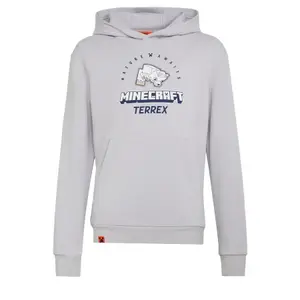


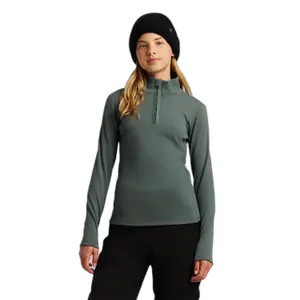
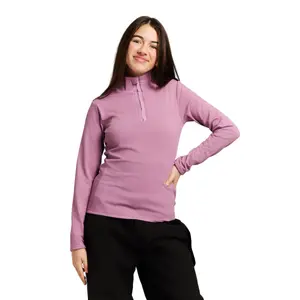
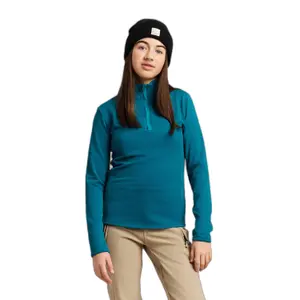
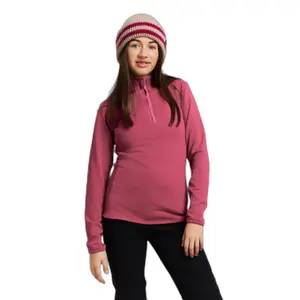
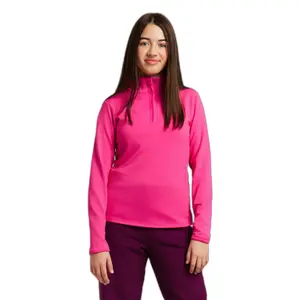


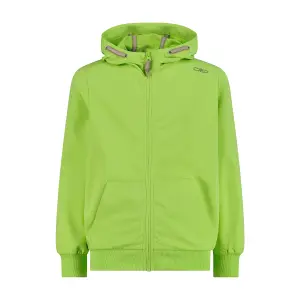
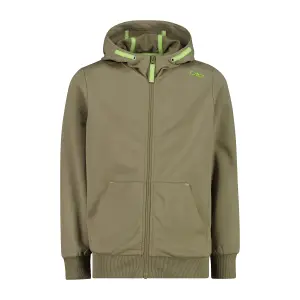
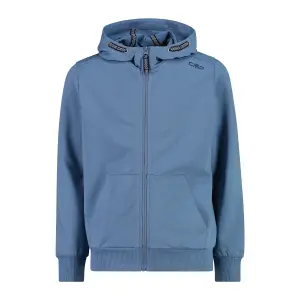
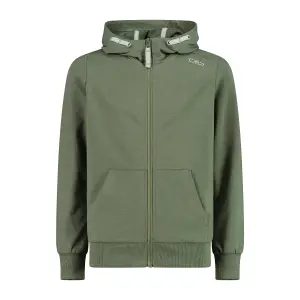

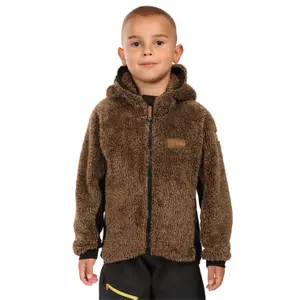


The Children's Sweatshirts and Jumpers hiking page brings together sweatshirts, fleeces, and base layers for family outings, school trips, and weekends in the fresh air, from CMP, Hi-Tec, or Zigzag. These warm and easy-to-remove pieces keep the child at a comfortable temperature while they alternate between walking, playing, and taking breaks at the summit.
The mid-layer is the piece that keeps the child warm during breaks when the body cools down after exertion.
Fleece, technical sweatshirt or cotton: the right material
The fleece, knitted in polyester and then brushed, traps warm air while remaining lightweight; it retains much of its insulating power even when wet and dries in a few hours. The technical sweatshirt, like those from CMP, an Italian brand specializing in outdoor gear, often combines a smooth outer side with a slightly brushed inner side, using synthetic fibers that wick away sweat. Cotton, very soft, absorbs sweat and keeps it against the skin: nice in the lodge at night, it cools the child during breaks on a long climb.
An easy-to-remove and reapply mid-layer
While hiking, the sweatshirt or fleece serves as a mid-layer, between the base layer worn against the skin and the rain protection. A child heats up quickly during ascents and cools down just as fast when resting: they need a piece that they can take off by themselves. A full-length zipper or a half-zip at the collar allows for ventilation without needing to undress. A hood, like those on Hi-Tec Barit or Zigzag Manhattan sweatshirts, protects the neck from the wind at the summit, provided it has no cords for those under 7 years old.
Jumpers and under-jumpers for cold days
In cold weather, the under-jumper with a turtleneck or high collar, thin and fitted, is worn close to the body and protects the neck from the wind. The jumper in thick fleece or wool knit takes over for winter, when there is snow or during long breaks. For a child, a fleece of medium weight, around 200 grams per square metre, offers the best balance between warmth and freedom of movement; thicker models, starting from 300 grams, are saved for the coldest days. Elasticated cuffs help retain warmth and prevent the sleeves from sliding over the hands.
Size, colour and care for a children's fleece
The size should be chosen based on the child's height, allowing enough room to layer a thin layer underneath and a protective layer over without pulling at the shoulders. Bright colours, like orange, red, yellow or bright blue, make it easy to spot a child from a distance in undergrowth or among a group. A fleece can be washed at 30 degrees, inside out, with the zipper up, without fabric softener as it binds the fibers together and reduces their fluffiness. It dries in the open air in a few hours, away from a radiator which can damage the synthetic fibers.
Good deals and new arrivals
The new arrivals feature the latest collections, the special offers show discounted items and the clearance highlights end-of-line stock. The items shipped within 24 hours are prepared and sent out in 24 hours.
Frequently asked questions
Is a fleece enough for an autumn hike?
In dry weather and without wind, a fleece is often sufficient over a technical t-shirt. As soon as the wind picks up or rain threatens, it allows air and water to pass through: you then need waterproof protection over it.
How can you tell if a child is too hot or too cold while walking?
Touch their neck rather than their hands, which are often cool even when the child is warm. A sweaty neck indicates it's time to remove the sweatshirt, while a cold neck means it should be put back on, especially during breaks.
Why does a fleece dry faster than a cotton sweatshirt?
The polyester in the fleece absorbs very little water: moisture remains between the fibers and evaporates quickly. Cotton, on the other hand, swells by soaking up water and can stay damp for hours.
How can you prevent pilling on a fleece?
Frequent friction against straps or sleeves can eventually cause pilling on entry-level fleeces. Washing inside out and at low temperature, without a tumble dryer, significantly slows this process.
Can a hiking sweatshirt be worn daily?
Yes, a hiking sweatshirt or fleece is great for school or the park, with the advantage of drying quickly and withstanding washes. Just make sure there's enough room for it to accommodate the child's growth.






