
Children's hiking shorts
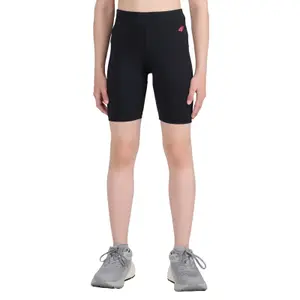


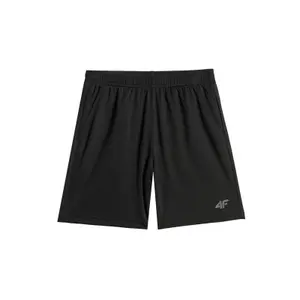


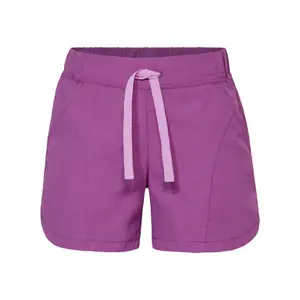


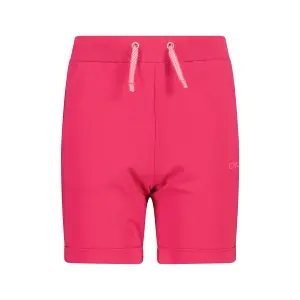
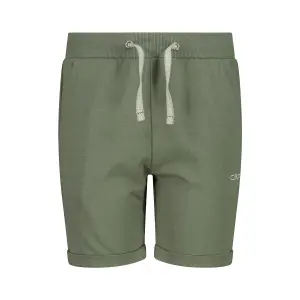
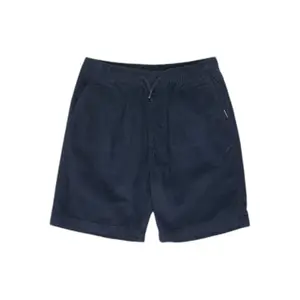


The children's hiking shorts feature lightweight technical designs that dry quickly and resist abrasion, along with shorts for running and climbing without discomfort, from Regatta, CMP, Dare 2B, and 4F. With adjustable sizing, secured pockets, and stretchy fabrics, they support young walkers on summer trails, from family outings to early days in the mountains.
Light and durable for summer family outings, whether by the lakes or on the mid-mountain trails.
Synthetic fabric or cotton: the fabric of a walking short
A children's hiking short stands out primarily due to its synthetic fabric, made of nylon or polyester, which is lighter than a cotton short and dries much faster after a downpour or slipping a foot in the stream. Stretchy fabrics allow the knee to lift for stepping over a rock or climbing a high step, while a stiff fabric pulls at the crotch. The Regatta Sorcer and the CMP short rely on this type of technical fabric, and the Dare 2B Reprise, which is very lightweight, is barely noticeable on hot days. A tight-weave fabric also stands up better to abrasion against rocks when the child sits or slips.
Adjustable size, zipped pockets and shorts
The elastic waistband or one with adjustment tabs keeps the short in place without additional accessories and fits the child from one summer to the next. The zipped pockets protect little treasures picked up on the way, such as stones, pine cones, or tissues, and won’t empty during a slip. For the more active, the tight-fitting shorts, like those from 4F for girls, hug the skin without chafing: they allow running, jumping, and climbing freely, can be worn alone in warm weather, and dry within minutes in the sun. Flat seams prevent irritation during long days.
Sun, ticks and washing: how to use a short in the mountains
In shorts, legs remain exposed: at altitude, the sun burns more quickly, and a high-SPF cream should also be applied to the thighs and calves. Ticks, which are active in tall grass from spring to autumn, require staying in the middle of the path and inspecting the child's legs upon return, behind the knees and in the creases. For maintenance, a technical short can be machine washed at thirty degrees, without fabric softener, which clogs the fibres and slows drying, and then air-dried rather than using a tumble dryer, which can damage the elastane with heat.
More children's textiles
The outfit of young hikers is completed with t-shirts, trousers and leggings, windbreakers and jackets, sweatshirts and fleeces, socks, on the children's textile page.
Good deals and new arrivals
The new arrivals showcase the latest collections, the promotions highlight discounted items, and the clearance features end-of-line stock. Items shipped within 24h are prepared and dispatched within 24 hours.
Frequently asked questions
What size hiking short should I choose for a child?
Choose the size that matches their current height: an adjustable waistband compensates for a slightly larger size without the short slipping down. A model that is too loose will chafe the inner thighs during long walks, while a model that is too tight can restrict knee movement.
Is a water-repellent short useful for a child?
A water-repellent treatment causes raindrops to bead up and limits mud or grass stains. It doesn't make the short waterproof, but keeps it dry for longer; it should be preserved by washing at low temperatures and without fabric softener.
How do I remove a grass stain from a technical short?
Rub the stain with cold water and a bit of Marseille soap as soon as you get back, before it dries, and then wash the short at thirty degrees. Avoid hot water and bleach, which can set the stain and damage synthetic fibres.
Is a tight-fitting short enough for a child's hike?
In warm weather and on open paths, yes: it prevents chafing and lets the child move freely. However, its fine material offers little protection against brambles and nettles; on a path overgrown with vegetation, a thicker fabric short will perform better.
How can I tell if a short dries quickly?
The label provides the answer: a short made of nylon or polyester, without thick lining, dries much faster than a cotton model. Cotton and high-cotton blends hold water for a long time and become heavy when wet.






