
Travel bags for hikers


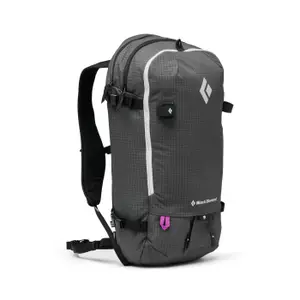
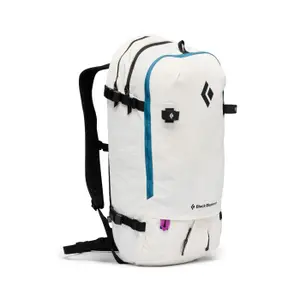
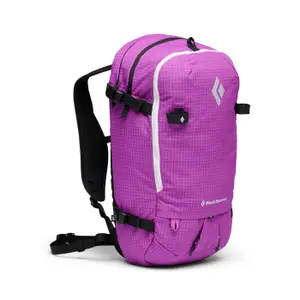
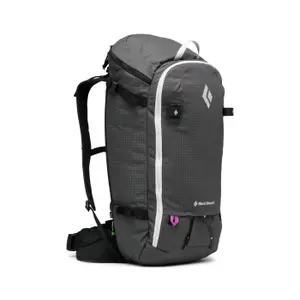
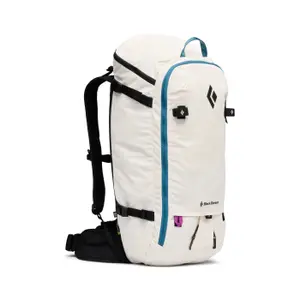
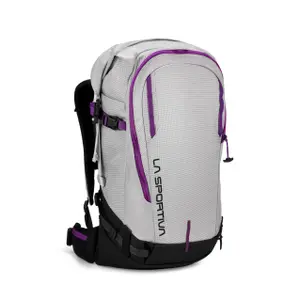
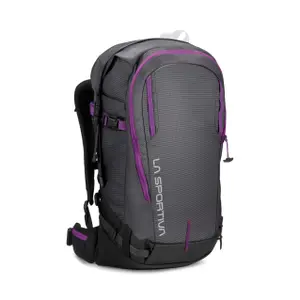


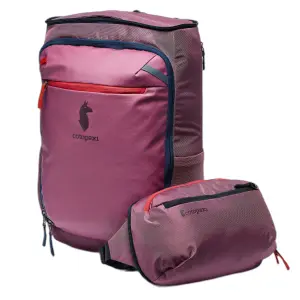


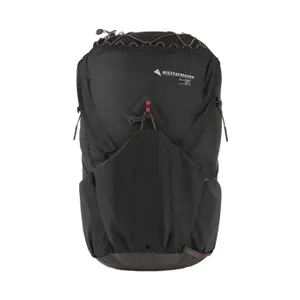


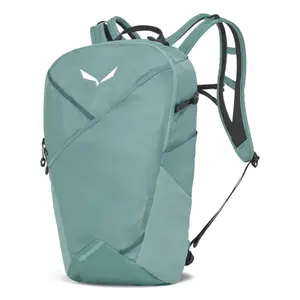
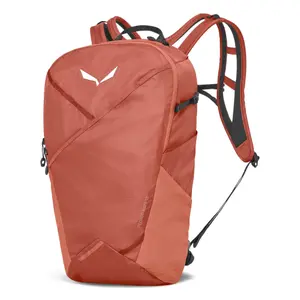
The Travel Bags page brings together bags designed for hiking or trekking: cabin-sized bags that can be carried on the back, large volume holdalls, and transport bags, from Patagonia, Abbey Camp, or Trespass. Everything you need to get to your starting point by train, plane, or car, and then to organise your belongings once you're there.
A bag for the journey, a bag for outings once you arrive.
Travelling in cabin with a backpack
To travel without checked baggage, the backpack must comply with the cabin dimensions of the airline, which vary from one carrier to another and should be checked before departure. The Patagonia Black Hole MLC, for Maximum Legal Carry-on, is designed around these dimensions: forty-five litres, a wide opening that provides access to all contents, and straps that tuck away on the back for carrying on the shoulder.
Interior compartments separate clothes, toiletries, and dirty laundry, and a quick pocket keeps identification papers and tickets close at hand during checks.
Duffel bag or transport bag: the large volume
The duffel bag, like the Miami by Abbey Camp, offers a large volume in one piece, with no frame: it fits into a car boot, under a coach seat or in a hut locker, and folds flat once empty. Models with straps can be worn on the back for short distances, between the station and the lodge. For a guided trek, it is often the bag entrusted to carry luggage from one stop to another, while the hiker walks light. A coated or tarpaulin fabric withstands handling and rain better than thin nylon.
Preparing your travel bag for a trek
For a trek, the travel bag holds everything that isn't needed while walking. Heavy items should be placed at the bottom and centre, and rolled clothes rather than folded take up less space and crease less. Different coloured packing bags help find each category of belongings without emptying everything at each stop. On a plane, a backpack travels in a transport cover, its straps able to hook onto luggage carts.
A label with name and phone number, both inside and outside, and a small lock for the zippers complete the preparation.
The rest of the luggage
Luggage is extended with backpacks, hydration packs, waist bags, on the luggage page.
Good deals and news
The new products showcase the latest collections, the promotions highlight discounted items, and the clearance features end-of-line products. Items shipped in 24 hours are prepared and dispatched within 24 hours.
Frequently asked questions
What volume of travel bag should be planned for a trek?
For a week-long trek with luggage transport, a bag of sixty to eighty litres is usually enough. The bag carried during walking is often limited to about twenty or thirty litres.
Soft bag or hard luggage for a hiking trip?
The soft bag squashes into the compartments and luggage holds of minibuses and is easier to carry where wheeled bags would struggle, like on a path or cobblestones. Hard luggage protects fragile items better but is heavier when empty.
How to protect a travel bag from rain?
A coated or tarpaulin fabric repels water, but zippers remain a weak point. Waterproof bags inside keep clothes and papers dry during a transfer in the rain.
Can a travel bag be used for day walks?
For excursions, a bag with a waist belt and ventilated back is more comfortable. Many travellers tuck a small compressible hiking bag into their main luggage for local outings.
How to choose a travel bag for women?
For a bag worn on the back, a women's version offers a shorter back and narrower straps, better suited to the bust. For a duffel bag carried by hand, the fit is less important than the empty weight and the strength of the handles.






