
The camper's hiking gear













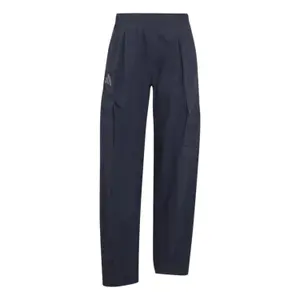


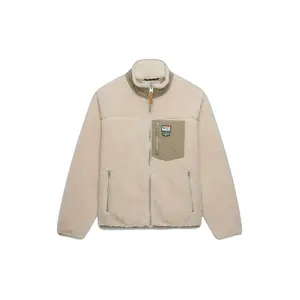
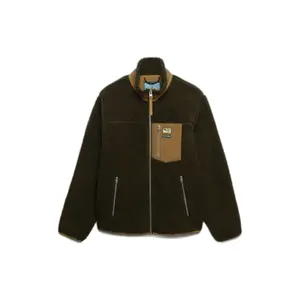
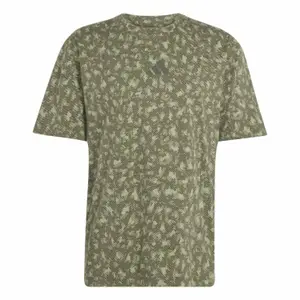

The Camping Gear page for trekking gathers equipment for sleeping outdoors and going on the move: tents, mattresses, sleeping bags, and baby carriers, along with the clothes and bags that accompany them.
Getting a good night's sleep means you can walk well the next day.
The three heavy items
On the move, the tent, mattress, and the sleeping bag make up the bulk of the weight of the bag, and it's where you can save the most grams. The tent is chosen based on the number of people and the terrain: a freestanding tent can be pitched even on hard ground where pegs hold poorly, while a lighter tunnel tent needs to be guyed out. A double wall limits condensation, which wets the sleeping bag in the early morning.
Mattress and R-value
The mattress primarily insulates from the cold of the ground, which cools down faster than the air. Its insulating power is measured by the R-value, calculated according to the American standard ASTM F3340 since 2020: the higher it is, the better the mattress insulates. A mattress around R 2 is sufficient in summer, while winter requires more. Foam mattresses are indestructible, inflatable mattresses are more comfortable and compact, but prone to punctures.
Sleeping bag and temperatures
The sleeping bag displays temperatures according to the ISO 23537 standard: the comfort temperature, at which a person sleeps without feeling cold, and the limit temperature, at which they sleep curled up. It is the comfort temperature that should be compared to the coldest night expected. Down is lighter and compressible, while synthetic materials retain heat better when damp. A sleeping bag liner protects the bag from sweat and adds a few degrees.
Going out with a child
Equipment is organised by type:
- Trekking tent, for sleeping sheltered.
- Mattress, to insulate from the ground.
- Sleeping bag, for cool nights.
- Baby carrier for hiking, to take the little ones along.
A hiking baby carrier with a frame meets the EN 13209-1 standard; it adjusts to the wearer's size and accommodates the child as soon as they can sit up unassisted. The full range can be found on the trekking page.
Good deals and new products
The new arrivals showcase the latest collections, the sales feature discounted items, and the clearance offers end-of-range products. The items shipped within 24 hours are prepared and dispatched in 24 hours.
Frequently asked questions
Freestanding tent or tunnel for camping?
The freestanding tent can be pitched even on a hard ground where pegs hold poorly, and it can be moved once set up. The lighter tunnel tent must be guyed and requires a ground suitable for staking pegs.
Which mattress to choose for spring camping?
The R-value measures the mattress's resistance to the cold from the ground: the higher it is, the better it insulates. For spring and autumn in the mountains, aim for a value around three; above four, it is suitable for winter.
What’s the difference between comfort and limit temperature?
The comfort temperature is the one at which a chilly person sleeps well; the limit temperature is where a curled-up person can withstand the night without shivering. Choose your bag based on the comfort temperature.
How to lighten your bag for a trek?
The most significant weight savings come from the tent, mattress, and sleeping bag, which are the heaviest. Then share communal gear, stove, and tent among the group's hikers.
Can you hike with a baby in a carrier?
Yes, a framed hiking baby carrier distributes weight on the hips and positions the child up high. It is used when the baby can sit well on their own, and the duration of outings is adapted to their pace.






