
Sac sleeping bag: how to choose the right one


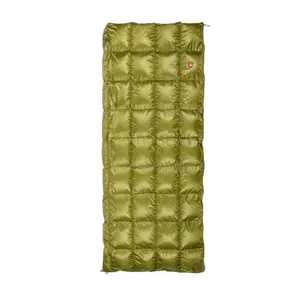
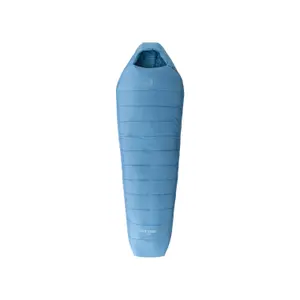


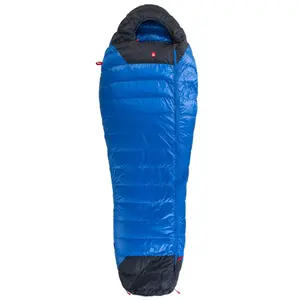
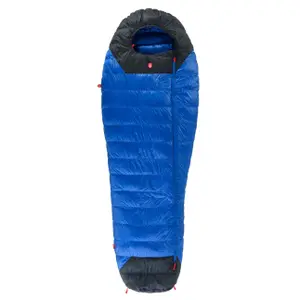
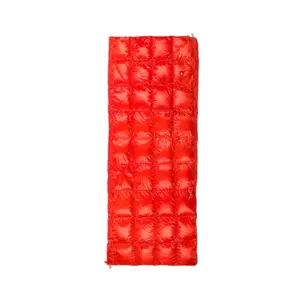
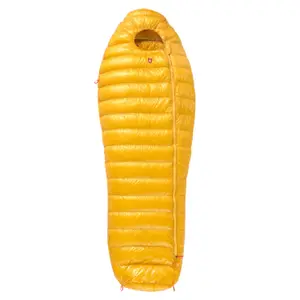
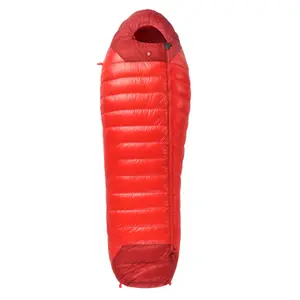
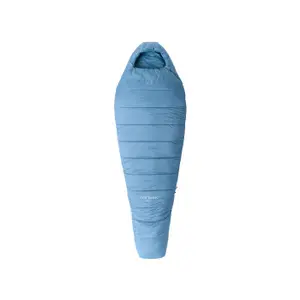
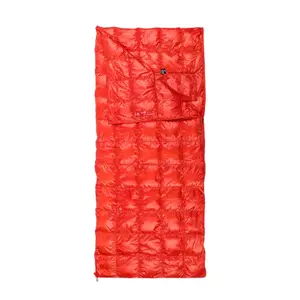


The Sleeping bag page brings together down and synthetic sleeping bags, mummy and rectangular shapes, for adults and children, from Nordisk, Rab, Haglöfs, Pajak, Regatta, Élémenterre, Husky or Hannah.
A sleeping bag is chosen based on its temperature rating, shape, and filling.
The indicated temperature
Sleeping bags show their temperatures according to the ISO 23537 standard, which distinguishes between comfort temperature, limit temperature, and extreme temperature, which should never be aimed for. Brands often name their models after a temperature, like the Nordisk range, from the Bjarni +10° to the Walløe -10°: you need to check what value in the standard this number corresponds to. The right bag is the one whose comfort temperature covers the coldest nights expected.
Mummy, rectangular or wide
The mummy shape hugs the body and tapers at the feet, with a hood: less air to heat, so more warmth for the weight, it’s the trekking shape. The rectangular shape, which is more spacious, allows for leg movement and can open up as a blanket for summer camping. The wide versions, like the Nordisk Wide, are suitable for restless sleepers. Left zip sleeping bags, like the Rab Outpost or the Pajak Core, can often be zipped together with a right zip bag for sleeping two.
Down or synthetic
Down, like in the Pajak Core, offers the best balance of warmth and weight and compresses into a small size, but loses its insulating power when wet. The synthetic, like in the Regatta Montegra, is heavier at the same warmth but retains warmth when damp and dries quickly. A sleeping bag liner adds a few degrees and protects the inside from sweat.
Children, storage and mattresses
A child sleeps in a bag that fits them, like the Regatta Tilva: in an adult bag that’s too big, they have to warm up too much air and feel cold. At home, a sleeping bag should be stored unrolled or in a large bag, never compressed, so the filling keeps its loft. Without an insulating mattress, even the best bag lets cold through from the ground: mattresses, tents, camping gear and child carriers complete the trekking page.
Good deals and new arrivals
The new arrivals showcase the latest collections, sales feature discounted items, and clearance offers end-of-line products. Items shipped in 24h are prepared and sent within 24 hours.
Frequently asked questions
What sleeping bag for camping in the mountains?
Choose a bag whose comfort temperature covers the coldest nights expected, often close to freezing at altitude, even in summer. A lightweight down mummy bag offers the best balance of warmth, weight, and compactness.
How to wash a down sleeping bag?
In a large drum washing machine, at 30 degrees, with special down detergent, followed by thorough rinsing. Dry it in a tumble dryer on a low setting with two or three tennis balls, which help restore the loft of the down.
Can you improve the warmth of a sleeping bag?
Yes, a silk or fleece sleeping bag liner adds a few degrees and protects the bag from dirt. A well-insulated mattress is just as important: without ground insulation, even a very warm bag will let the cold come through.
What sleeping bag for camping in summer?
In summer, a lightweight rectangular bag, with a comfort temperature around ten to fifteen degrees, is often sufficient. It can fully open and serve as a blanket during warm nights.
Sleeping bag or down: what’s the difference?
In everyday language, it’s the same thing: a sleeping bag is often called down, even if it’s filled with synthetic material. Strictly speaking, down refers to insulation made of fine feathers, which is lighter and more compressible than synthetic fibres.






